

KUALA LUMPUR (Oct 6): Malaysia could simplify the income tax structure for smaller businesses by consolidating its current multiple rate structure into a consolidated single corporate tax rate, the World Bank said.
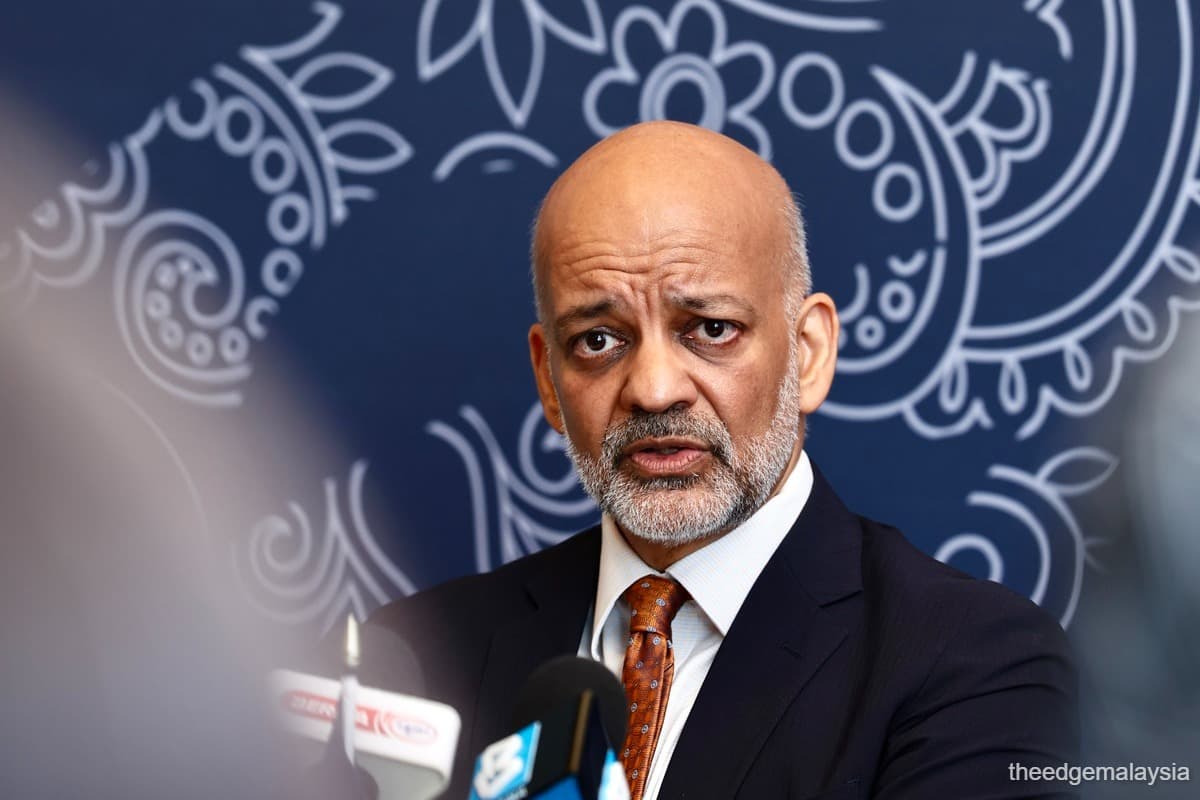
The government could also consider phasing out the preferential treatment once firms grow beyond the threshold of small- and medium-sized enterprises (SMEs), Apurva Sanghi, lead economist for Malaysia at the World Bank, said during a briefing on Tuesday.
“Changing the incentive structure that otherwise incentivises firms from graduating from SME status can help,” he said, suggesting that the government make the tax system more supportive for investment.
In Malaysia, an SME in manufacturing is defined as having sales turnover not exceeding RM50 million or no more than 200 full-time employees. For services and other sectors, it's sales turnover must be not exceeding RM20 million or no more than 75 employees.
The World Bank has provided its input to the Ministry of Finance on the drafting of the budget, like many other organisations.
The multilateral institution would like to see tax measures in the upcoming Budget 2027 to address Malaysia’s low tax revenue as a share of the size of its economy, Apurva said. While 2027 is an election year, there are still ways to increase tax revenue without increasing tax rates, he noted.
Apurva suggested lowering the current high thresholds at which higher marginal personal income tax applies, or placing clearer limits on personal income tax relief and deductions, particularly at the upper end of the income distribution.
“Without going into details, I think it's a pretty reasonably well-known fact” that the T20, or the top 20% of the income earners, “capture the bulk of benefits of reliefs that are given by the government,” he added.