

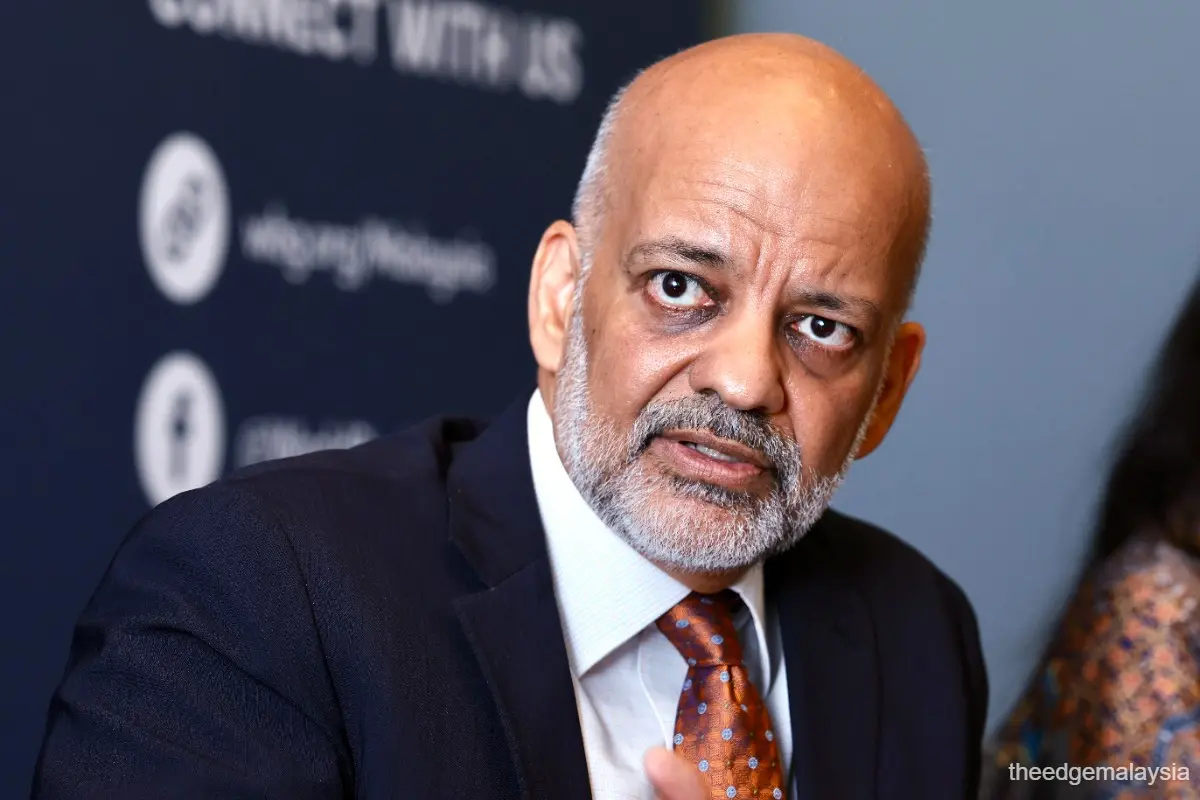
KUALA LUMPUR (Oct 6): The World Bank has agreed that certain elements of the goods and services tax (GST) should be implemented into Malaysia’s sales and services tax (SST) to address its distortionary features.
World Bank lead economist for Malaysia Apurva Sanghi said the government should address the SST’s nature as a cascading tax and, in turn, an embedded tax.
The SST is a single-stage tax with no input credit mechanism. In other words, tax can become embedded in prices as goods and services move through the supply chain.
“We believe what is required is neutral tax reform that relieves cascading and embedded effects on businesses, for example through input tax credits, while also broadening the tax base to bolster revenues," he said during a briefing on the October 2026 Malaysia Economic Monitor report.
There has been much industry and policy discussion on what an integration of GST elements into the SST, or a formulation of a better SST, could look like.
Discourse began after Prime Minister Datuk Seri Anwar Ibrahim announced the government is studying improvements to the existing SST, including whether it can incorporate elements of the GST, following a Budget 2027 engagement session in August.
Malaysia implemented the GST in 2015 at a 6% rate under the administration of Datuk Seri Najib Razak. The implementation led to soaring inflation and widespread complaints of slow tax refunds that created a cash crunch for small- to medium-sized businesses.
The tax was suspended on June 1, 2018, after Pakatan Harapan took over the federal government, and was subsequently abolished and replaced with the current SST on Sept 1, 2018.
Aiming to fuse efficiency with empathy may get you neither
While Apurva agreed the SST can be improved if the cascading tax aspect is addressed, he did note the World Bank has held the view that the GST is a better solution, should its regressivity be offset with cash transfers to those vulnerable.
“Trying to integrate GST elements with SST, I think of it as trying to integrate efficiency with empathy.
“And, when you fuse both together, the risk is you may get neither,” he warned.
GST, all being equal, is favourable to SST, Apurva noted. He said GST avoids cascading and embedded tax.
“One of the stumbling blocks of GST 1.0, the previous GST regime, was the delay in issuing refunds. If that is addressed, then that definitely is yet another argument to think about GST,” he said.
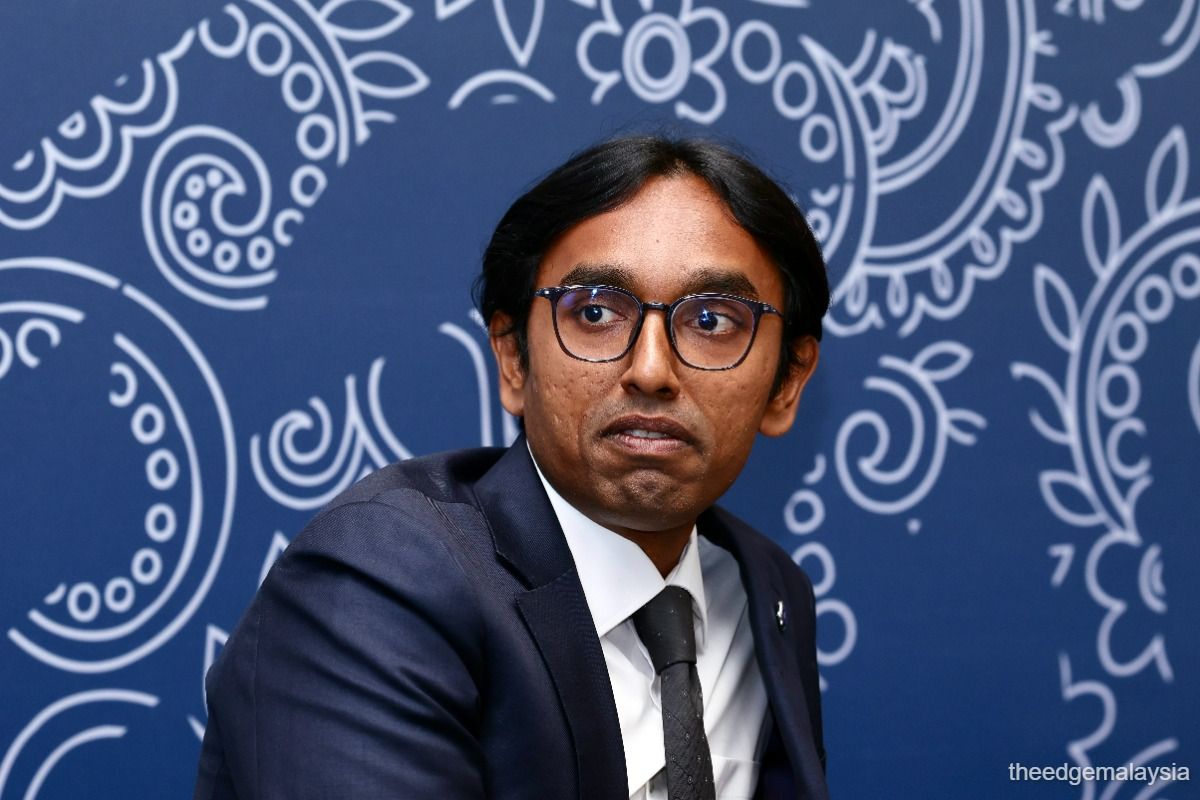
World Bank economist Deisigan Shammugam also highlighted that it has been a decade since then and that technology has improved since then.