

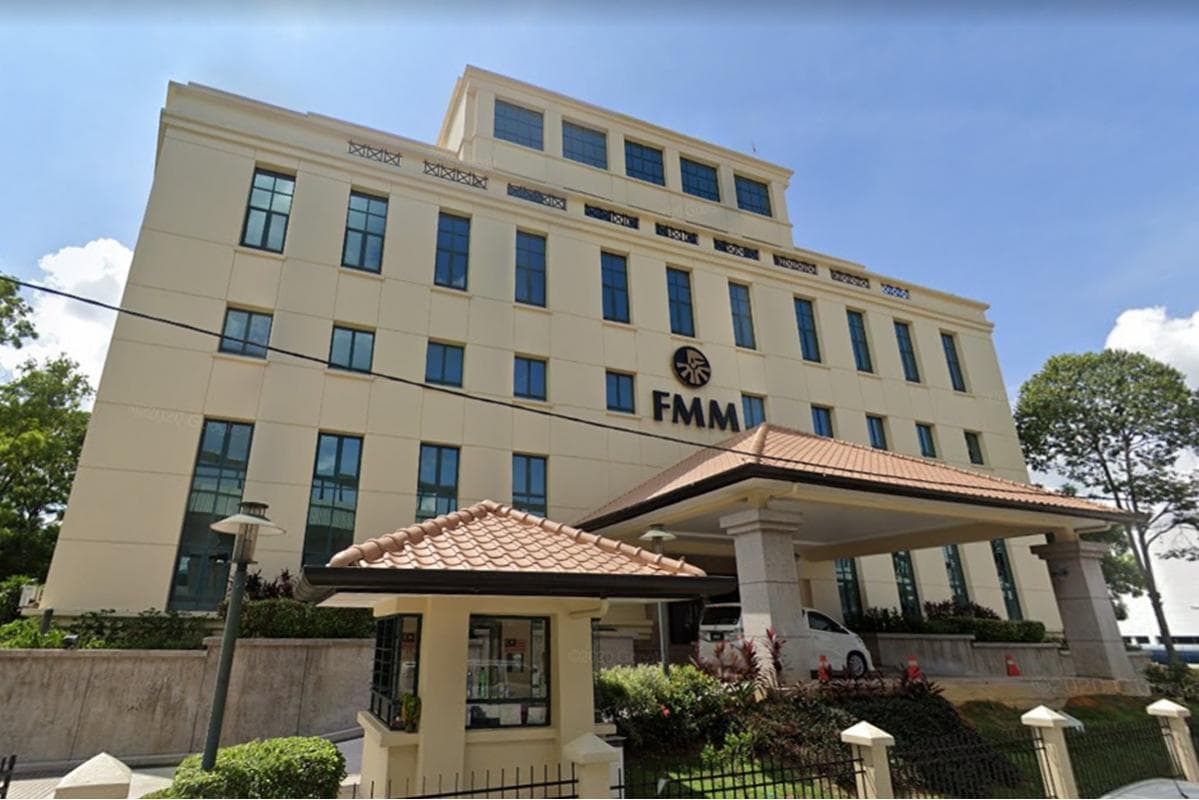
KUALA LUMPUR (April 30): The Federation of Malaysian Manufacturers (FMM) has urged the government to postpone the planned expansion of the Sales and Service Tax (SST) until a comprehensive review is completed.
This comes after the Ministry of Finance delayed the implementation of the tax changes — originally scheduled for May 1 — and the Royal Malaysian Customs Department indicated that the new measures are now expected to be gazetted on June 1.
In a statement on Wednesday, FMM president Tan Sri Soh Thian Lai said the current conditions are not conducive for the SST expansion, citing external pressures faced by manufacturers, including the imposition of US reciprocal tariffs and the upcoming electricity tariff review in July 2025.
"The expanded SST coverage, without appropriate safeguards, will amplify the cost of doing business, weaken Malaysia’s industrial competitiveness and increase the financial burden on consumers through higher retail prices," he said.
Soh strongly urged that the SST expansion should not proceed until key concerns are addressed — including a full assessment of its impact on inflation and business competitiveness, a review of the tax on essential goods and raw materials, and the simplification of input exemptions for manufacturers.
He also called on the government to provide a 12-month grace period for newly taxable businesses, supported by targeted education and outreach efforts. Additionally, he proposed exempting services rendered to licensed manufacturers to avoid double taxation.
If these issues are not adequately resolved, Soh said the government should defer the gazettement of the SST expansion beyond June 1, 2025, to prevent damage to the manufacturing sector, reduced consumer spending power and setbacks to Malaysia’s economic recovery.
Prime Minister Datuk Seri Anwar Ibrahim had announced during the tabling of Budget 2024 last year that the government intended to expand the SST scope starting May 1, 2025.
The plan includes raising the sales tax on non-essential goods such as imported premium items like salmon and avocados. It also proposes expanding the service tax to cover business-to-business transactions, especially fee-based services that were previously exempt.