

(Nov 28): In a few short weeks, global fuel markets have lurched out of crisis, for now at least.
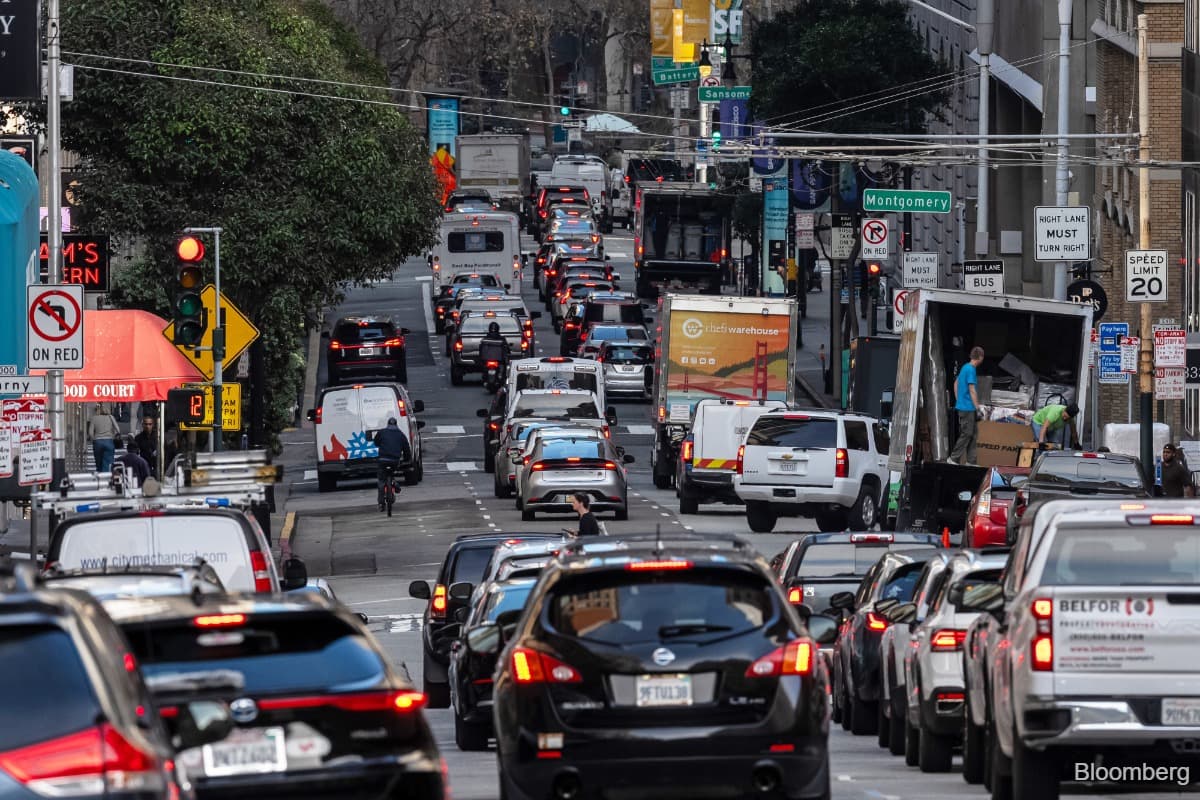
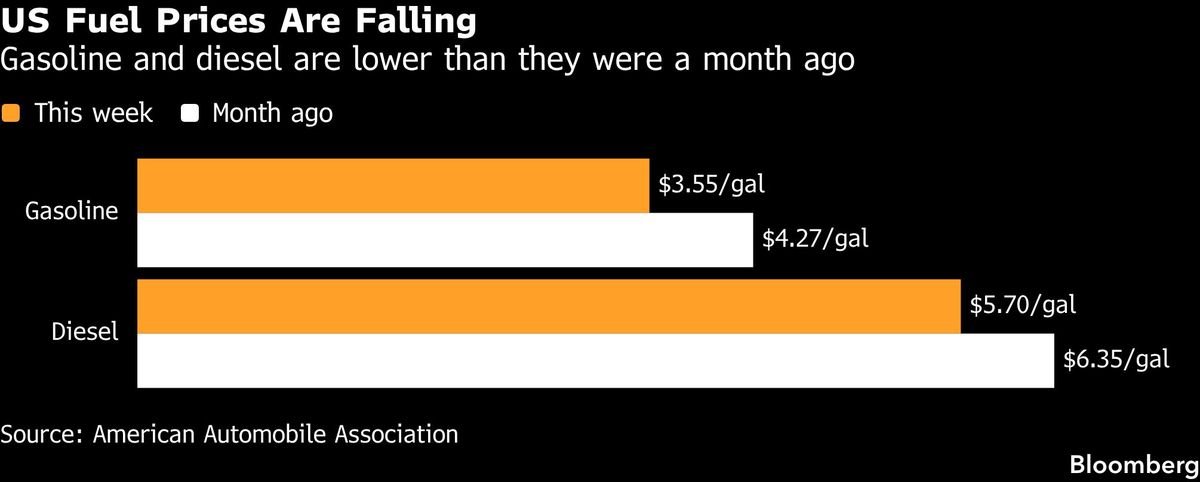
American drivers were spared record gasoline prices when they hit the roads for Thanksgiving, with prices sliding near US$3.50 (RM14.41) a gallon. The picture is similar elsewhere, with pump costs in Europe down 15% after nine consecutive weekly drops and prices falling from Thailand to Malaysia. Even diesel markets are reversing a near-uninterrupted ascent since the Iran war began.
It’s the latest sharp move in oil markets roiled by disruptions to Middle Eastern supplies and Ukrainian attacks on Russian processing plants. Together, the two wars have driven up the cost of living around the world, prompting a wave of interest-rate hikes that has helped derail the bull market in equities.
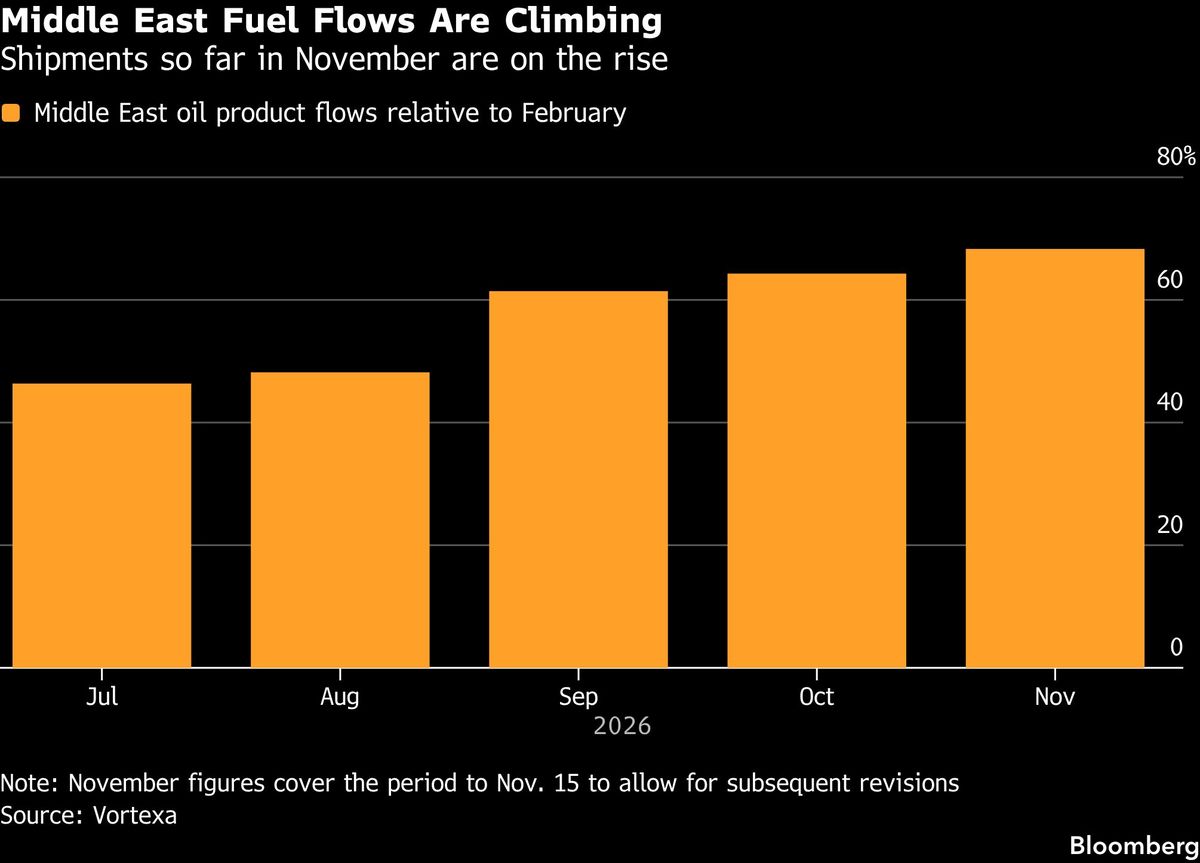
In recent weeks, though, oil product flows have picked up through the Strait of Hormuz, adding crucial extra barrels to the market. Refineries elsewhere have been running at breakneck speed to fill the supply gap. All the while, demand has cratered, with the International Energy Agency (IEA) seeing consumption falling almost three million barrels a day this year.
Further emergency stockpile releases from IEA member countries are also taking some of the heat out of fuel markets, with European nations set to release at least 15 million barrels of diesel between early November and the end of February, according to the Paris-based watchdog.
Those factors have combined to ease cost pressures that sparked protests in France and Italy and contributed to heavy losses for the Republicans in the US midterm elections. While that’s brought some relief to the global economy, the outlook remains uncertain as wartime stress persists.
“The ultimate drivers of these things are events in the world, which are inherently unpredictable,” Bank of England Governor Andrew Bailey told lawmakers in the UK this week. “If current prices were to stay where they are, the peak of inflation, mechanically, would be lower,” he said, referring to both oil and natural gas prices.
Early signs of that relief came on Friday, when inflation in France and Spain slowed much more than anticipated as energy pressures eased. French prices came in about 0.4 percentage points below the median estimate in a Bloomberg survey of analysts.
A Bloomberg Economics model shows that a US$20 drop in crude oil prices could reduce the US Consumer Price Index by roughly that amount. In recent months, however, central bankers have focused on another gauge of inflationary pressures: crack spreads.
Those gauges, which measure the difference between crude and fuel prices, have been stubbornly wide for much of this year. In the last few weeks, they’ve reversed, with European gasoline trading at its smallest premium to crude since 2023. Across the US and Asia, equivalent premiums of gasoline and diesel are at multimonth lows.
Rising flows
While prices are cooling into the end of the year, there’s still a threat of fresh increases in 2027.
Sky-high crack spreads had incentivised refiners to maximise fuel production, prompting many to defer planned maintenance. Some analysts warn that could lead to larger-than-usual outages, increasing the risk of renewed price spikes during periods of seasonally high demand.
“The next 40 days are going to be deflationary, particularly for gasoline,” Tom Kloza, chief energy advisor to Gulf Oil, said in a Bloomberg TV interview. “But watch out in 2027. The seeds for the next rally in gasoline — and perhaps for the next rally in diesel — have been planted here in the last few weeks.”
Much will depend on the path ahead in Hormuz, where attacks have grown more intense this month but barrels continue to flow. In the first 15 days of November, about 5.3 million barrels a day of fuel exited the Middle East, both through Hormuz and ports outside of the chokepoint. That’s now only about 30% lower than prewar levels, compared with a drop of about half over the summer.
Refiners outside conflict zones have also ramped up production. Last week, US Gulf Coast refiners processed a record 9.8 million barrels of crude a day. Plants across six southern states processed roughly as much oil as the entire Middle East would under normal circumstances.
Uncertainty surrounds demand, which this year has recorded its steepest decline since the pandemic in 2020. With buyers under pressure for much of the year, the recent retreat in prices is showing signs of reviving consumption.
In Europe, German heating oil trading has picked up after consumers held off buying for much of the year because of high prices. As fuel becomes cheaper, a resurgence in buying could help limit further price declines.
“Drivers will be relieved to know that the price of petrol has now fallen,” said Simon Williams, head of policy at UK motoring group RAC. He added that the cost of filling up a family car in the country is down by £9 (RM48.59) since early October.
Recent oil price declines mean “further reductions are expected at the nation’s forecourts,” he said.
Uploaded by Felyx Teoh