

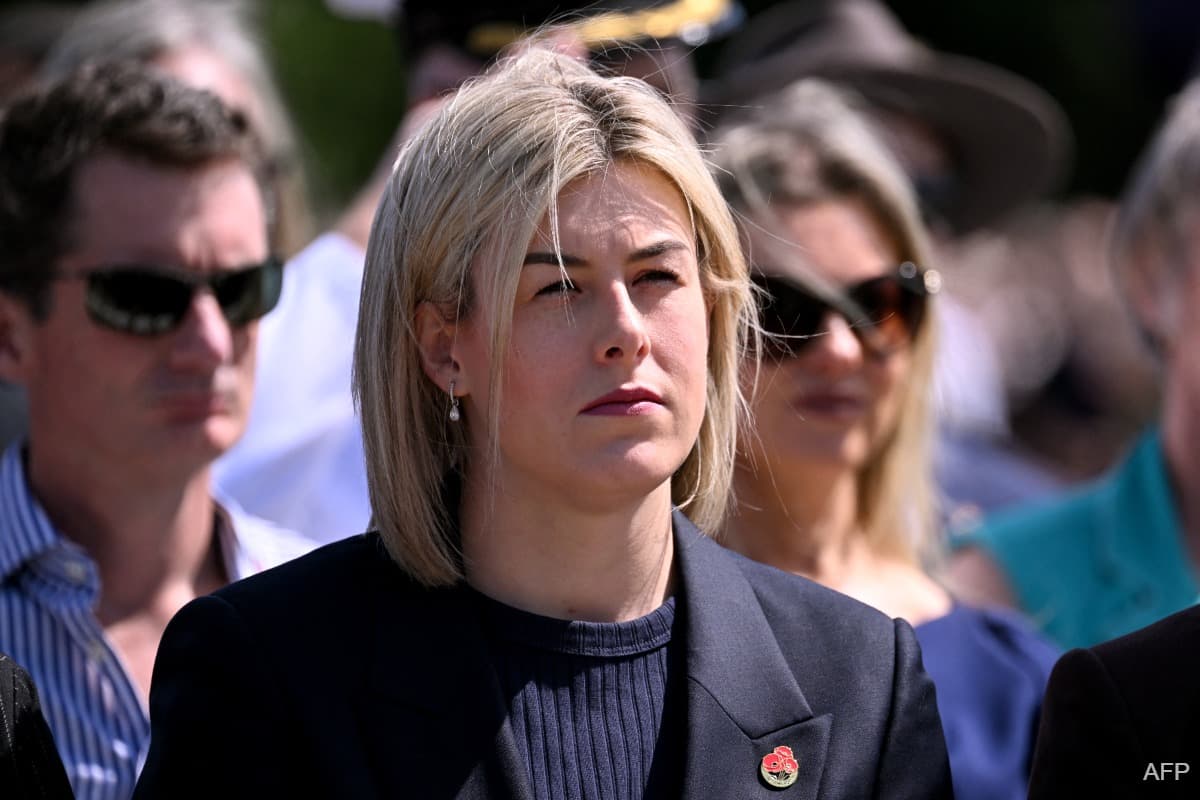
(Nov 28): Australia’s Liberal-National coalition is set to win control of Victoria state, wiping out a deeply unpopular Labor government after 12 years of rule, national broadcaster ABC projected.
The centre-right coalition was expected to win enough of the 88 seats in the lower house to form a new government, the ABC reported on Saturday evening.
As of 10.50pm in the state capital Melbourne, the coalition was projected to win 47 seats, with almost 35% of the primary vote, while Labor was seen holding only four and the Greens at six. Only about one-third of the vote had been counted and 31 seats were yet to be called.
The landslide means Jess Wilson, the 36-year-old leader of the Liberal party, will be the state’s first elected female premier.
“Today, Victorians have drawn a line in the sand after 12 long years,” Wilson said in her victory speech. “Our state faces profound challenges, fixing it will not be easy and it will not happen overnight.”
The wipeout of the Labor party was so total that even Premier Ben Carroll was projected to have lost his suburban Melbourne seat.
“This is a significant loss for Labor,” Carroll said in his concession speech. “It’s not the result we wanted, but it is a result we accept.”
Labor’s popularity evaporated since its own 2022 landslide victory. The highest state debt in the country, spent on large infrastructure projects marred by allegations of corruption, as well as a perception of unchecked crime and poorly maintained services weighed on its reputation.
The party’s fortunes were so poor that its national leader, Prime Minister Anthony Albanese, never campaigned in the state.
“It’s obviously a bad night for Labor,” Richard Marles, Albanese’s defence minister and the highest ranking national party official from Victoria, told the ABC. “This will take time to properly digest and understand.”
The state’s net debt in the general government sector stood at almost A$161 billion (RM441.24 billion) as of June 30, driven by high infrastructure spending and stimulus measures during the pandemic. It’s been forecast to hit nearly US$200 billion (RM823.5 billion) by the end of the decare. That burden is becoming increasingly costly following the Reserve Bank of Australia’s five interest-rate hikes this year.
“It’s going to be a really tough gig for anyone to turn this around,” said Kat Ashton, who was waiting to vote in Wilson’s seat of Kew, in the wealthy eastern suburbs of Melbourne. “The general wastage is disgusting and it’s leaving our kids and grandkids with this large debt, which is awful.”
One Nation
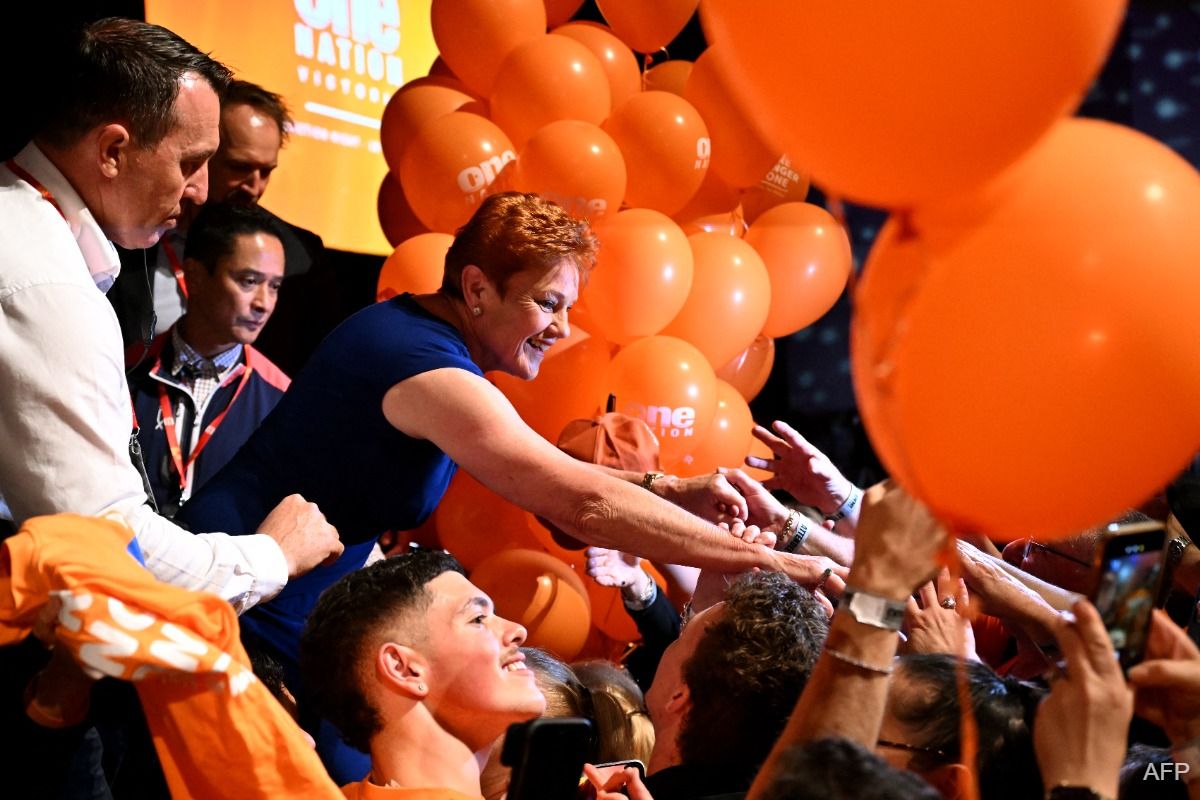
The fortunes of far-right One Nation and its leader Pauline Hanson were also in focus, as the Victoria polls were seen as a major electoral test as its popularity has recently risen.
The party received the second-highest primary vote count, at about 21%, but hadn’t yet been projected by ABC to win any seats. The disconnect is due to the state’s preferential voting system, which allocates votes to the top two performers in each constituency.
“Whatever the outcome tonight, One Nation Victoria is part of the permanent political landscape here in Victoria,” the party’s state leader, Warren Pickering, said early in the evening. He wasn’t expected to win his outer suburban seat, which the ABC was projecting would go to the Liberals.
Hanson followed up, saying that ousting Labor meant it had achieved its main goal but threatening what she called the country’s traditional “uni-party”.
“One Nation is snapping at the heels of the political establishment, Labor and Liberal both, and they know it,” Hanson said. “They used to ignore us, but they can’t anymore.”
Nicholas Barry, a politics lecturer at La Trobe University in Melbourne, described the outcome as an extension of a trend towards a fragmented electorate that’s drifted away from the two parties that have traditionally dominated Australian politics — Labor and the Liberal-Nationals coalition.
“We’re now starting to see that starting to consolidate behind four main parties, with the Greens and Labor on the left, and then the Coalition and One Nation on the right,” he said.
“That means that relatively small percentage shifts in the percentage of the vote can have significant consequences for who wins the seats,” he added. “It makes elections in general a bit more unpredictable, and it means that the parliament is going to be more complicated.”
Uploaded by Felyx Teoh