

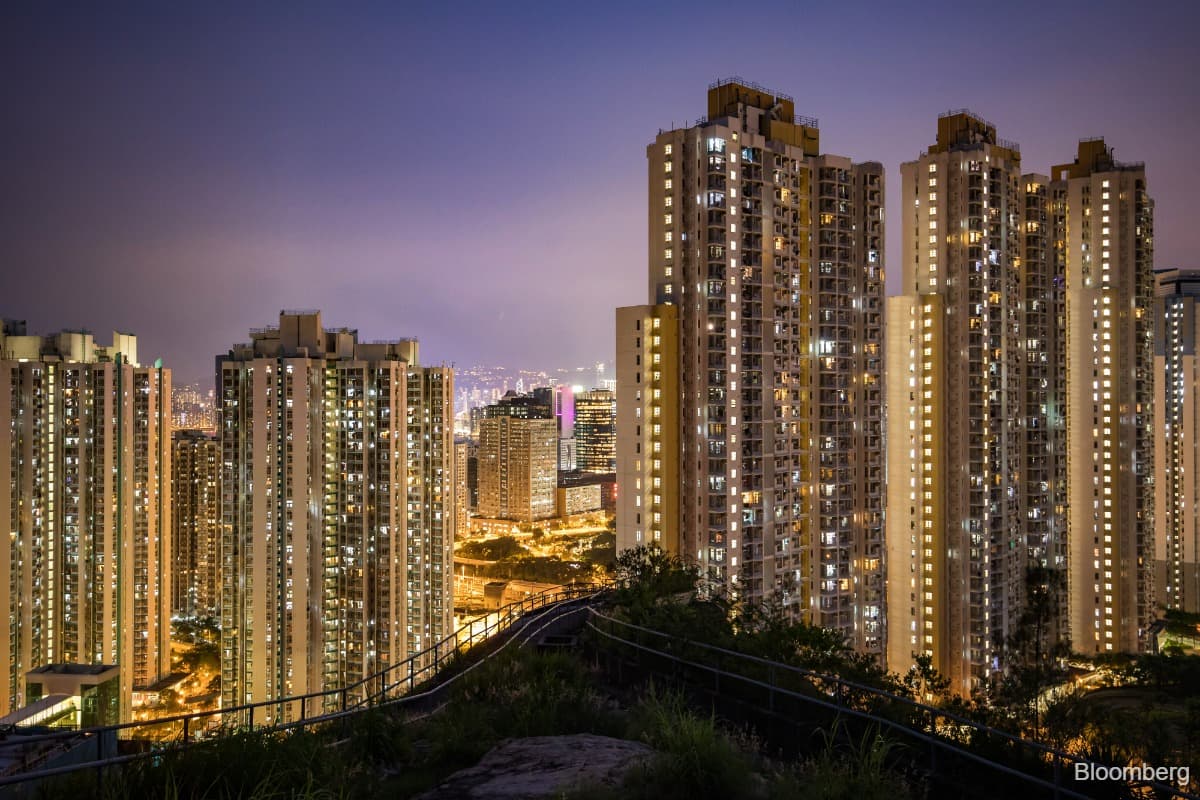
(Nov 27): Hong Kong’s booming rental real estate market is spurring gains in previously underappreciated neighbourhoods, as bankers pay up for apartments in one of the world’s most expensive places to live.
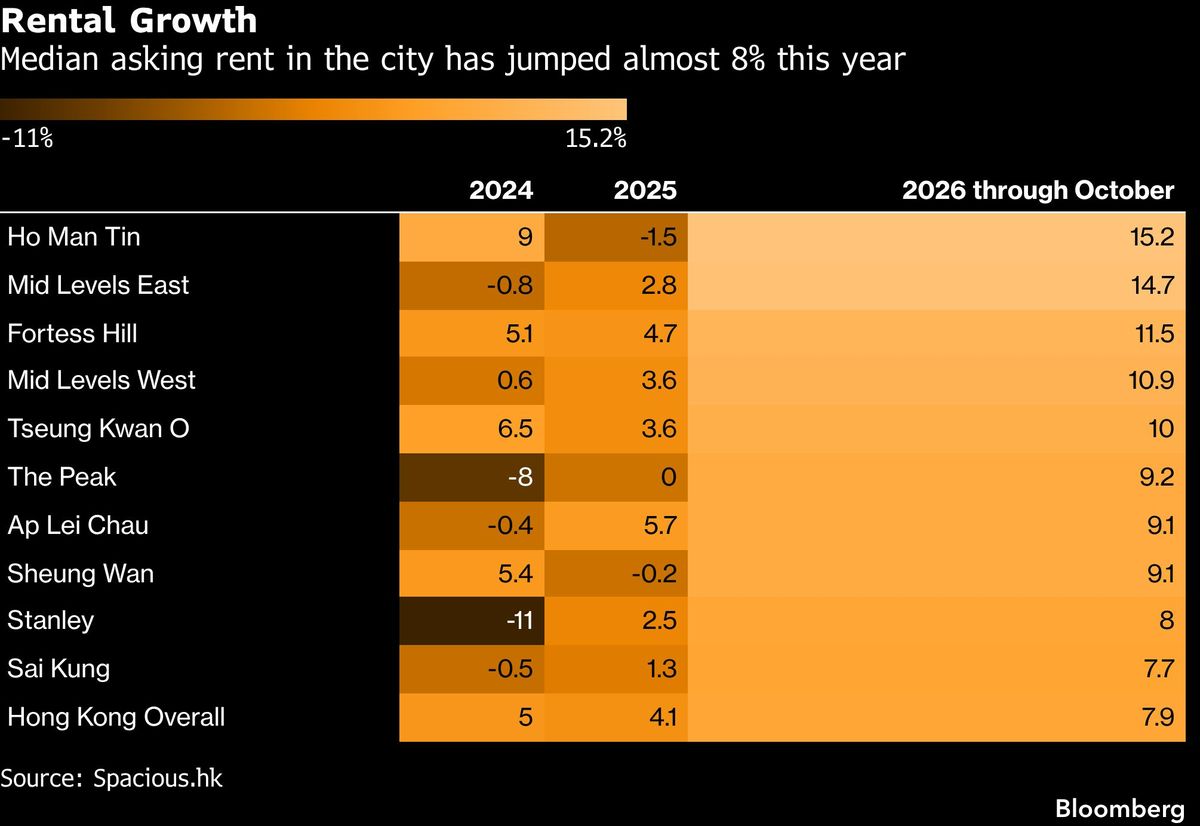
Ho Man Tin is luring finance professionals to the upscale neighbourhood that’s near top schools and is close by to an area soon to house new office space for JPMorgan Chase & Co. Rents in the area are up more than 15%, almost double the pace of Hong Kong’s wider property market. Those in the increasingly popular Tseung Kwan O, far from the Central business district but connected by the underground rail network, are up 10%.
The old favourites are getting plenty of demand, too: Rents in Mid Levels, popular among European bankers attracted by its offering of restaurants and fancy delis, are up by double digits. Those in the Peak, home to many of the city’s richest people, have jumped more than 9%.
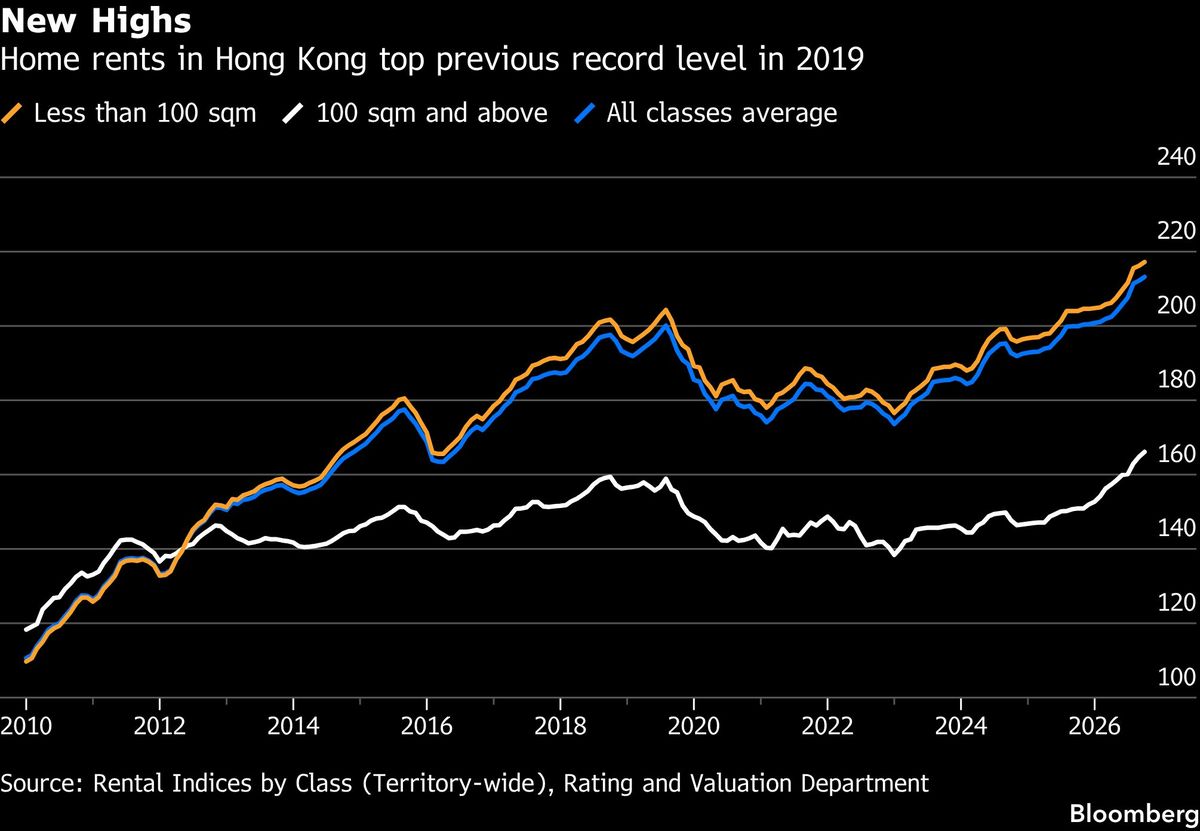
Across the city, a sentiment shift that has fuelled a surge in initial public offerings and an office leasing rush among financial institutions is pushing rents ever higher. Hong Kong’s rental price index of private homes jumped 6.3% in the first 10 months of this year, and average rental levels have repeatedly pushed to new record highs.
The frenzy is putting the pressure on potential renters, who are facing brief property listings and the risk of a form of a gazumping — a term from the market for home sales where buyers agree a deal and then find themselves pushed aside as a higher bid comes in at the last minute.
“The market hasn’t been this busy since at least 2018,” said Victoria Allan, founder and CEO of Habitat Property Ltd, which specialises in luxury properties. “We see shortages across all budget ranges, and some single-landlord buildings in Hong Kong Island south and Central have seen waiting lists.”
Gary Lee, an investment banker who leases a 600-square-feet apartment near his office in Central, said he didn’t hesitate when his landlord recently asked for a 10% increase in rent.
“I don’t think I could find a similar available flat easily these days,” said the 35-year-old. Apartments “offering such convenience on transportation and shopping choices in nearby areas are limited”.
No negotiations
Competition for rentals is being driven both by tight supply and a surge in demand. Expats are returning, white-collar workers and students are arriving from mainland China, and more confident local professionals are choosing to rent. Hordes of foreigners are streaming back to grab white-collar jobs, responding to planned tax breaks for private equity and hedge funds.
There’s also the impulse of government-led programmes designed to lure skilled professionals. More than 410,000 such approvals were granted over the last three years, with almost three-quarters arriving from mainland China, government data in March showed.
Banking and fund management pros as well as high-net-worth individuals moving to the city through talent schemes are a major driver of rental growth, especially at the high-end, according to a residential leasing report by Savills plc. With demand running ahead of available supply, landlords have gained greater pricing power and are increasingly preferring tenants from the financial services sector, the report shows. The international property consultancy expects luxury residential rents will increase as much as 5% in the final quarter of this year.
It’s now a more ferocious environment where quick decisions can make or break a deal.
“For years, a landlord’s asking price was always subject to negotiation, but now it’s a different story,” said property agent Sonam Thadani, who counts finance workers as one of her major client bases. “We are coming to see tenants offering more than the asking price and willing to put down a deposit on the same day to secure a lease, especially where location and recent refurbishments offer limited competing options.”
Median asking prices for rents across Hong Kong rose about 7.9% in the first 10 months of 2026, with no neighbourhood recording a decline over that period, according to property platform Spacious.hk. The average time for each listing is also getting shorter, the data show. A typical two-bedroom flat around the prime Central area is fetching at least HK$25,000 (US$3,190 or RM13,136) per month, not too far away from the average level in New York or Boston.
Among popular areas, Ho Man Tin, an enclave in the centre of the Kowloon peninsula, emerged as the new winner on rental growth. It offers greater proximity to bankers working in West Kowloon and wealthy mainland Chinese families with children at international schools nearby, according to James Fisher, chief operating officer of Spacious. JPMorgan is expected to move one of its offices into the West Kowloon area in 2028.
Jennifer Zuo, a wealth management professional who moved to Hong Kong from Shanghai earlier this year, eventually settled on a fully furnished serviced apartment on the east side of Hong Kong island.
Zuo, who stumps up around HK$40,000 a month for the apartment, has already started thinking about her next move. Her rent will be up for negotiation next year — and she’s anticipating an increase.
Uploaded by Chng Shear Lane