

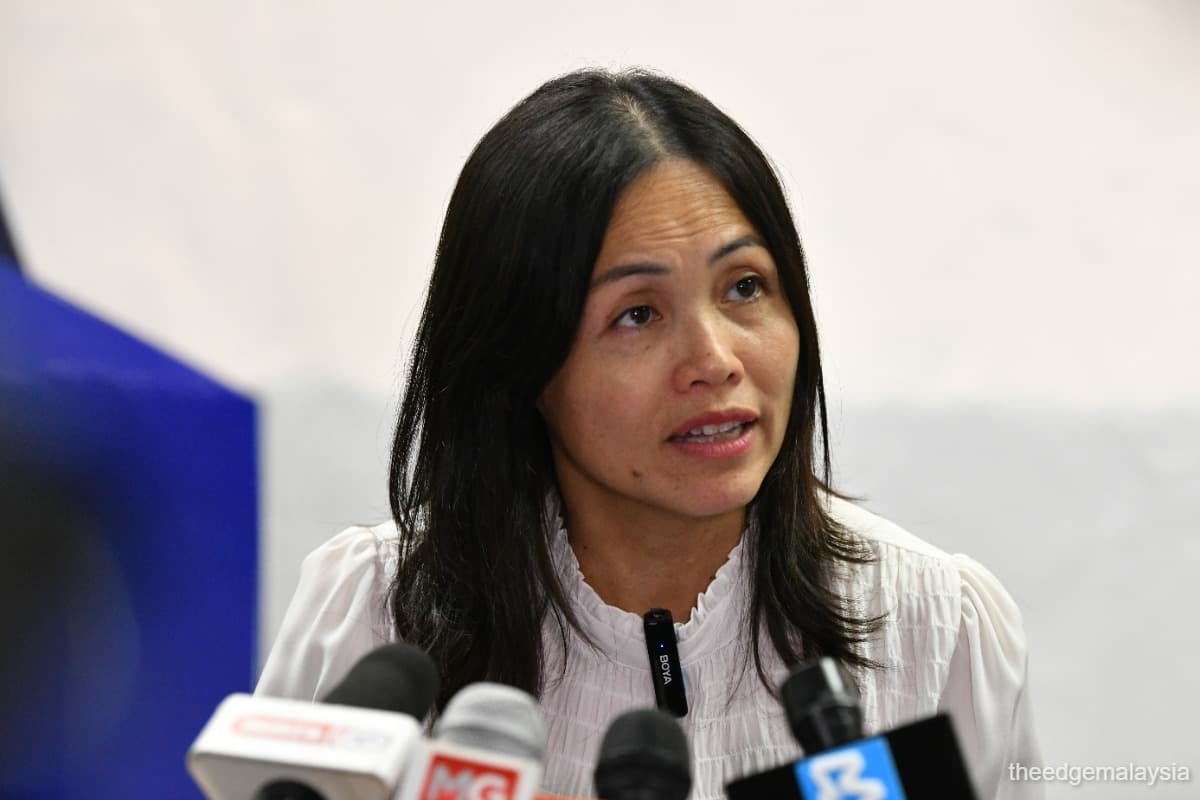
KUALA LUMPUR (Nov 26): The Malaysian Communications and Multimedia Commission (MCMC) is exploring a multi-layered age verification approach to detect discrepancies in age-related information and verify accounts suspected of being operated by users under the age of 16.
Deputy Communications Minister Teo Nie Ching said the approach is among the measures being considered to address challenges in implementing age verification, particularly the risk of underage users providing false age information or using other individuals' identities.
She said accounts flagged through the mechanism would undergo further verification to establish users' actual ages, using official government records such as the MyKad, passports or other recognised identification documents.
"This approach also takes into account the need to verify the ages of existing social media account holders, particularly those whose accounts contain indications or information that raise doubts about their actual age.
"In implementing such a mechanism, service providers must ensure that only information necessary for age verification is collected and processed, while safeguarding users' personal data in accordance with applicable laws," she said during a Special Chamber session in the Dewan Rakyat on Thursday.
Teo was responding to a question from Dr V Sivakumar (Pakatan Harapan-Batu Gajah) on the government's mechanisms to detect and address social media accounts belonging to users below the age of 16, including existing accounts and those created using inaccurate age or identity information.
Under the Child Protection Code, which came into effect on June 1 this year, licensed social media service providers are required to implement effective age-verification mechanisms to ensure that only users aged 16 and above can register for social media accounts and access age-appropriate service features.
To ensure compliance, Teo said the MCMC had issued directives under Section 30 of the Online Safety Act 2025 (Act 866) to three social media service providers, namely Meta, TikTok and Google.
The Kulai member of Parliament added that the MCMC had also issued notices under Section 32 of the same Act to obtain information on how the service providers were implementing their respective age-verification mechanisms.
"Currently, the implementation of age-verification mechanisms is in a transition period. During this phase, the MCMC is conducting continuous monitoring and engagement sessions to assess the preparedness and compliance of these service providers with the established requirements," she said.
On strengthening online child protection, Teo said the minimum age requirement of 16 must be complemented by safety features tailored to adolescent users' ages and stages of development.
These include default privacy settings for adolescent accounts, tools to manage time spent on social media and parental control functions.
She said such safety features could complement age-verification mechanisms in mitigating risks such as cyberbullying, sexual exploitation, online harassment and excessive social media use.
She added that the MCMC would continue monitoring and engaging with service providers while studying developments and practices in other countries to inform improvements to Malaysia's online child protection framework.
Teo stressed that protecting children in the digital environment could not rely solely on technology and legal enforcement, but must also be reinforced through education, awareness and the active involvement of parents, guardians, teachers and the wider community.
In this regard, she said the government had allocated RM58.7 million for the MCMC's Safe Internet campaign, which targets school and university students and includes educational, awareness and advocacy programmes for parents, guardians, teachers and the wider community.
As of Nov 15, the campaign had been conducted in 10,974 schools and 141 higher institutions of learning, in addition to 6,252 programmes for the general public, reaching nearly 2.7 million participants nationwide.
"The government is committed to ensuring that technological progress and national development go hand in hand with efforts to safeguard the safety and well-being of children," she said.
For more Parliament stories, click here.
Uploaded by Tham Yek Lee