

This article first appeared in The Edge Malaysia Weekly on November 30, 2026 - December 6, 2026
Excellence in Integrated Urban Development | Sunway Velocity | Sunway Bhd
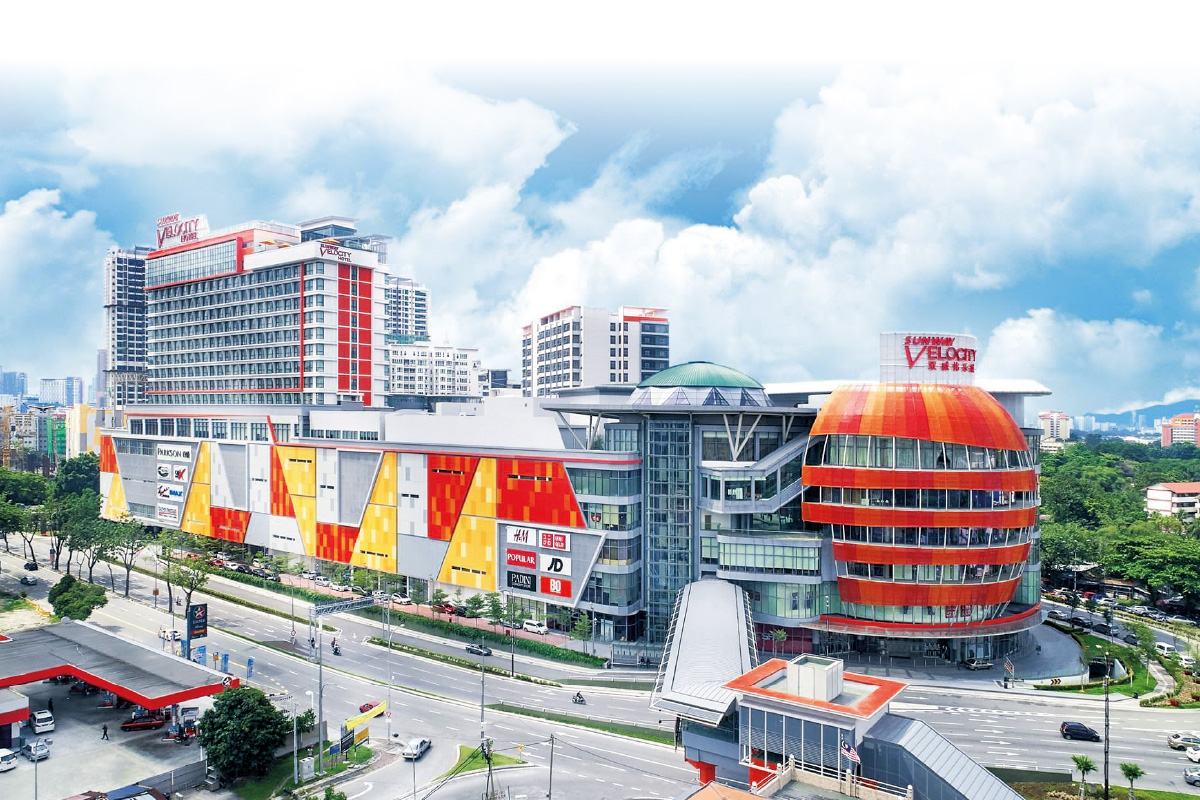
Sunway Velocity’s transformation from ageing workshops and warehouses into an integrated township in Cheras, Kuala Lumpur, reflects Sunway Property’s approach to urban regeneration, which combines residential, commercial, retail, healthcare and hospitality components.
The development began in 2006, when Sunway Property — the property division of Sunway Bhd (KL:SUNWAY) — entered into a joint venture with the landowner to develop a 23-acre site comprising mainly single-storey warehouses, workshops and a small commercial centre known as Queen’s Park, bounded by Jalan Cheras, Jalan Peel and Jalan Shelley.
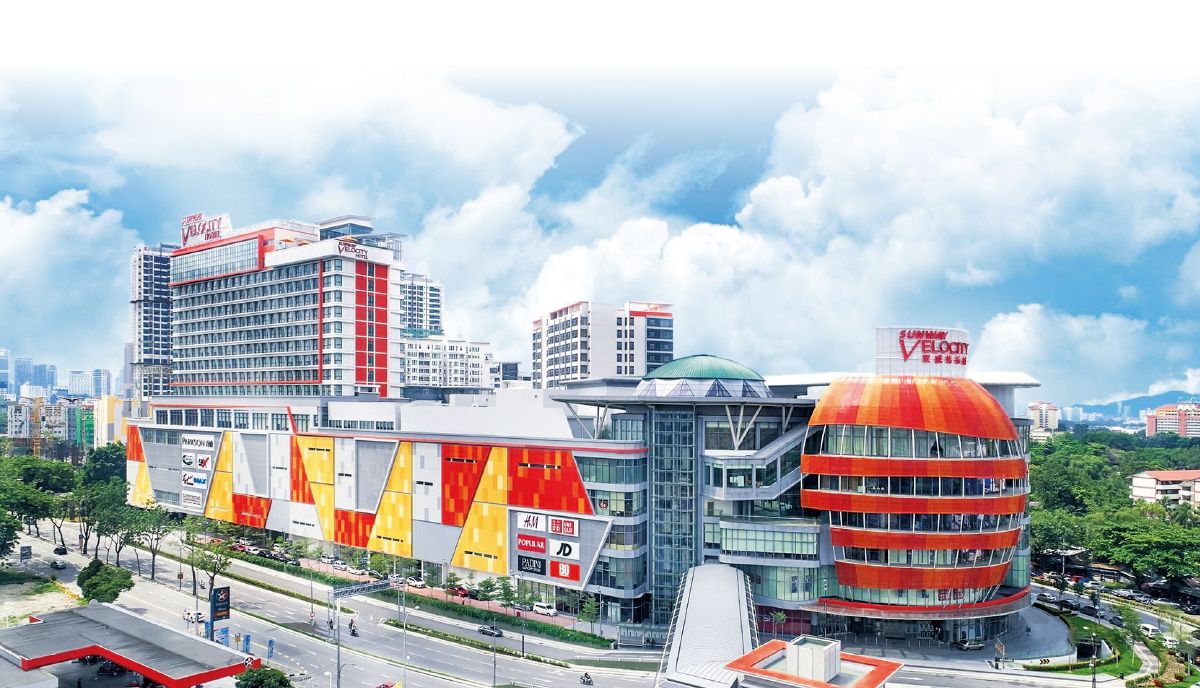
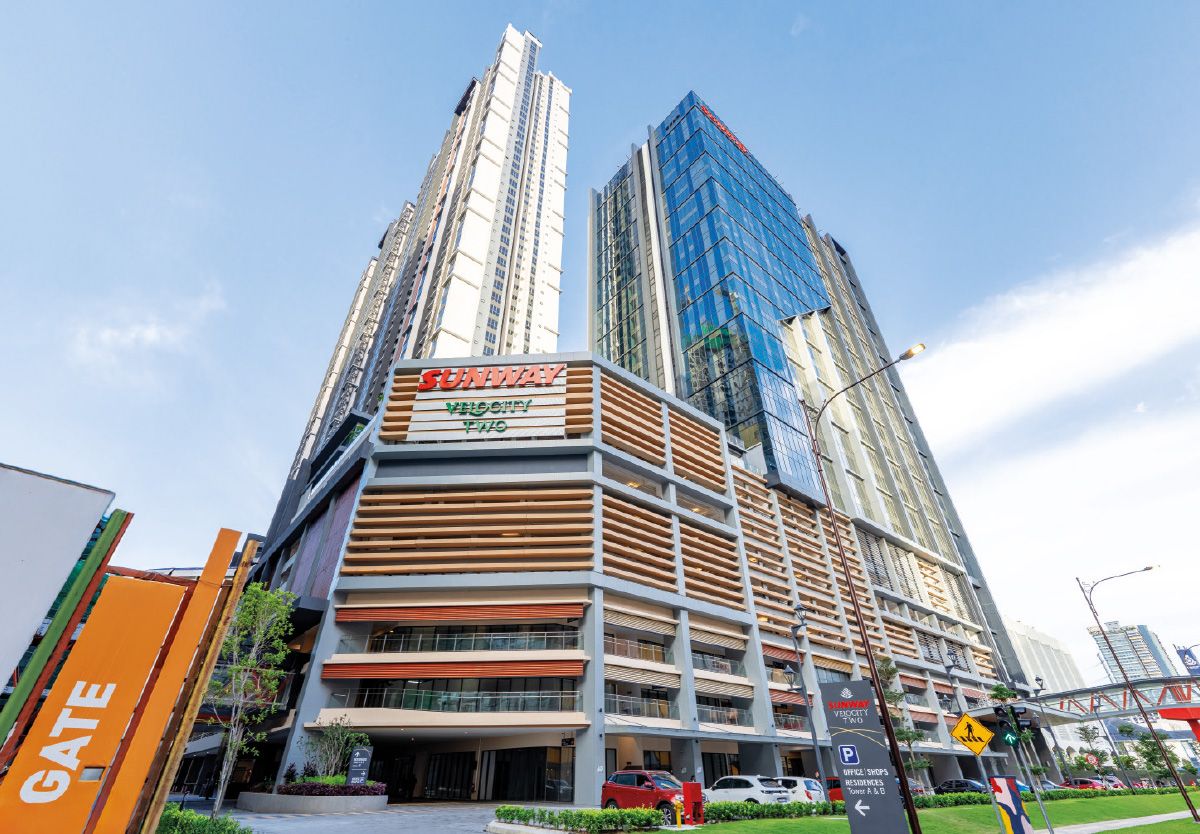
Nearly two decades later, the wider Sunway Velocity development has expanded to include Sunway Velocity TWO (8.5 acres) and Sunway Velocity 3 (5.5 acres). Beyond adding buildings, Sunway Property has adopted a “build, own, operate” model, establishing community activities, retaining selected assets to manage them after completion and refining the overall offering to meet evolving market needs.
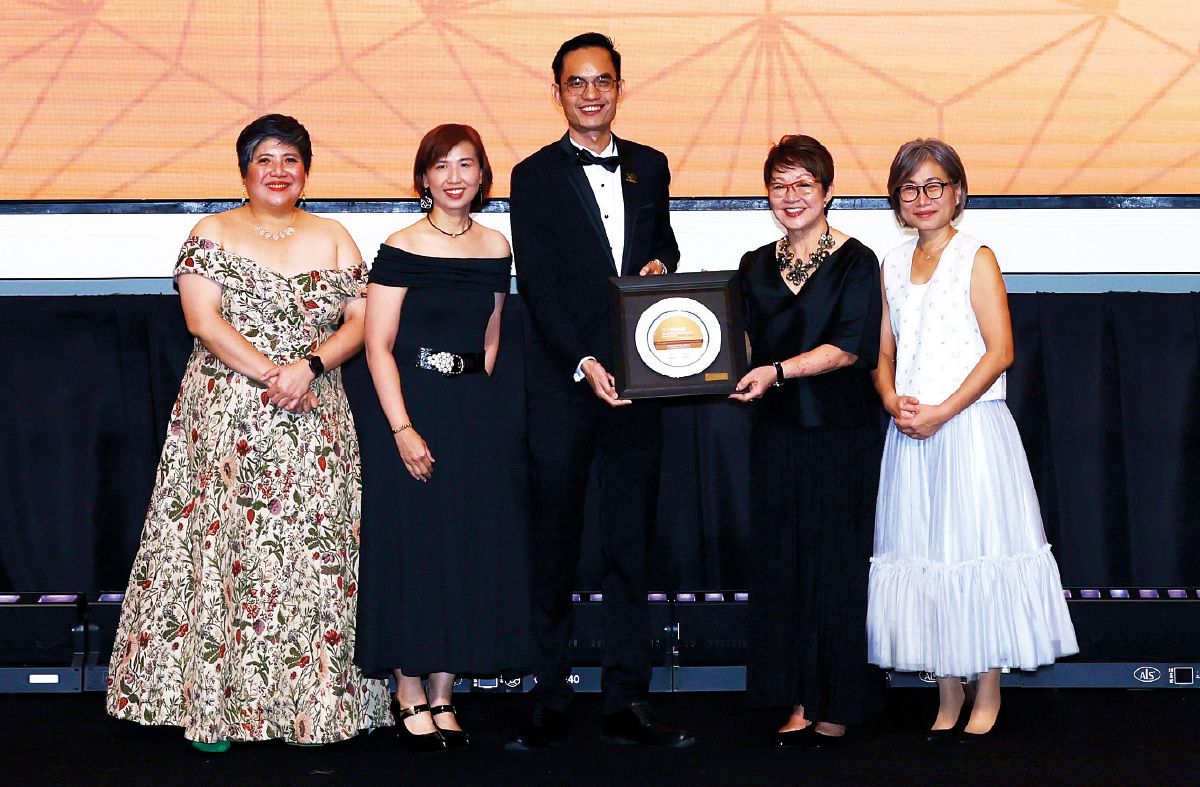
Sunway Velocity received The Edge Malaysia Property Development Excellence Award for Excellence in Integrated Urban Development at The Edge Malaysia Property Excellence Awards 2026. Sunway City Kuala Lumpur, Sunway Property’s crown jewel, was the recipient of The Edge Malaysia Property Development Excellence Award for Master Plan Excellence at The Edge Malaysia Property Excellence Awards 2025.
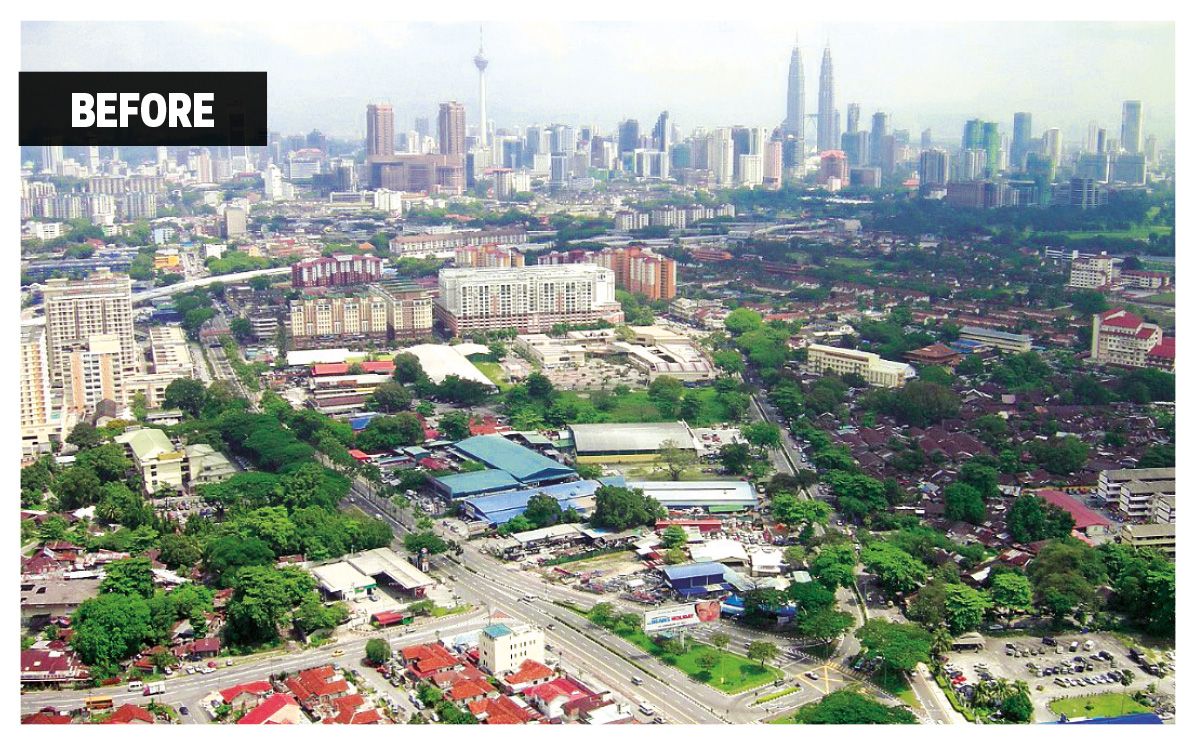
From industrial lots to an integrated township
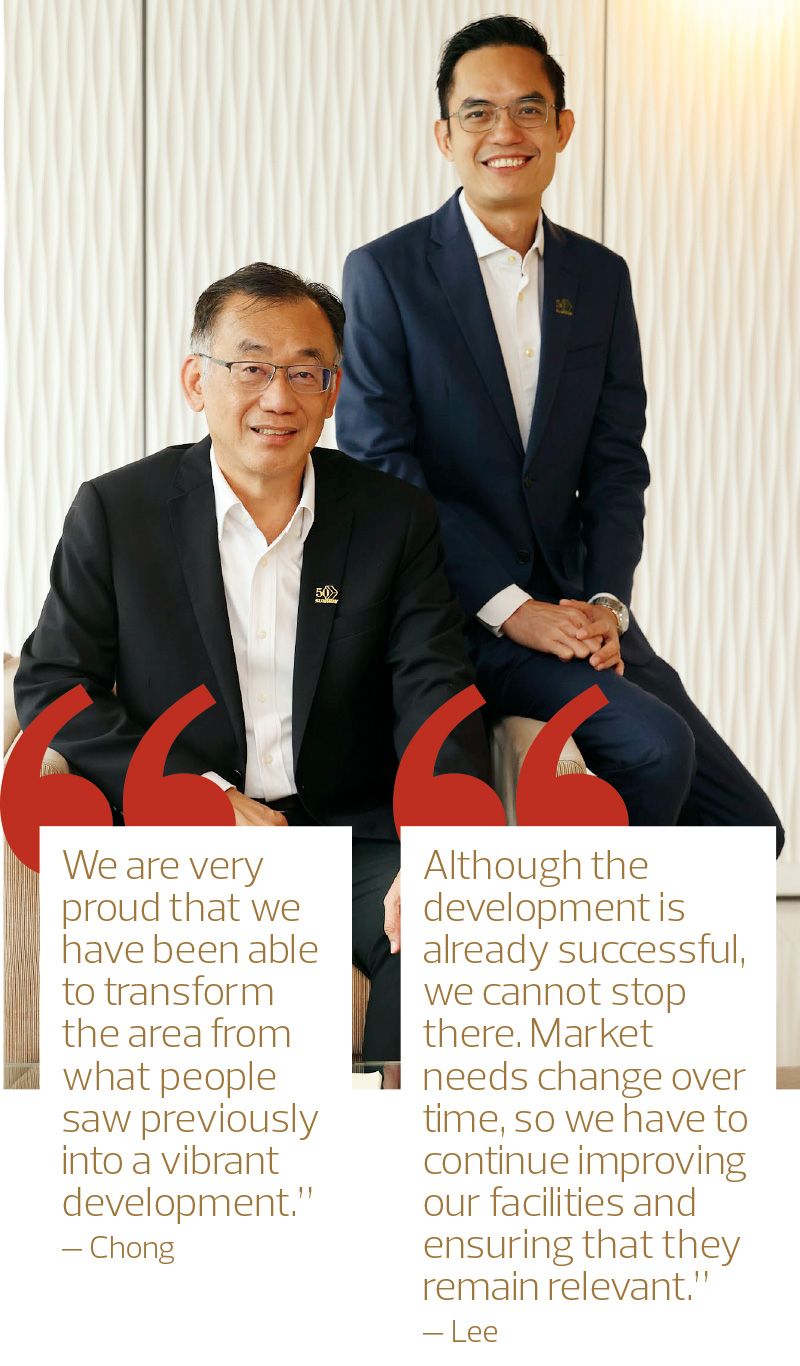
Sunway Property chief operating officer Lee Kar Loon says the initial strategy was to establish commercial activity that would attract visitors, generate employment and create demand for homes.
“Initially, when we started Sunway Velocity, we needed to create a central activity to attract people. Once the commercial components were established, we could create the confidence for people to live there because they could see that the surrounding amenities were already in place,” he tells City & Country.
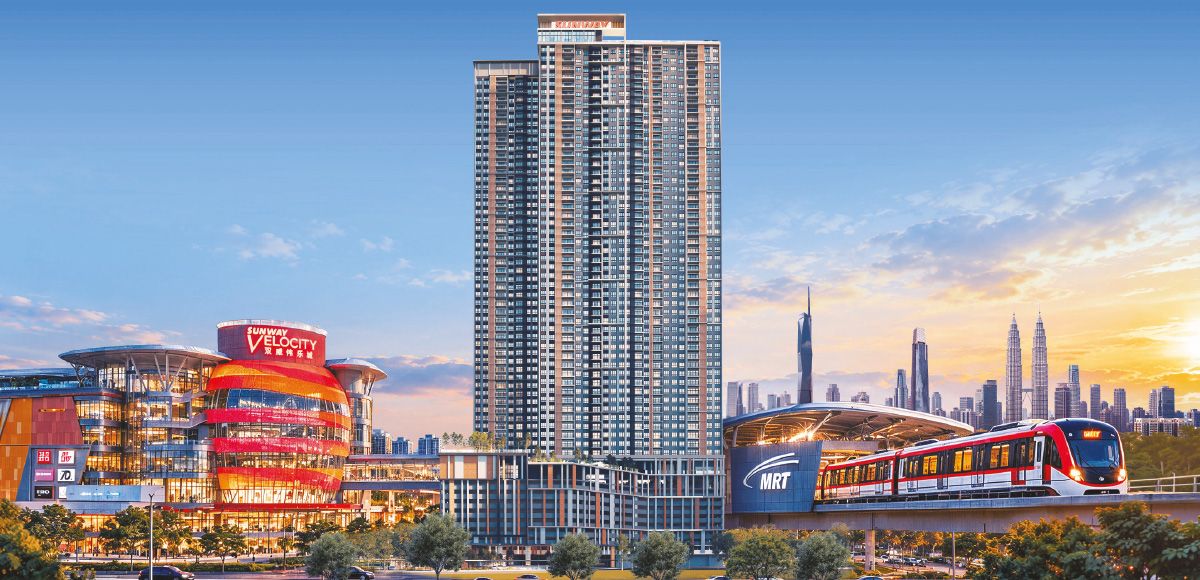
The shopping mall, with about 1.4 million sq ft of gross floor area, became a key component when it opened in 2016. The development subsequently added offices, a medical centre, a university, a hotel and residential properties.
“We need the population to support the commercial activities but, at the same time, the commercial components must be there to attract people and create job opportunities. The residential components then complement these economic activities,” says Lee.
The next phase followed after the landowner across Jalan Peel saw the progress of the initial development. Sunway Property signed a joint-venture agreement for Sunway Velocity TWO in January 2017, followed by Sunway Velocity 3 in 2022.
While the original development had a stronger commercial component, the subsequent phases are predominantly residential, drawing on the retail and other amenities already established.
Sunway Property CEO (central and northern region) Chong Sau Min says the development has changed the character of an area previously associated with older industrial and workshop activities.
“We are very proud that we have been able to transform the area from what people saw previously into a vibrant development. It has also provided people with a good residential option,” he adds.
Sunway Velocity 3 comprises three residential towers. Towers A and B are under construction and scheduled for completion in the first quarter of 2028 while Tower C was recently soft-launched. Chong says about 98% of the 1,006 units in the first two towers were sold within two years.
The developer is also developing Sunway Cochrane, about 500m away. Scheduled for completion in 2029, it will be connected to the wider development by a link bridge.
Retaining control of commercial assets
An important lesson from the earlier phases was the value of retaining selected commercial properties.
Chong says much of the retail component in the initial development was sold. For Sunway Velocity TWO, however, the company retained retail properties to manage the tenant mix and maintain standards.
“We learnt from the first phase of Sunway Velocity. That is why we decided not to repeat the same approach with Sunway Velocity TWO. We wanted to retain the retail component so that we could control the tenant mix and maintain the quality of the environment,” he adds.
Retaining these assets allows Sunway Property to select tenants based on their suitability for the wider development. Chong says this also gives the buyers of the residential properties confidence that the developer remains involved in managing the surrounding commercial environment.
“When residential buyers see that Sunway Property will continue to own, manage and maintain the commercial components, it gives them confidence that we are there with them. We are not simply selling the properties and walking away,” he adds.
The strategy also extends to selected office buildings, where the company manages tenants and occupancy. Chong says tenant selection matters because businesses operating in the buildings contribute to the development’s overall character and activity.
Retaining commercial assets also means continuing to invest in their upkeep and improvement beyond the initial construction period.
“Once we have built something, we do not just walk away after making a profit. There will be a need for enhancements over time and we continue to invest in improving the township,” says Chong.
Sunway Property has also worked with management corporations on maintenance and upgrading projects, sharing the cost of certain works. The longer-term quality of an integrated development depends on how its commercial and shared spaces are operated and maintained, not just their original design, he says.
Connectivity beyond the buildings
Covered walkways and bridges connect different parts of Sunway Velocity to nearby public transport and surrounding areas, allowing people to move between destinations without driving.
These include links to the Maluri LRT/MRT interchange station and Cochrane MRT station as well as pedestrian routes across surrounding roads. Sunway Property also maintains selected links, including arrangements for security, CCTV and cleaning.
Chong says building the connections is only part of the responsibility. They must also be safe and comfortable to use.
“We believe the key is to make the walkways safe and comfortable. It is not enough to build a bridge and leave it to someone else to manage. We want people to feel comfortable using the connections,” he adds.
The company has worked with the relevant authorities on maintaining selected pedestrian links and stationed auxiliary police to support security. Lee says the approach aligns with the concept of a 15-minute city, where workplaces, everyday amenities, leisure facilities and healthcare services are a relatively short distance from home.
“Within 15 minutes, people should be able to do their daily shopping, go to work, enjoy leisure activities and access healthcare. The idea is to make daily life more convenient by bringing these components together,” he says.
The links also serve people who work or study nearby, extending the commercial facilities’ reach beyond the township’s residents.
Working with the surrounding community
Developing Sunway Velocity in an established urban area brought challenges. Existing businesses and residential areas surrounded the original site while narrow roads and concurrent MRT infrastructure works added to traffic and access concerns during construction.
Lee says the company engaged with neighbouring shopowners who raised concerns about construction and the design of covered walkways. Some feared the structures would obstruct visibility from the main road and make their shopfronts less visible.
“We listened to their concerns and tried to address them. For example, when shopowners were worried that the covered walkway would affect the visibility of their shops, we adjusted the design to provide more openings so that people could still see the shopfronts,” he adds.
Access points were also incorporated to help pedestrians reach the shops.
Lee says the experience shows that urban regeneration requires developers to work with existing neighbourhoods rather than treat a development site in isolation. Construction and new infrastructure can affect businesses already operating in the area, making engagement important.
The township also provides spaces for community activities. Its central open space and the mall’s surrounding areas host events, including Mid-Autumn Festival celebrations and year-end countdown activities.
Chong says these spaces bring together residents, commuters and people working nearby.
“An urban space is important because it brings together residents, commuters and people working in the area. If the space is accessible and well maintained, it becomes a place where people can meet and build a community,” he adds.
Keeping the development relevant
Sunway Property is exploring opportunities to acquire nearby land and develop the remaining parcels around Sunway Velocity. Chong says the existing commercial facilities are expected to support further residential growth, reducing the need to replicate amenities already available.
“The commercial facilities are largely in place, so the remaining opportunities will mainly be in residential development. Smaller commercial components may be added where they can complement the existing ecosystem,” he explains.
The company is also upgrading existing commercial assets. Lee says the mall, despite being only 10 years old, has undergone two major upgrades, including changes to its circulation and retail areas.
One adjustment involved relocating the hotel lobby to Level 5, freeing up ground-floor space for retail activity.
“Although the development is already successful, we cannot stop there. Market needs change over time, so we have to continue improving our facilities and ensuring that they remain relevant,” he says.
As the population grows and expectations change, Sunway Property will need to assess how existing facilities are used and where further improvements are needed.
“We have to remain alert to what is happening in the market and be ready to adapt. What works today may not necessarily work in the future, so we need to anticipate changing needs and prepare for them,” says Chong.
Since work began in 2006, the focus has shifted from establishing an integrated township to managing its existing assets and adapting them to the needs of the people who live, work and do business there.
For Sunway Property, the next stage is to build on that network while keeping the development relevant to the surrounding community.
Save by subscribing to us for your print and/or digital copy.
P/S: The Edge is also available on Apple's App Store and Android's Google Play.