

This article first appeared in City & Country, The Edge Malaysia Weekly on November 30, 2026 - December 6, 2026
Christopher Manivannan | BRDB Developments Sdn Bhd
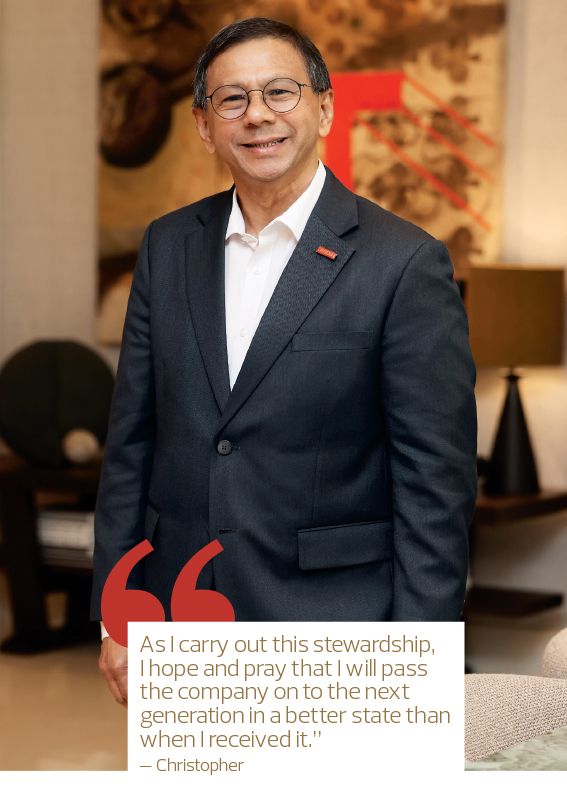
A finance professional turned property leader, BRDB Developments Sdn Bhd group CEO Christopher Manivannan believes property development is more than just about buildings — it is about creating lasting value for people and communities.
Joining BRDB as a senior finance manager in 2007, he never expected to one day lead the group. Nearly two decades on, he has steered the company through major transitions, from its delisting and privatisation to business transformation and the challenges of the Covid-19 pandemic.
Appointed group CEO in January 2023, Christopher regards the role not as a position to own, but as a responsibility to fulfil. He believes his journey has been shaped by the responsibilities entrusted to him, and his aspiration is to leave the business in better shape for the next generation.
“I don’t own this role as a CEO. It was entrusted to me. I am only a steward,” says the soft-spoken 62-year-old.
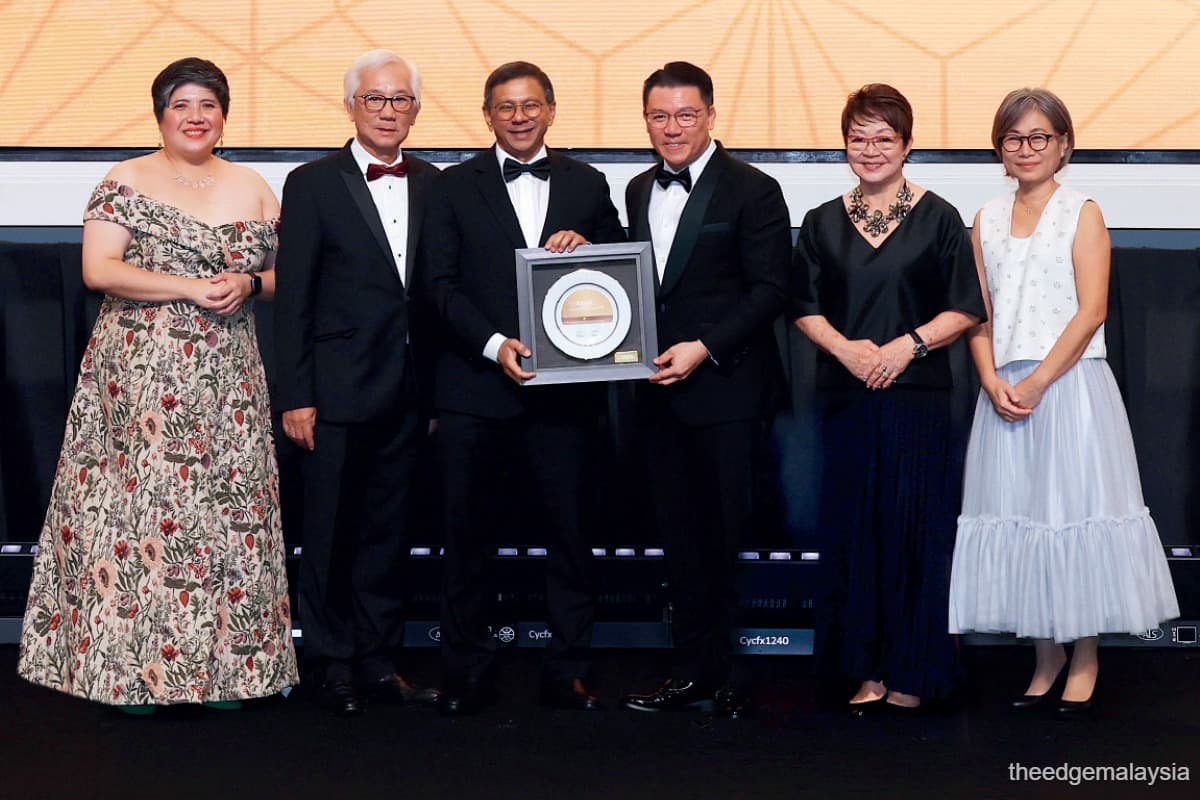
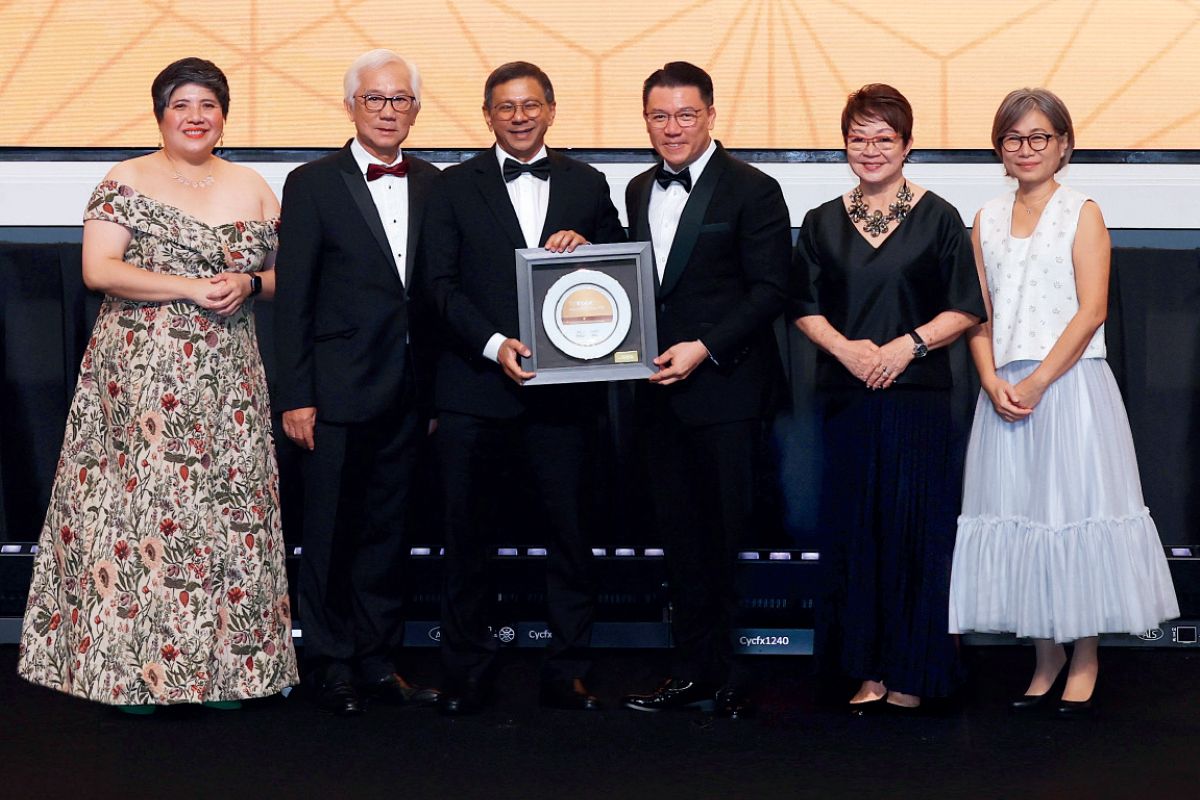
This philosophy also underpins his response to receiving The Edge Malaysia Outstanding Property CEO Award at The Edge Malaysia Property Excellence Awards 2026. Rather than seeing the recognition as a personal achievement, he credits his colleagues, shareholders, chairman and family for their support through challenging periods.
From finance to property
Before joining BRDB, Christopher spent about a decade at various accounting firms, working in accounting, audit, assurance, tax and consultancy. Trained in finance and accounting, he pursued his professional qualifications through an apprenticeship and articleship route, including those of the Association of Chartered Certified Accountants and the Malaysian Institute of Certified Public Accountants.
His professional background gave him a grounding in financial discipline, compliance, governance and cash-flow management. These skills would later prove important as he took on broader operational responsibilities and, eventually, the leadership of the property group.
His work also exposed him to the property and construction industries, which had interested him even before he entered property development.
His move to BRDB came about when the company was expanding into Pakistan in 2006. At the time, he was working for another corporate company with overseas operations, particularly in Pakistan, and was approached by BRDB chairman shareholder Datuk Seri Akbar Khan to join the group.
The move marked a shift from a professional career centred on finance and accounting to one that would involve a wider range of business decisions. For Christopher, the appeal of the property development industry lies in its capacity to create value beyond the physical structures being built.
“Although it seems like you are building buildings, you are actually creating places, memories and a future for people to be in a community. I see beyond the bricks and mortar — I see lives, communities and spaces being reinvented for better use. Property is about creating a sustainable future, and that is something I want to be part of,” he says.
This distinction between accounting and development is important to him. While accounting deals largely with events that have already taken place, property development requires looking ahead, requiring decisions that shape spaces and serve people over the long term.
Navigating a period of change
Christopher’s career progression coincided with a period of significant change for BRDB, with each new role bringing a different set of responsibilities. He rose from senior manager in finance to chief financial officer (CFO) in 2013, before becoming group CEO in 2023.
“Finance taught me discipline and cash-flow management, and my subsequent operational responsibilities exposed me to execution, procurement, costs, quality and processes. Leadership, meanwhile, taught me how to bring people together and work towards a common objective,” he says.
The company was delisted and privatised in 2012. By 2013, when Christopher was serving as CFO, the group faced a strategic question: Where would its next phase of growth come from?
BRDB had established its presence in Bangsar and Bukit Bandaraya, Kuala Lumpur, but its land bank in Bangsar was dwindling. With projects on its remaining land nearing completion or launch, the group faced a question about its future direction.
“That was a difficult time. Because what’s next?” he recalls.
The answer was to look beyond its established locations and expand into the wider Klang Valley. Maintaining the brand’s relevance while extending its reach into new locations became an important part of the business strategy.
BRDB subsequently moved into areas such as Puchong, Seri Kembangan, Subang and Rawang in Selangor, while continuing to explore opportunities in Johor.
Christopher estimates that BRDB has 600 acres of land bank in the Klang Valley and Johor, with less than five acres remaining in Bangsar.
Meanwhile, the transition from a listed to privately owned company also presented a different set of challenges — BRDB continued to compete against much larger players in the property market.
Christopher’s progression through finance, operational responsibilities and leadership gave him different perspectives on these challenges. His financial training provided a basis for managing costs and cash flow, while his exposure to operations helped him understand the importance of execution, procurement and quality. As group CEO, he has had to bring these considerations together in making decisions for the business.
He was subsequently entrusted with leading the property development business in the post-Covid-19 period, another challenging chapter for the group. He credits the people around him for helping BRDB navigate the uncertainty.
Among the achievements he highlights is the completion of two projects in New South Wales, Australia, during the pandemic.
“Doing overseas projects during that time was challenging. The system in Australia is also quite different. Although pre-sales are allowed, you have to build before you can collect the money. Cash-flow management is therefore very important. My training in finance helped me manage and monitor cash flow,” he says.
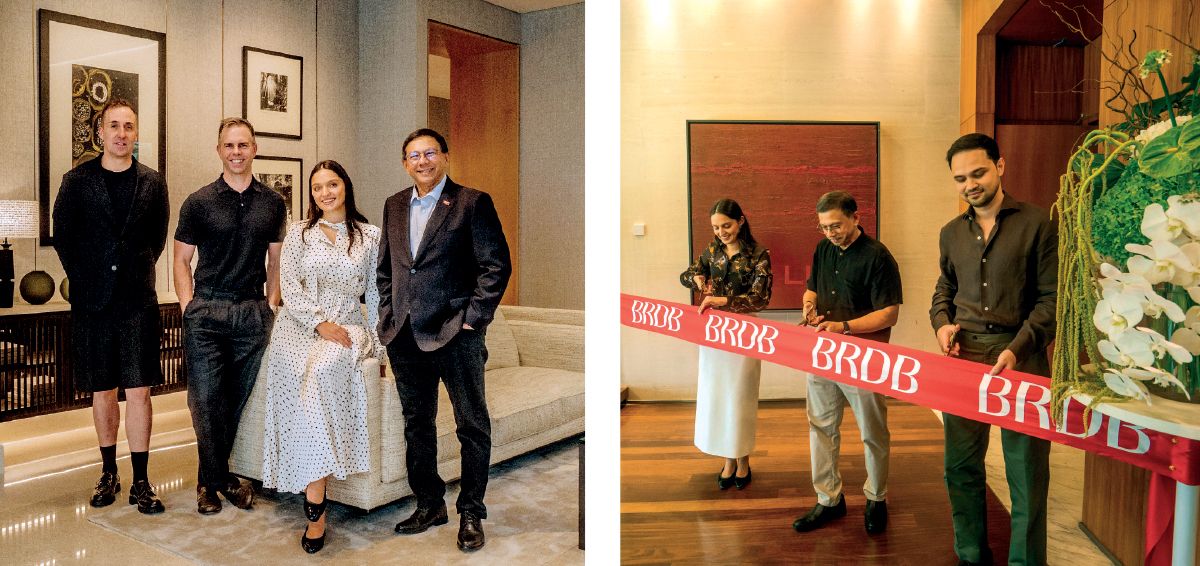
Closer to home, BRDB has also been considering how its developments can remain relevant to younger generations. Eden Taman Duta in Kuala Lumpur, launched early this year, represents part of that effort.
Located outside Bangsar, the development reflects the company’s move towards other strategic locations. The task now is to make the most of its land bank while ensuring that its projects respond to changing buyer needs and expectations.
Integrity, courage and humility
For Christopher, the principles guiding his professional life are closely connected to his faith. His approach to leadership rests on three qualities — integrity, courage and humility — with stewardship serving as the principle that brings them together.
Integrity, he says, is about consistently doing the right thing, regardless of the circumstances. Trust cannot be demanded; it must be earned through behaviour and actions over time.
Courage, meanwhile, is not necessarily about making bold public statements or having every answer. Rather, it is about remaining calm in difficult situations and making decisions even when not all the variables are known.
It also means accepting responsibility for mistakes.
“Courage is to say ‘sorry’ quickly,” he says, adding that acknowledging a wrong decision and learning from it are essential to moving forward.
Humility is the third quality. For him, it means remaining grounded, listening to others and recognising that no one has all the answers.
These qualities shape his management style, which emphasises listening, reflection and involving people in decision-making. He prefers to persuade rather than impose his views and is prepared to reconsider a decision when presented with a better argument.
He believes this approach allows people to contribute to a common objective rather than simply follow instructions. It also requires a leader to remain open to perspectives beyond his own, particularly when dealing with difficult decisions.
At the same time, Christopher believes a leader must be willing to tell the truth, even when it is uncomfortable, while doing so with compassion. For him, honesty and consideration for others are not mutually exclusive; both are necessary in building relationships within an organisation.
Trust, he says, is fundamental to the relationship between management and employees. Once trust is broken, it becomes difficult for a team to function effectively.
His emphasis on integrity, courage and humility is closely tied to his view that a leadership position is a responsibility held in trust. The authority that comes with the role, in his view, should be exercised with an awareness of its impact on others and on the organisation’s longer-term interests.
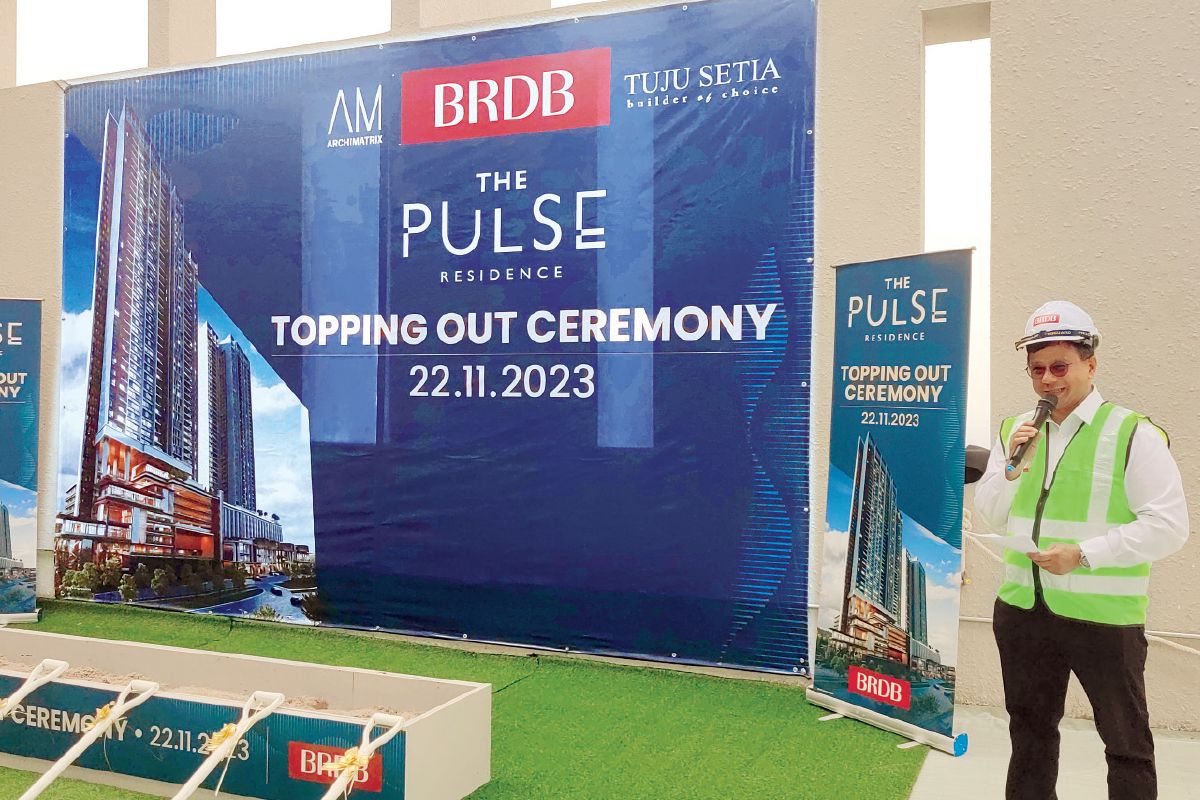
Passing on a legacy
Looking ahead, Christopher’s priority is to ensure that BRDB remains in good hands beyond his tenure. Founded in 1964, BRDB’s legacy extends beyond any one individual. Many have shaped the company over the decades, and he sees his role as building on their work rather than claiming it as his own.
“As I carry out this stewardship, I hope and pray that I will pass the company on to the next generation in a better state than when I received it. The role is not something you own; it is about making sure the next generation inherits something better,” he says.
“If I can do that, BRDB will thrive for many more years. My role now is to steward the company well, mentor the next generation of family members and pass it on to them. I hope they will take what I give them and make it better.”
His view of stewardship places the emphasis on continuity: The leader’s tenure is one chapter in the history of an organisation, and the responsibility is to contribute to its future rather than focus solely on achievements during one’s own time in office.
Meanwhile, he also tries to be fully present wherever he is — whether at work, with his family or in his role as a bi-vocational pastor. He acknowledges that there is no perfect balance between these responsibilities, but says the support of his wife, children and extended family has been important throughout his career.
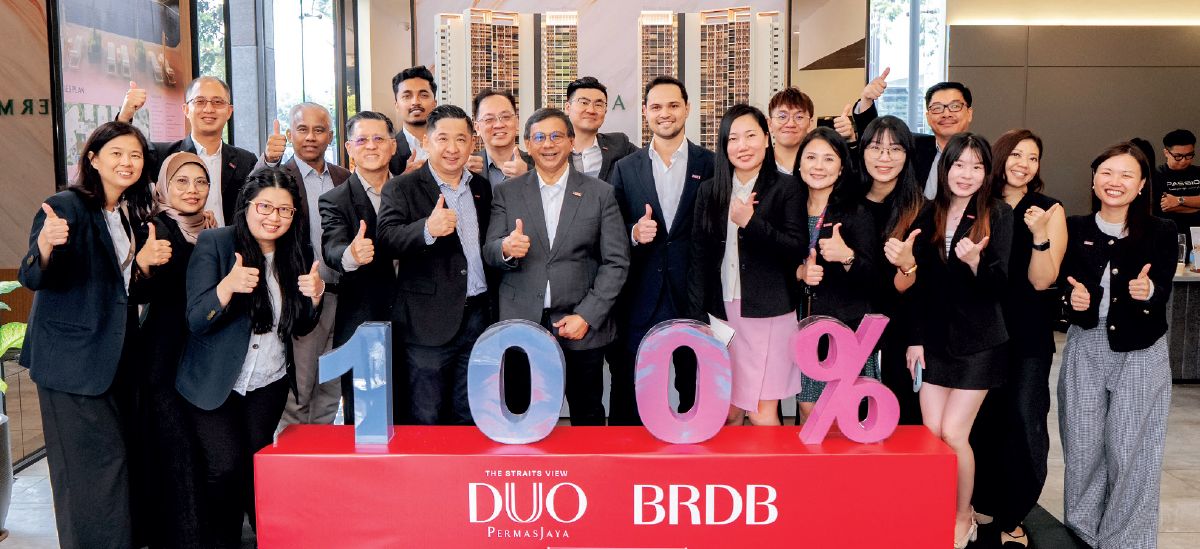
He describes life as a tapestry woven from experiences of joy, grief, struggle and achievement. And, rather than viewing professional responsibilities in isolation from the rest of his life, he recognises that experiences outside the workplace also shape how he understands people, responsibility and the decisions he makes.
“I use the word ‘tapestry’ because life includes ups and downs, pain, joy, laughter, grief and good moments. You cannot compartmentalise these things; they are intertwined with one another. You cannot say work is work and family is family, because everything is intertwined. If you look at life as a tapestry, you see the pain, struggles, joy and everything else together.
“In the end, I want my life to be rich and beautiful. I know I am not perfect, but even with all the imperfections, I still believe life can be beautiful.”
For Christopher, a CEO’s role is not simply to deliver results during one’s tenure, but to make a contribution that will outlast it.
Save by subscribing to us for your print and/or digital copy.
P/S: The Edge is also available on Apple's App Store and Android's Google Play.