

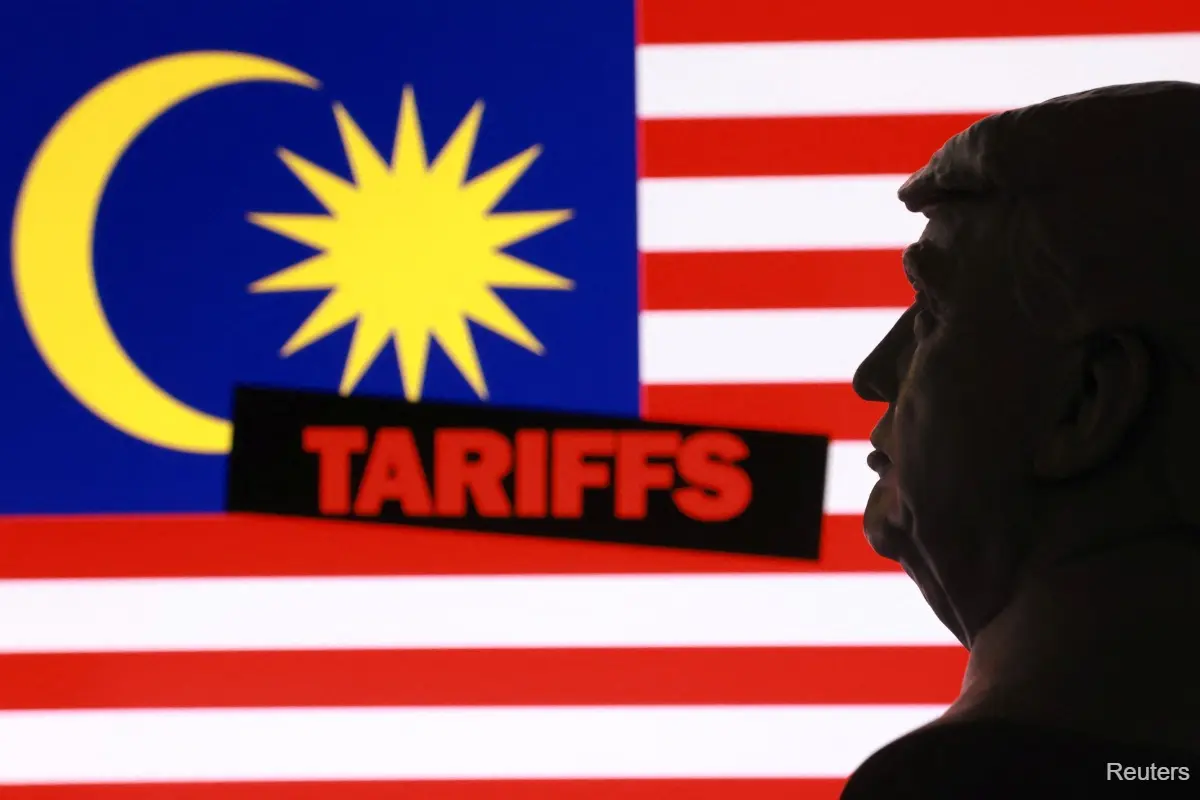
KUALA LUMPUR (Nov 26): The US is proposing to impose tariffs of up to 18% on Malaysian imports after a months-long federal trade investigation concluded that the country's industrial policies, state-backed financing, labour standards and trade ties with non-market economies contribute to global manufacturing overcapacity.
US Trade Representative (USTR) Jamieson Greer in a statement on Wednesday named Malaysia among 14 major trading partners — including China, the European Union, Japan, South Korea and several Southeast Asian neighbours — whose manufacturing practices were deemed "unreasonable" and a burden on US commerce under Section 301 of its Trade Act of 1974.
According to the pre-publication Federal Register notice shared in the statement, the proposed tariff on Malaysian goods will be calculated net of existing Section 301 tariffs — with exemptions for certain goods.
The proposal also factors in existing national security tariffs under Section 232, ongoing consultations with Malaysia on matters at issue in these investigations and commitments relevant to certain acts, policies and practices addressed in the Agreement between the United States and Malaysia on Reciprocal Trade.
However, the USTR warned in the notice that it could raise the proposed tariff ceiling to up to 25% — also net of existing Section 301 duties — if ongoing consultations and Malaysia's commitments under the reciprocal trade agreement are deemed unsatisfactory.
Four core grievances
Washington is targeting Malaysia over government-backed efforts to expand manufacturing capacity, growing reliance on Chinese manufacturing inputs and investment, and labour practices that allegedly suppress wages and distort competition, arguing that these contribute to structural excess production and undermine American manufacturers.
In its statement, the USTR cited four "unreasonable" acts, policies and practices by Malaysia:
1) Industrial and sectoral plans aimed at promoting production and exports
2) Preferential capital provided through national funding vehicles that target manufacturing sectors
3) Failure to address global excess capacity and production, including through imports and foreign direct investment from non-market economies
4) Inadequate labour protections
It concluded that these practices burden or restrict US commerce by:
1) reducing commercial opportunities for US producers and exporters in Malaysia and third-country markets
2) harming the US economy by contributing to lost production, exports, jobs and investment in the US manufacturing sector; and
3) increasing US economic security risks, including through reliance on non-market economy inputs, especially in sectors like information and communication technology and automotive.
According to Greer, decades of such strategies among US trading partners have eroded America's manufacturing base.
Exemptions and next steps
Under the notice, goods already subject to US national security tariffs under Section 232 will be exempted — such as steel, aluminium, copper, passenger and commercial vehicles and parts, wood products, patented pharmaceuticals and semiconductors — as well as certain agglomerated iron ores and non-commercial items like books, donations, and accompanied baggage.
Also exempted are specified raw materials and products that could cause US domestic supply shortages or wider economic disruptions if subjected to additional duties.
The USTR initiated the probe on March 11 and held bilateral talks with the Malaysian government on May 12, but the discussions failed to resolve Washington's concerns.
The USTR is seeking public comment on the proposed action in the investigation and will hold a public hearing in Washington on Jan 25, 2027. Written comments and requests to appear at the hearing are due by Jan 5.