

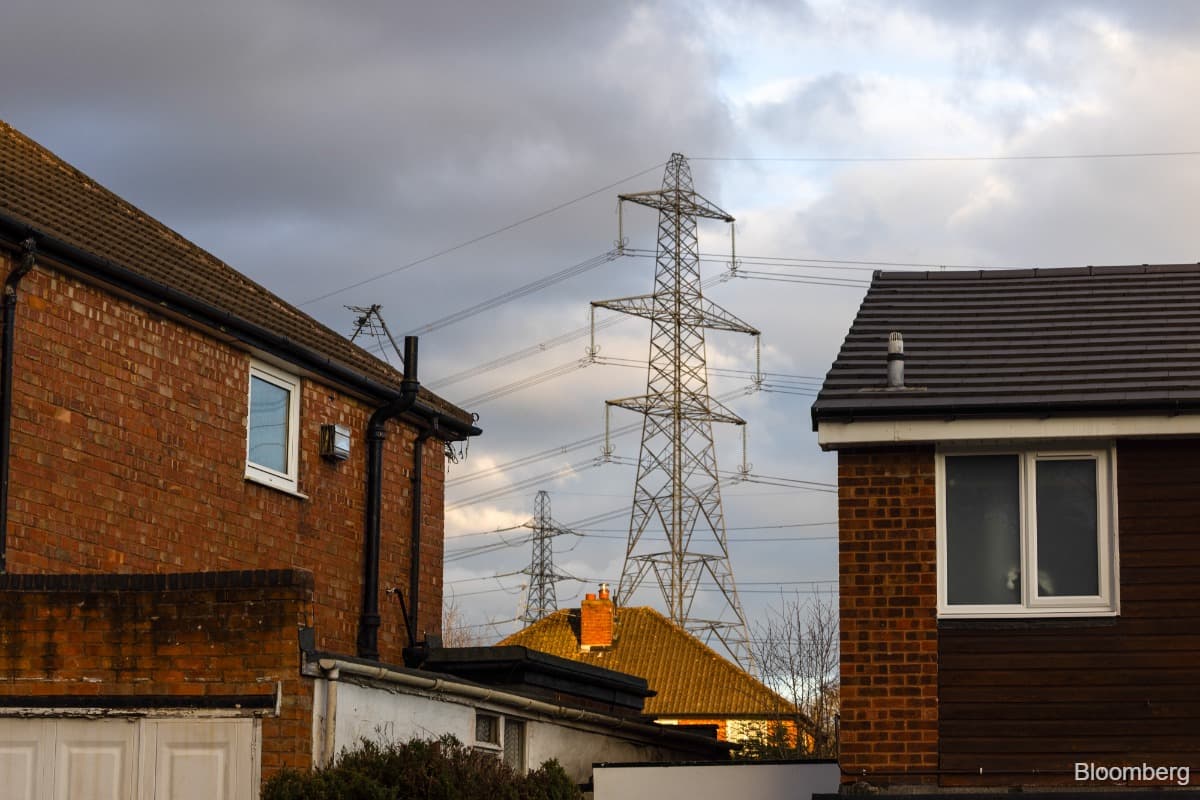
(Nov 25): UK households are set for a sharp rise in energy costs in January as the Middle East war pushes up wholesale gas and electricity prices, with winter demand adding further pressure.
Ofgem’s price cap, which limits how much suppliers can charge consumers per unit of energy, will rise 26% to £2,166 (RM11,663) from Jan 1, the watchdog said in a statement on Wednesday (Nov 25).
The increase adds to the cost-of-living squeeze as the war in Iran pushes up inflation and borrowing costs across the economy. It also threatens to erode government efforts to ease pressure on households while strained public finances leave ministers with limited room to cushion the blow.
UK Prime Minister Andy Burnham has sought to shield homes by cutting VAT on energy costs while ministers added further support in the October budget, including a £100 payment for millions of households. This latest increase risks swallowing up much of that relief.
Bills are set to rise even further in April, according to forecasts from energy consultancy Cornwall Insight Ltd. Wholesale energy prices have surged since the US-Iran war began earlier this year, with UK gas futures and power contracts more than doubling.
“For millions of people that equals cold homes, mounting debt and having to make impossible choices,” said Simon Francis, coordinator at the End Fuel Poverty Coalition.
The surge in energy prices has already pushed inflation to 3.6%, the highest level in a year. Officials raised interest rates in November for the first time in more than three years to prevent price pressures from spreading across the economy and markets expect another hike at the December meeting.
The price rise will start to feed through to the broader economy next year. The cap is fixed for three months, locking in higher energy costs through the winter and contributing to Bloomberg Economics’ expectation that inflation will accelerate further.
Higher prices for longer will deepen the strain on vulnerable homes that has persisted since the 2022 energy shock. Many households are already struggling to pay their bills and domestic energy debt reached a record £5 billion in the second quarter, almost double its level three years earlier.
Uploaded by Arion Yeow