

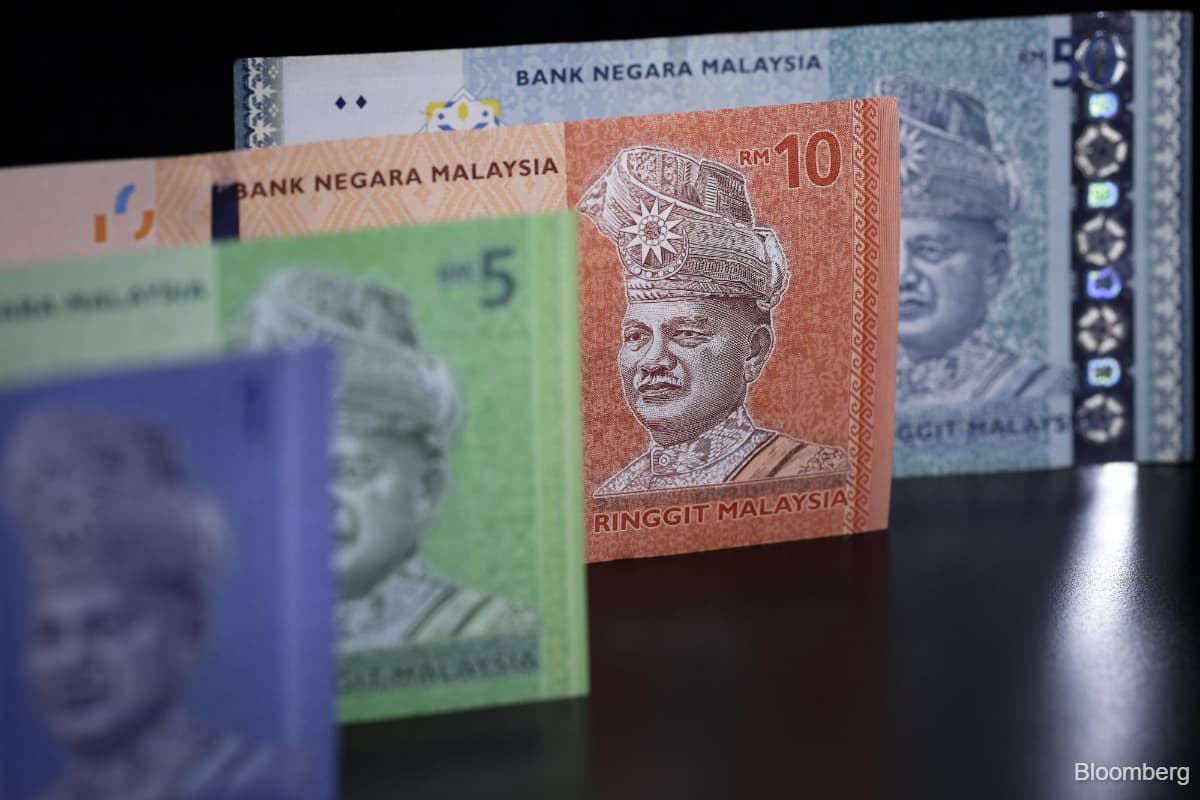
On Nov 3, the Finance Ministry told Parliament that Malaysia would strengthen cooperation with BRICS countries to encourage local currency transactions. According to the ministry, the potential benefits include lower transaction costs, better management of currency risks and greater financial resilience.
Malaysia became a BRICS partner country in January 2025, but much of the groundwork for local currency transactions was already in place.
China served as the starting point. A bilateral currency swap arrangement dates from 2009, and direct ringgit-renminbi trading began in 2010, with liquidity and clearing facilities developed subsequently. According to Bank Negara Malaysia (BNM), ringgit and renminbi settlement accounted for 25.4% of Malaysia–China trade in 2025, reaching RM68 billion, up from 1.2% in 2009.
Malaysia also established local currency settlement frameworks with Thailand in 2016 and Indonesia in 2017. Regional cooperation widened further in November 2026, when BNM and its counterparts in Thailand, Indonesia and the Philippines signed a new memorandum of understanding to boost local currency transactions.
Earlier, in August 2026, BNM and the People’s Bank of China renewed their currency swap for five years and enlarged it to 220 billion yuan (RM130 billion), from 180 billion yuan (RM110 billion).
Yet the US dollar continues to dominate Malaysia's overall trade payments. In 2023, for example, BNM's annual report recorded a dollar share of 82.1% of total trade settlement, scarcely different from 82.9% in 2009.
What has Malaysia gained from expanding local currency transactions, particularly ringgit-renminbi settlement? And what would it take for these arrangements to lower costs, improve currency-risk management and strengthen financial resilience?
Consider a Malaysian manufacturer importing machinery from China.
Suppose its Chinese supplier already invoices in renminbi. The manufacturer can ask its bank for a ringgit-renminbi quotation and compare the exchange rate and charges with other available payment arrangements. A favourable quotation may save money. Changing the payment route does not, by itself, change the currency it owes the supplier.
Now suppose the invoice is in dollars. The manufacturer also exports to the US, earns dollars and may have dollar loans. Where amounts and timing align, those dollar receipts provide a natural hedge against dollar payments.
Persuading the Chinese supplier to invoice in renminbi changes that relationship. The supplier must agree and may adjust its price. The manufacturer must then manage renminbi costs alongside dollar income and liabilities.
Nor does paying in renminbi guarantee cheaper conversion. Where direct currency markets lack liquidity, banks may find better prices through established dollar markets. A customer can settle in renminbi while its bank still uses dollars behind the scenes.
The manufacturer must therefore weigh the combined cost of payment, financing and managing currency risk. A favourable exchange rate may still be offset by higher financing or hedging costs.
BNM's Annual Report 2023 found that some Malaysian exporters preferred dollar settlement because their dollar income matched dollar debts. Multinational companies often centralise treasury operations in dollars, while commodity trade continues to rely heavily on dollar invoicing.
International financial markets reinforce these practices. Companies borrow and hedge in dollars, banks maintain dollar funding operations, and US government securities provide a vast pool of liquid assets. The dollar remains convenient even when neither party is American.
In the case of the renminbi, China's expanding commercial importance has encouraged wider use, yet restrictions on cross-border capital movements and access to Chinese financial markets continue to constrain its international role.
As more Malaysian businesses use ringgit, renminbi, baht, rupiah and peso, banks have stronger incentives to provide liquidity, develop currency markets and offer financing services. More active markets could improve pricing and attract additional customers, making these alternatives more useful to businesses.
But increased settlement does not necessarily mean that businesses are paying less. The benefits depend partly on competition among banks, the volume of transactions and the costs of providing currency services. These conditions can vary considerably between firms.
A large manufacturer can compare quotations from several banks and arrange hedging. A smaller exporter, with fewer banking choices, may depend on one institution and struggle to obtain affordable trade finance.
For such a business, another settlement currency is useful only if the exchange rate is competitive, payments are dependable and working capital is available. The quality of banking services may matter more than the currency itself.
Nor do local currency settlement frameworks insulate the broader economy from financial shocks.
The country could settle considerably more trade in regional currencies and still experience a sharp ringgit depreciation if international investors withdrew funds from Malaysian assets. Banks and companies could face dollar funding pressures even while local currency payment channels continued operating normally.
Renminbi trade financing could nevertheless reduce the need for dollar funding in bilateral trade with China. If this increased Malaysia's reliance on Chinese financial institutions, however, some financial dependence might shift rather than diminish.
Malaysia's local currency arrangements have widened the choices available to businesses. Their value will depend on the prices, financing and risk-management services banks can offer, and on the circumstances of individual firms.
The dollar may remain dominant for years to come, even as regional currencies assume larger roles in trade. For Malaysia, the measure of progress is what businesses gain from those alternatives, not simply how much trade is settled outside the dollar.
Quah Boon Huat is a former sovereign credit rating analyst and policy analyst.