

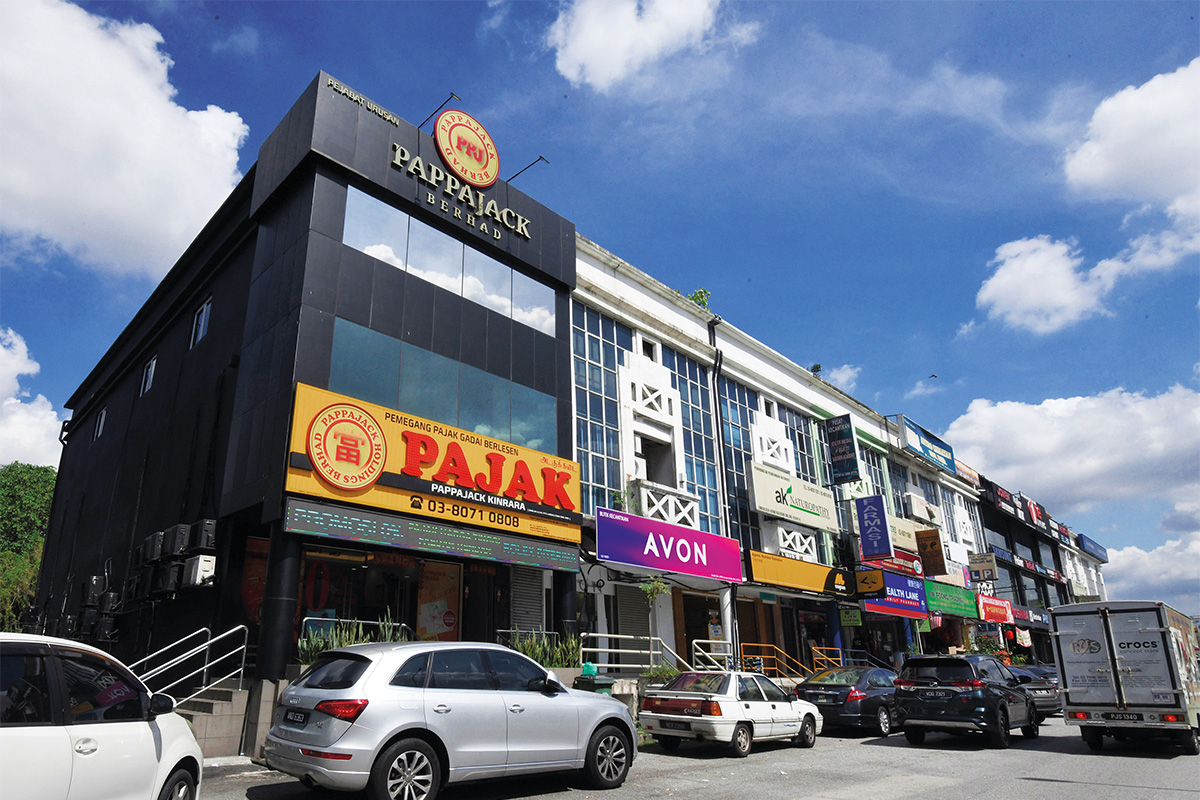
KUALA LUMPUR (Nov 23): Pawnshop operator Pappajack Bhd’s (KL:PPJACK) third-quarter net profit rose 6.8% from a year earlier, as revenue surged on higher pawnbroking interest income from a larger pledge book, and increased sales of unredeemed or bid pledges.
Net profit for the three months ended Sept 30, 2026 (3QFY2026) rose to RM8.61 million from RM8.06 million a year earlier, Pappajack’s bourse filing showed on Monday. Revenue surged 43.9% to a record RM46.99 million from RM32.65 million a year earlier.
Profit growth was partly offset by higher borrowing costs as the group drew more funds to finance its growing pledge book, and tighter disposal margins.
Gross profit margin narrowed to 39% from 43.5% a year earlier, as gold price volatility compressed the spread between unredeemed pledges and their carrying value, squeezing margins on such sales.
The group declared a third interim dividend of half a sen per share, payable on Jan 29, 2027.
For the nine months ended Sept 30, 2026 (9MFY2026), Pappajack's net profit grew 22.7% to RM26.2 million from RM21.35 million, while revenue increased 23% to RM122.16 million from RM99.31 million a year earlier.
Looking ahead, Pappajack said the pawnbroking industry continues to provide an accessible source of short-term, collateral-backed financing for individuals and small businesses, and that demand for the group's services is further supported by sustained gold price levels, which underpin pledge valuations and contribute to favourable outcomes on the disposal of unredeemed pledges.
Its board remains cautiously optimistic on the group's outlook for the remainder of FY2026, while focusing on growing its pledge book, maintaining cost discipline, managing risks linked to collateral valuation and gold prices, and optimising its funding mix as the business expands.
Pappajack’s share price closed half a sen or 0.56% lower at 89 sen, giving the group a market capitalisation of RM683.7 million. According to AskEdge data, the company is currently trading at the highest price-earnings ratio (PER) among its peers at 21.2 times.