

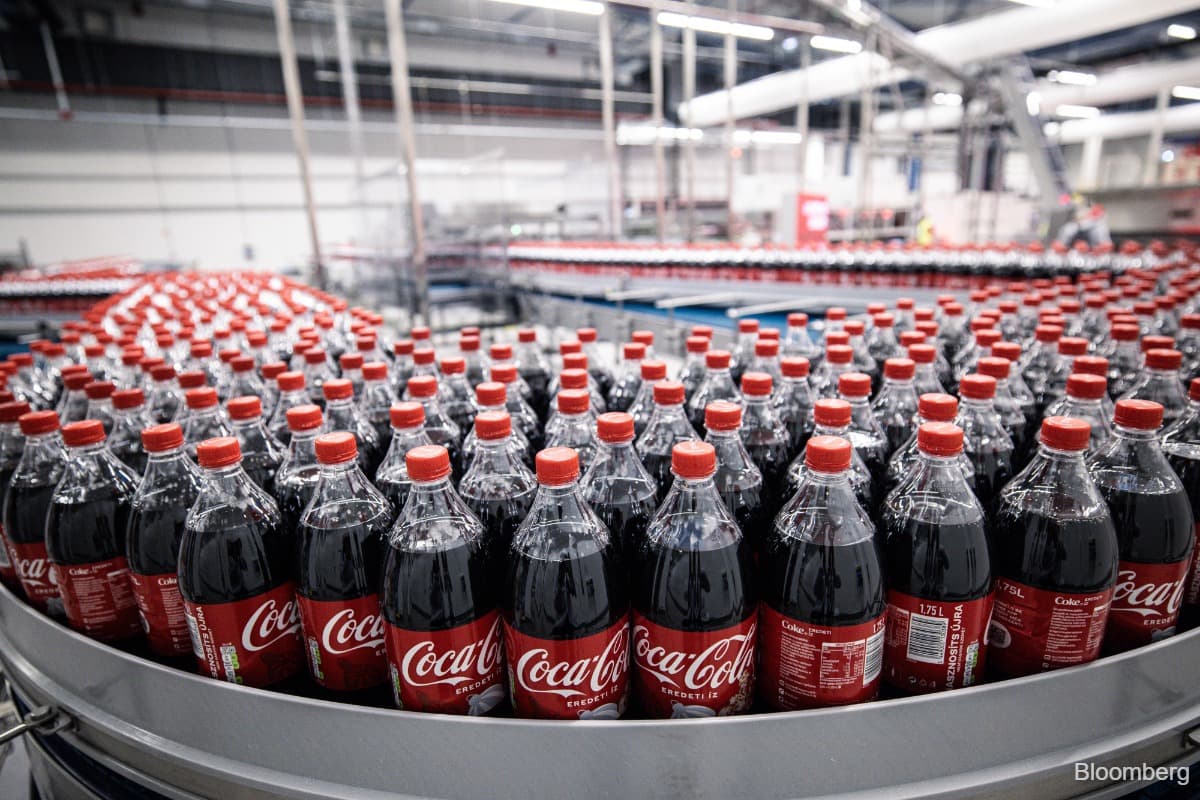
KUALA LUMPUR (Nov 23): Coca-Cola Europacific Partners plc, a bottler of soft drinks including Coke, has been hit by a formal European Union antitrust investigation over fears it may have illegally carved up EU markets.
The Brussels-based European Commission said it suspects CCEP abused its dominant position in the wholesale supply of carbonated soft drinks and sports drinks to off-trade customers by stymieing the cross-border trade of its drinks and blocking wholesale customers from negotiating deals across the 27-nation bloc.
“We are investigating” whether UK-based CCEP “has been putting barriers between national markets, making it harder for retailers to buy products across borders and secure better deals,” EU antitrust chief Teresa Ribera said in a statement Monday (Nov 23).
Coca-Cola Europacific Partners said in a statement that as “a company with a long-standing presence across Europe” it takes “competition law very seriously” and it’s engaging fully with Brussels regulators.
In March 2025, the commission announced it was carrying out inspections at the premises of unidentified companies active in the non-alcoholic drinks sector in several member states. Bloomberg News later reported that Coca-Cola bottling sites were targeted as part of the raids.
CCEP is controlled by Spain’s Daurella family, with The Coca-Cola Company as a minority shareholder.
Penalties for breaches of the bloc’s competition rules can reach as high as 10% of global annual revenue. But at this stage, however, there is no suggestion of guilt and there is no legal deadline for the conclusion of the commission’s investigation. Regulators often drop probes if their initial concerns can’t be backed up.
Tough stance
That also happened with Coca-Cola — maker of global drink brands also including Sprite, Fanta and Monster. The Brussels-based commission in 2023 decided to close a preliminary investigation into the company and its bottling units over fears the firm abused its dominance by granting a series of conditional rebates to retailers, with the goal of hindering competition.
Before then, the company was under scrutiny from the EU over — among other things — exclusivity and rebate agreements with customers. That case was eventually closed, with Coca-Cola agreeing to a series of commitments that appeased the EU’s concerns.
The commission has historically taken a tough stance on firms found to be carving up parts of the supposedly single EU market to make higher profits by charging different prices and curbing competition in different regions.
Most recently in May 2024, Mondelez International Inc was fined €337.5 million (RM$1.52 billion) after it was found to have illegally thwarted cross-border sales of its chocolate, cookies and coffee.