

This article first appeared in The Edge Malaysia Weekly on November 16, 2026 - November 22, 2026
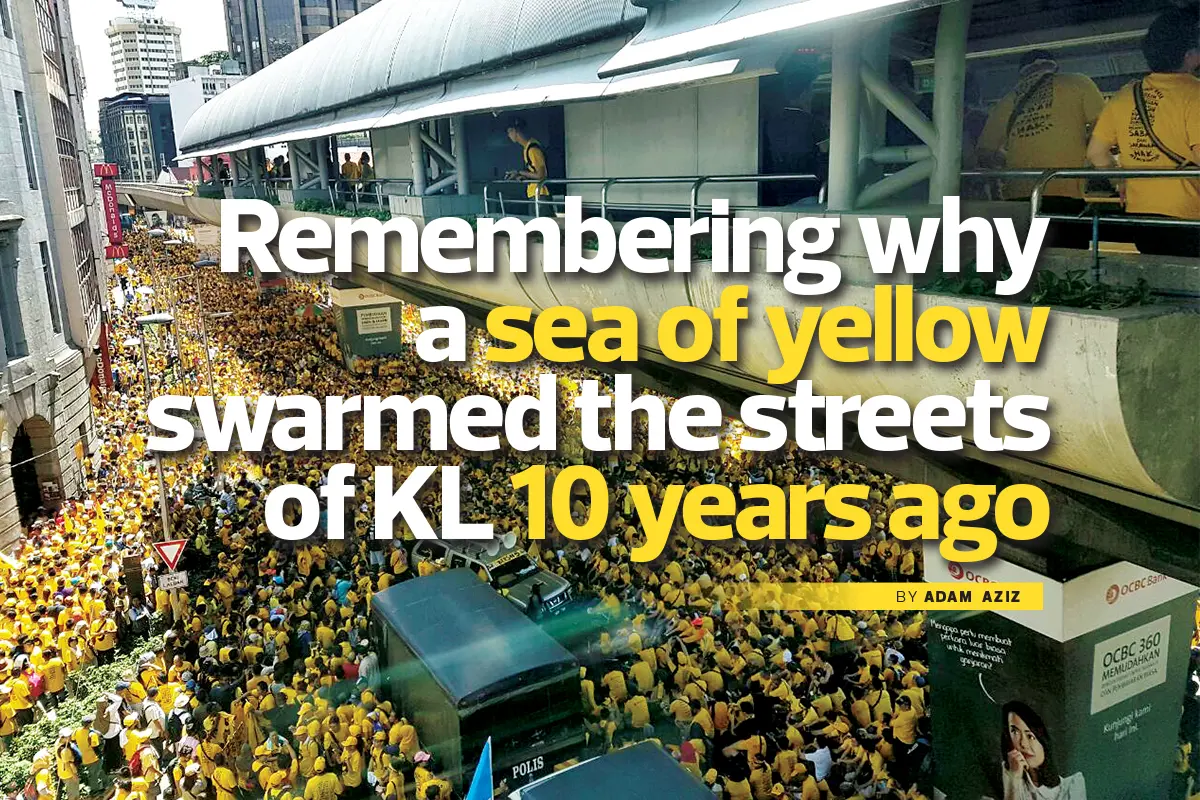
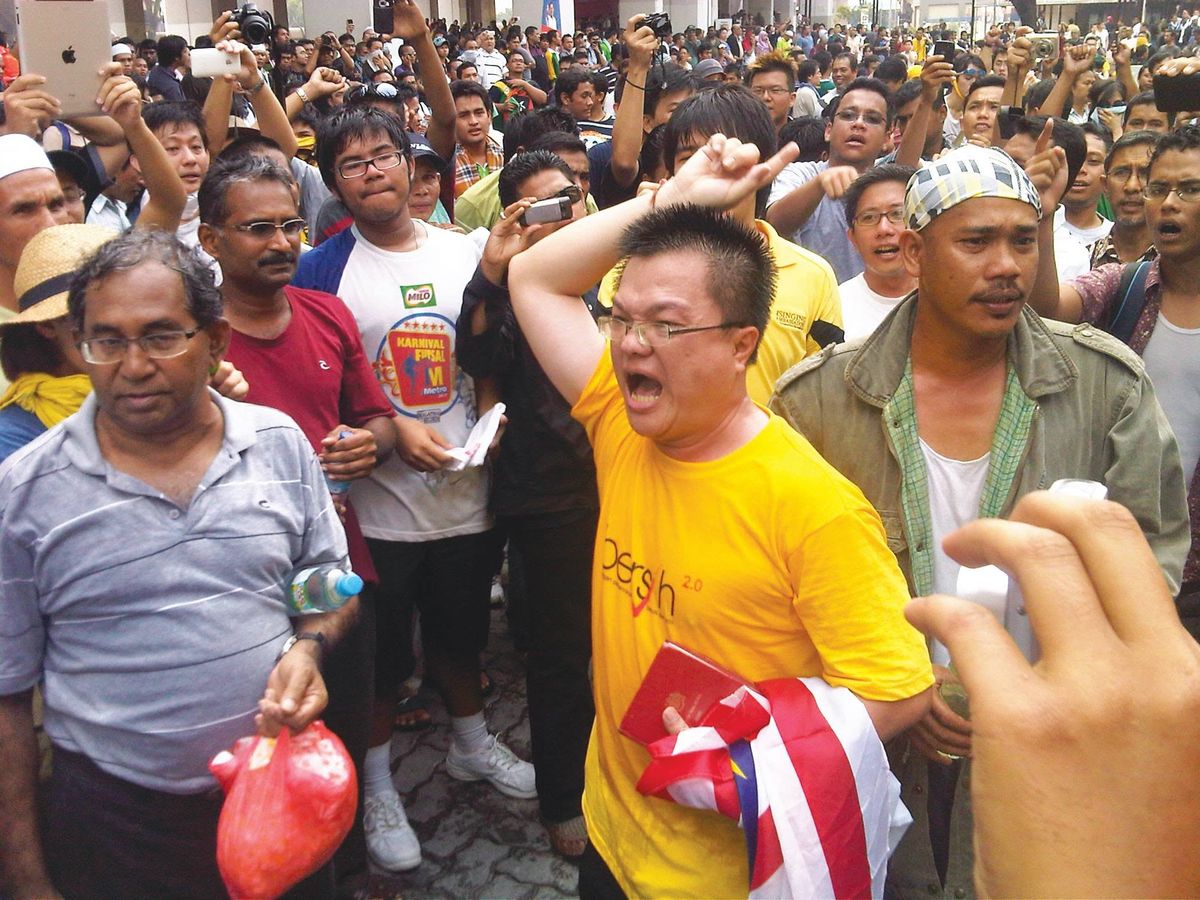
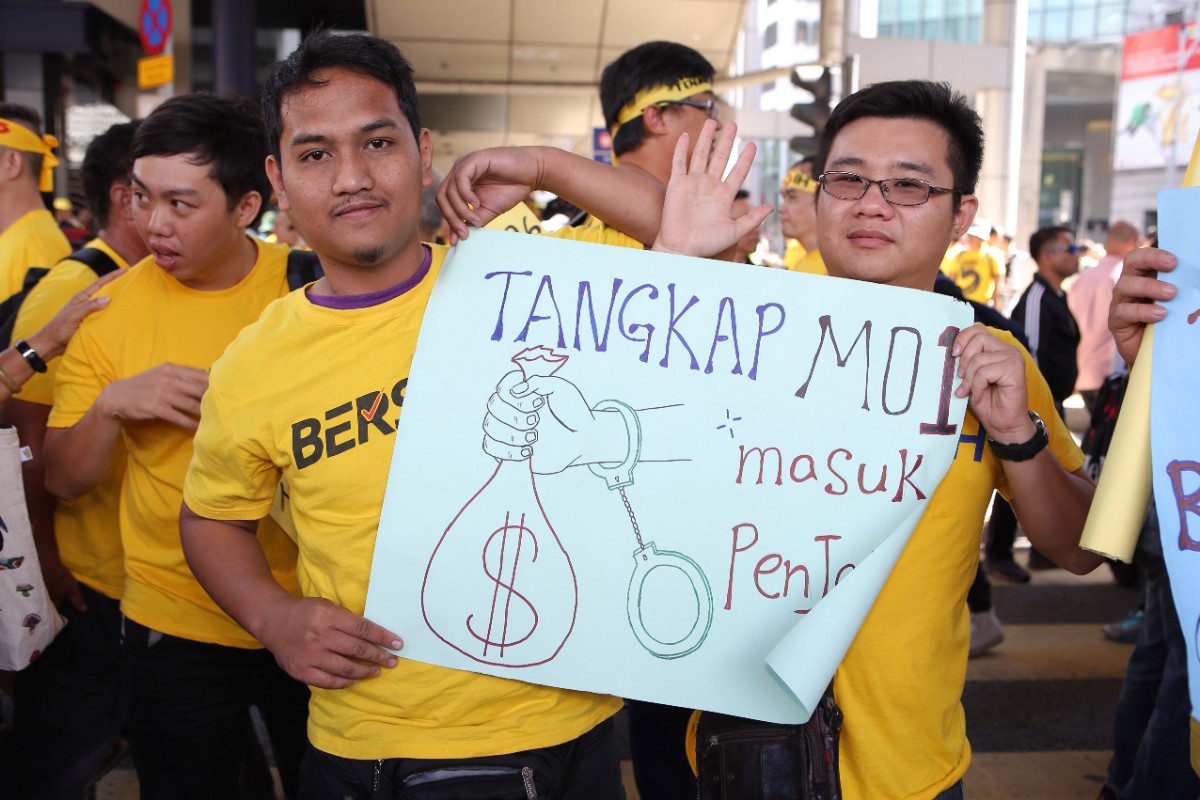
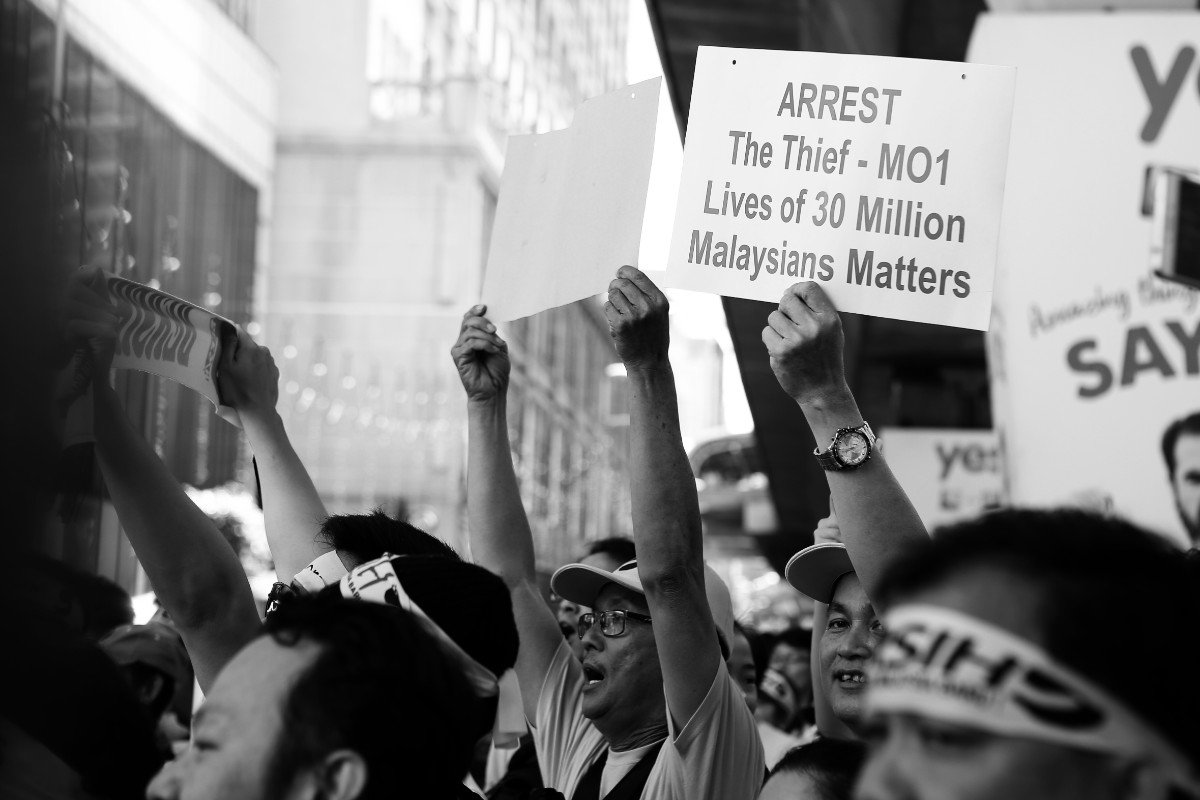
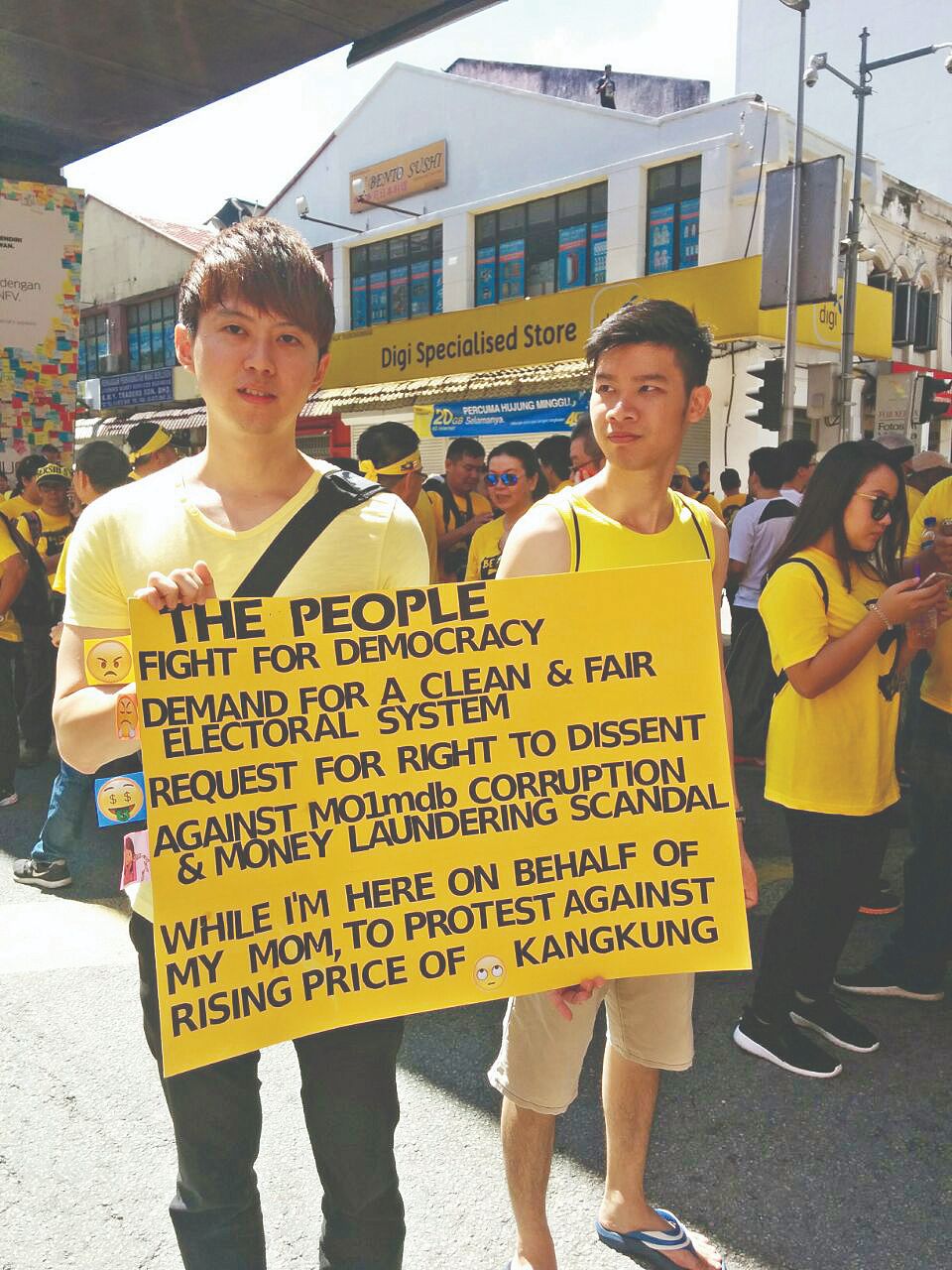
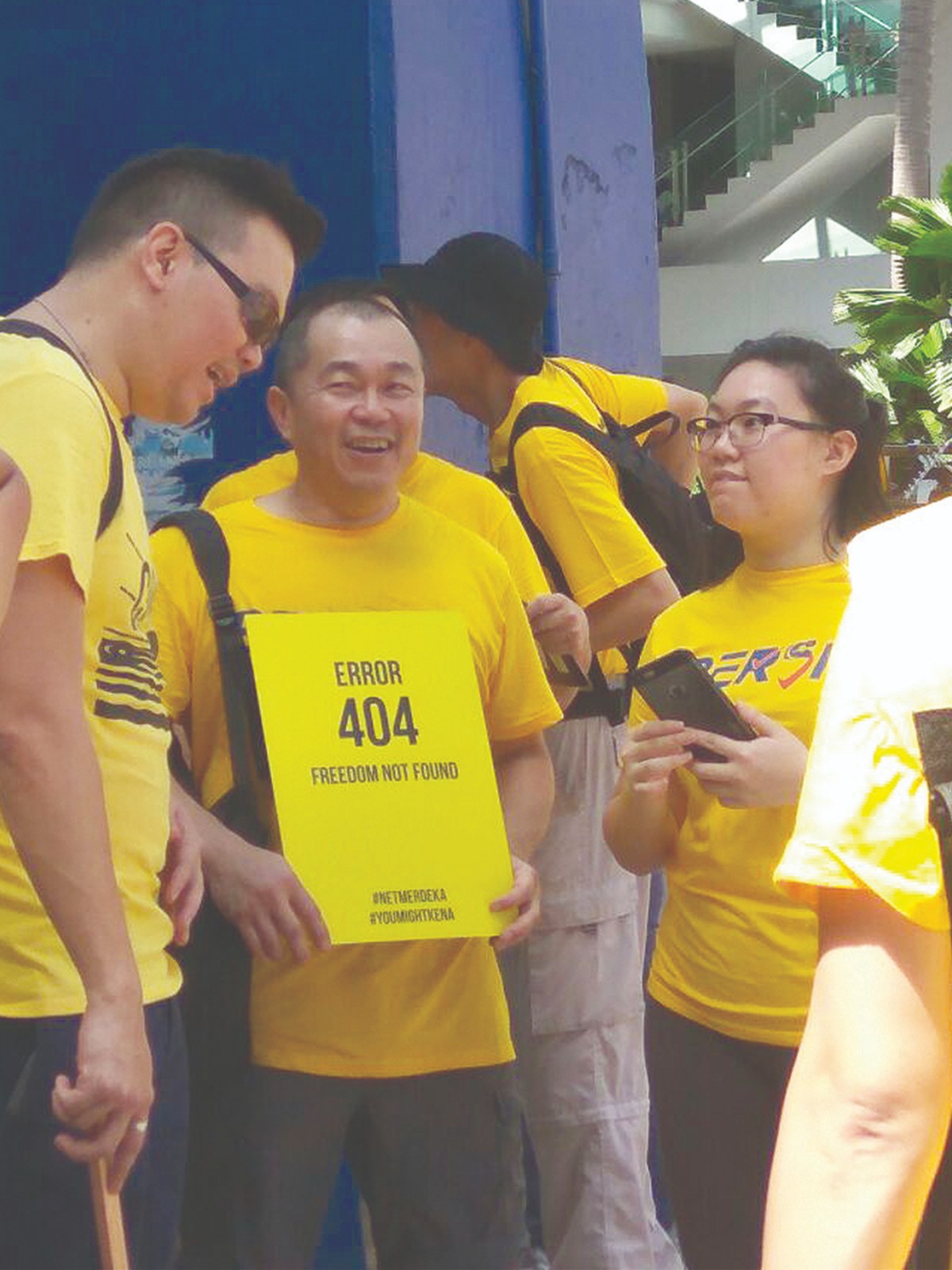
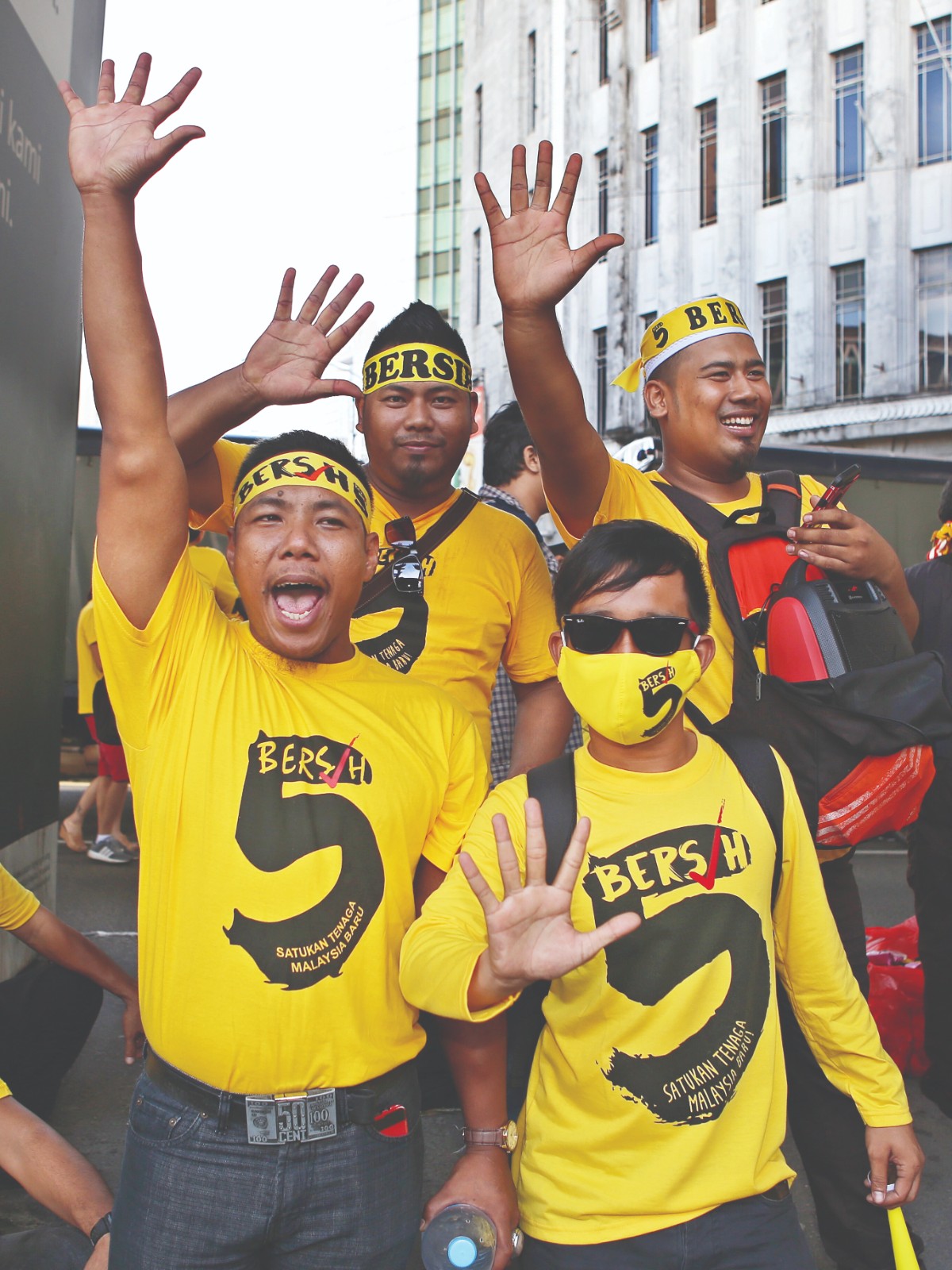
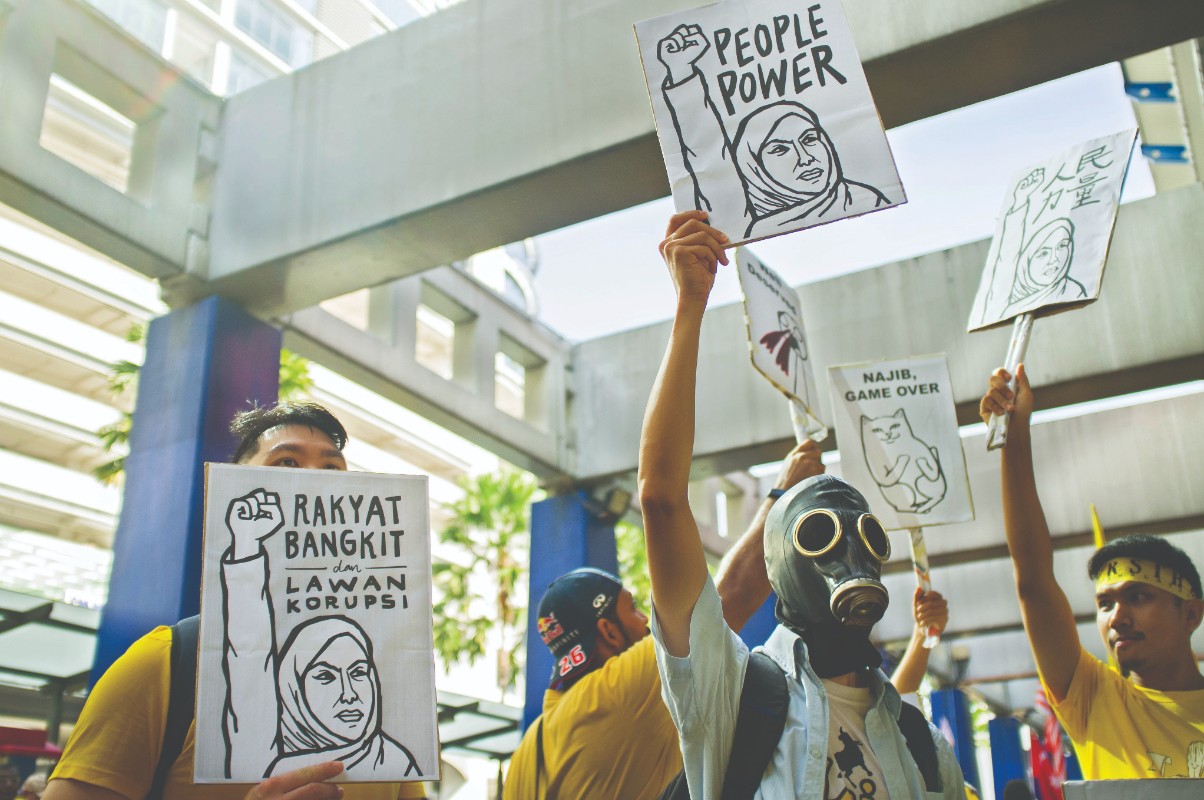
ON Nov 19, 2016, tens of thousands of Malaysians in yellow T-shirts converged on the streets around KLCC to demand the resignation of then prime minister Datuk Seri Najib Razak and an end to the kleptocracy that had made Malaysia a global byword for financial scandal. It was the last of five major street rallies organised by the Coalition for Clean and Fair Elections (BERSIH).
Last Tuesday, almost 10 years later, Najib walked out of Kajang Prison and back into his Langgak Duta bungalow to serve out the rest of a jail sentence under house arrest, overseen by a unity government led by the very reformists who once marched against him.
Between those two Novembers lies a turbulent arc of Malaysian politics: a historic 2018 election that ended nearly 61 years of Barisan Nasional (BN) rule, four prime ministers since Najib stepped down, a landmark corruption conviction. — together with two unprecedented partial royal pardons and house arrest — and a marriage of convenience that turned former bitter enemies into today’s uneasy coalition partners.
A nationwide campaign
The BERSIH 5 rally was the culmination of a nationwide campaign. Between October and November 2016, convoys visited 236 towns and villages, educating the public on electoral reforms, the democratic process and the 1Malaysia Development Bhd (1MDB) scandal.
The rally itself came months after the US Department of Justice filed civil forfeiture suits in July 2016 to recover more than US$1 billion in assets allegedly linked to misappropriated 1MDB funds, which fuelled calls for Najib to step down.
Najib was jailed on corruption charges involving RM42 million siphoned from SRC International Sdn Bhd, a subsidiary of 1MDB. However, his sentence was subsequently eased by two partial royal pardons.
The first halved his 12-year jail time and reduced his RM210 million fine to RM50 million and the second one allowed him to leave prison in November 2026 to serve the remainder of that sentence under house arrest upon settling the fine. The house arrest does not cover a separate 15-year prison sentence imposed on Najib in December 2025 in the 1MDB-Tanore corruption trial, which he is currently appealing.
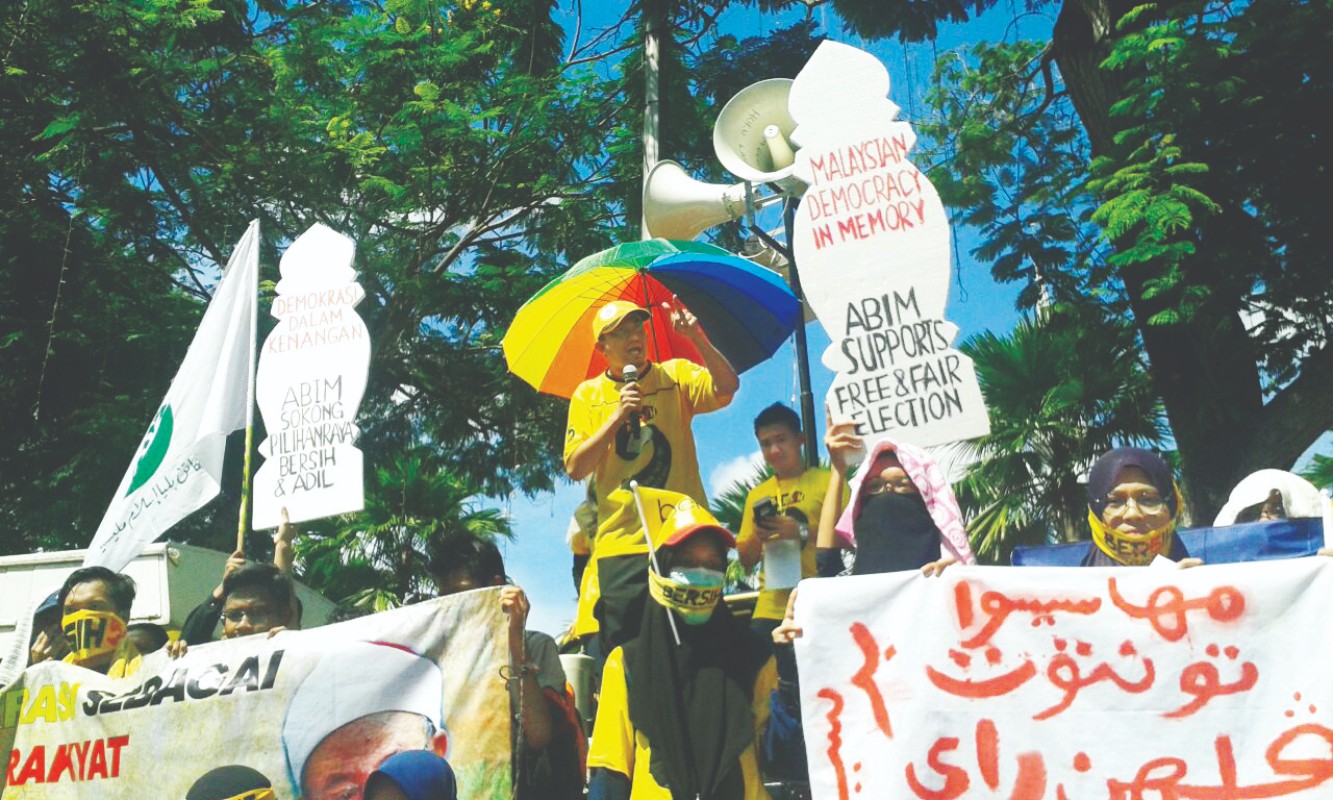
The organiser estimated attendance at the eight-hour BERSIH 5 rally at 120,000, below the 500,000 turnout claimed for BERSIH 4 that spanned 34 hours in 2015. Despite the smaller crowd, greater ethnic diversity, particularly increased Malay participation, reflected how awareness of the movement was cutting across demographics.
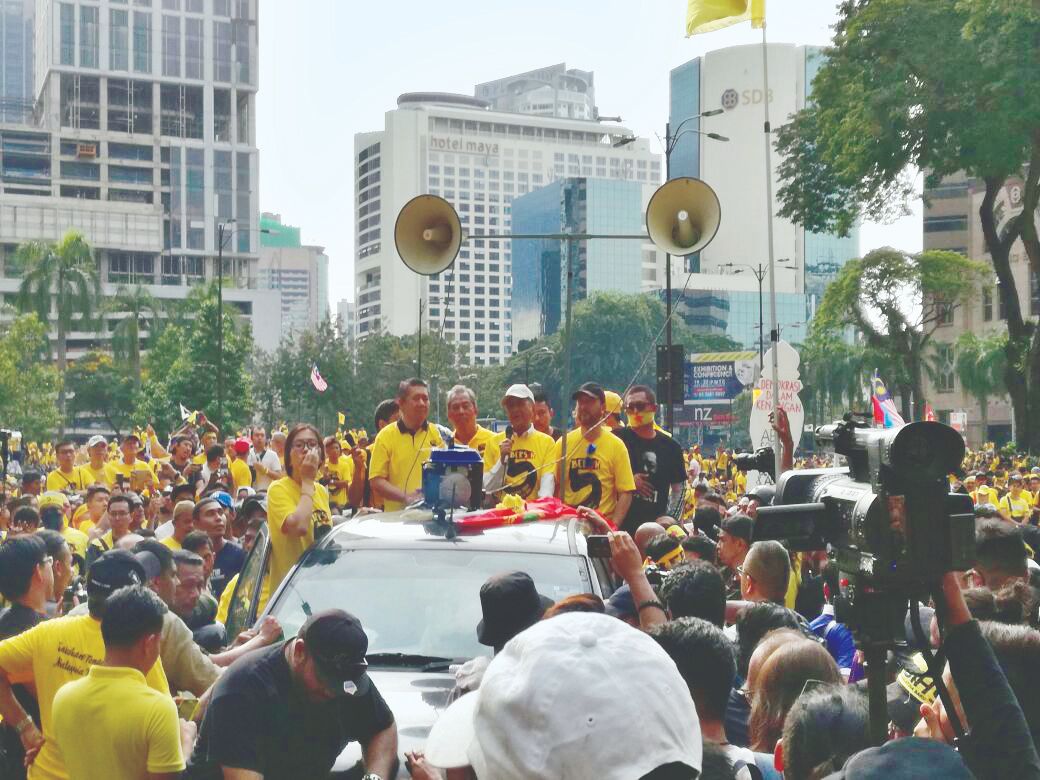
The gathering also unfolded amid major political realignments. Earlier that year, Tun Dr Mahathir Mohamad had resigned from Umno while Tan Sri Muhyiddin Yassin and Datuk Seri Mukhriz Mahathir were expelled. The trio went on to form Bersatu, which joined Pakatan Harapan in 2017 and helped oust BN the following year. All three attended BERSIH 5, alongside opposition figures.
Crackdowns and peaceful resolve

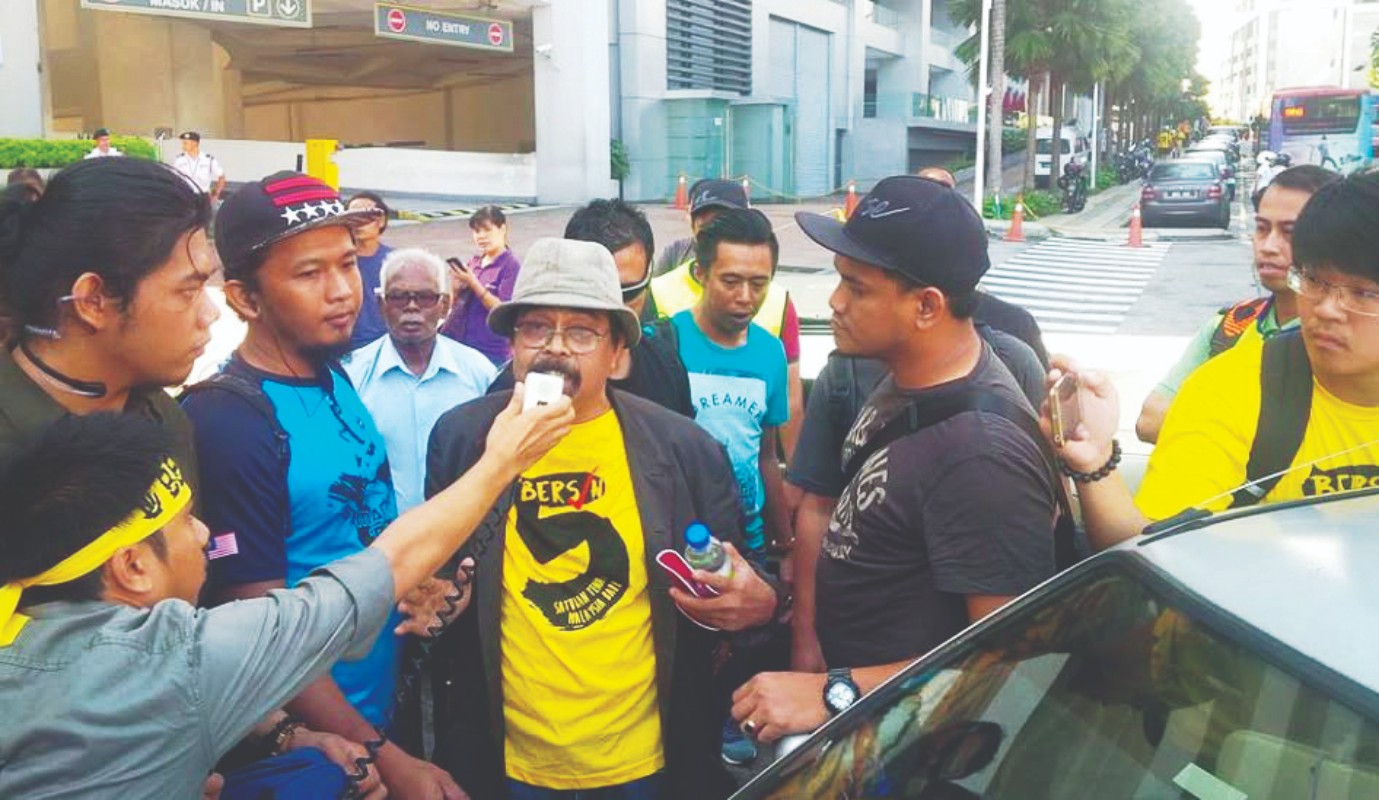
Ahead of the event, authorities launched a sweeping crackdown. On the eve of the rally, police raided BERSIH’s office and arrested chairperson Maria Chin Abdullah and secretariat manager Mandeep Singh. Committee member Hishamuddin Rais and student activists Mohamad Luqman Nul Haqim Zul Razali and Anis Syafiqah Md Yusof were also detained.
With Maria in custody, BERSIH deputy chairman Shahrul Aman Shaari stepped up to lead the crowd. Police barricades and restrictions forced organisers to divert the march from Dataran Merdeka to KLCC, where the rally concluded without violence, demonstrating that peaceful protests need not disrupt public order. Parallel peaceful gatherings were also held in Sabah, Sarawak and several cities overseas.
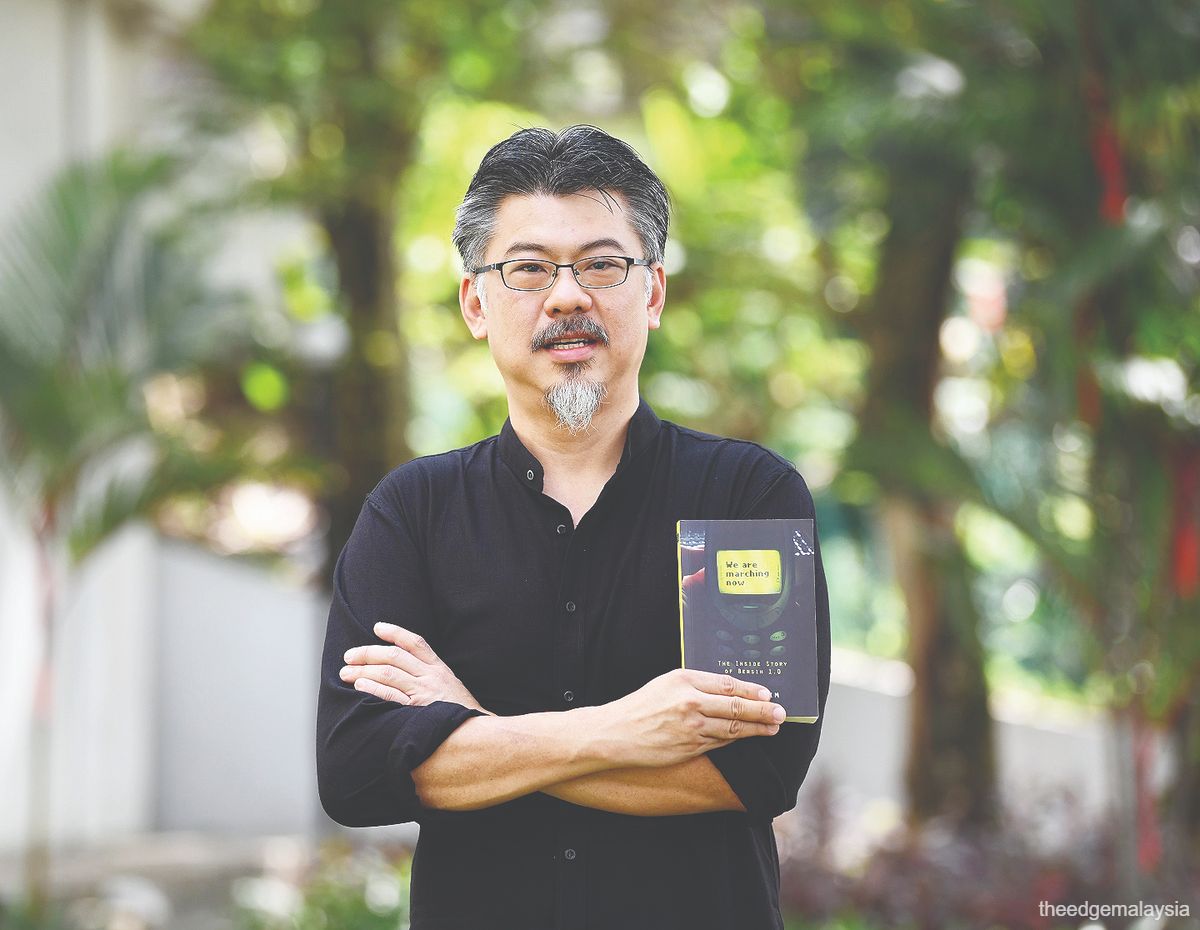
Danny Lim, author of We Are Marching Now: The Inside Story of Bersih 1.0, attended all five rallies and noted how the 2016 protest united unlikely allies.
“It marshalled together disparate multi-ethnic groups from liberal activists, Anwaristas, environmentalists, Islamists, DAP secularists and the old BN establishment — with Dr Mahathir even releasing a video to promote the rally alongside Muhyiddin Yassin — all marching to the same beat,” Lim recalls.
“It was unprecedented in how it could inspire such a broad-based coalition of historical rivals that ultimately contributed to breaking BN hegemony in 2018.”
A 20-year movement
BERSIH itself turns 20 on Nov 23.
Its first major rally in November 2007 helped put electoral reform on the national agenda ahead of the 2008 general election, when BN lost its two-thirds parliamentary majority for the first time since 1969.
“The country’s political landscape changed significantly in 2008,” current BERSIH chairman Muhammad Faisal Abdul Aziz recalls. “The people became increasingly aware of the government’s problems while many large-scale rallies were organised to amplify the voices and demands of the people, leading to several significant changes in national policies.”
Political analyst Bridget Welsh highlights BERSIH’s significance: “Without BERSIH, there would have been no change of power in 2018. BERSIH did three things — made electoral reform viable, levelling the playing field; brought communities across races together, leading to the forging of political alliances; and, increased political awareness in society at large.”
Changes BERSIH helped push for include the repeal of the Internal Security Act, that was replaced by SOSMA, and Section 27 of the Police Act, which was replaced by the Peaceful Assembly Act. The momentum generated by BERSIH also led the Election Commission to introduce transparent ballot boxes in 2008 and indelible ink in 2013.
BERSIH also advocated for lowering the voting age to 18, the automatic registration of voters and barring members of parliament from switching parties. These measures were implemented through amendments to the Federal Constitution in 2019 and 2022. The movement also pressed to free Parliament’s administration from the executive branch of the government, leading to the revival of the Parliamentary Services Act, which took effect in October 2026.Today, BERSIH’s continuing agenda includes fairer electoral boundaries, political funding transparency and stronger oversight of Election Commission appointments.
But BERSIH now faces a very different political landscape. Before this, its greatest strength was bringing together “what seemed completely contradictory political factions” when the political struggle was binary, explains Lim. “That binary is now gone — today’s politics is messy, atomised and multi-factional, with muddled boundaries and fickle loyalties. Everyone has been both an ally and an enemy at some point.
“As the memory of those rallies fades … it now functions as a much narrower lobbying force trying to navigate a landscape that no longer operates in black and white.”
Dr Wong Chin Huat, a BERSIH founding member, says the movement continues to play an important role in “calling for institutional reforms and criticising both government and opposition parties for anti-democratic behaviour”.
“However, as the political dynamics have shifted dramatically with fluid alliances and political fatigue, it has become much harder for BERSIH to organise another mega rally now. Mega rallies need widespread awareness and anger over what is wrong but currently we have not seen that in the leniency Najib is being irresponsibly showered with,” he says.
To Faisal, who has chaired BERSIH since December 2023, “there are still a lot of challenges ahead”, and BERSIH remains hopeful. “We hope the future generation will continue this fight” for clean and fair elections and to scrutinise and reform the democratic institutions that are necessary for the nation, he says.
Pictures by Bersih, 共赴709——Bersih 2.0 实录 / Facebook, Muhammad Faisal Abdul Aziz/Facebook, Ambiga Sreenevasan/X.com, ANTI/Facebook
Save by subscribing to us for your print and/or digital copy.
P/S: The Edge is also available on Apple's App Store and Android's Google Play.