

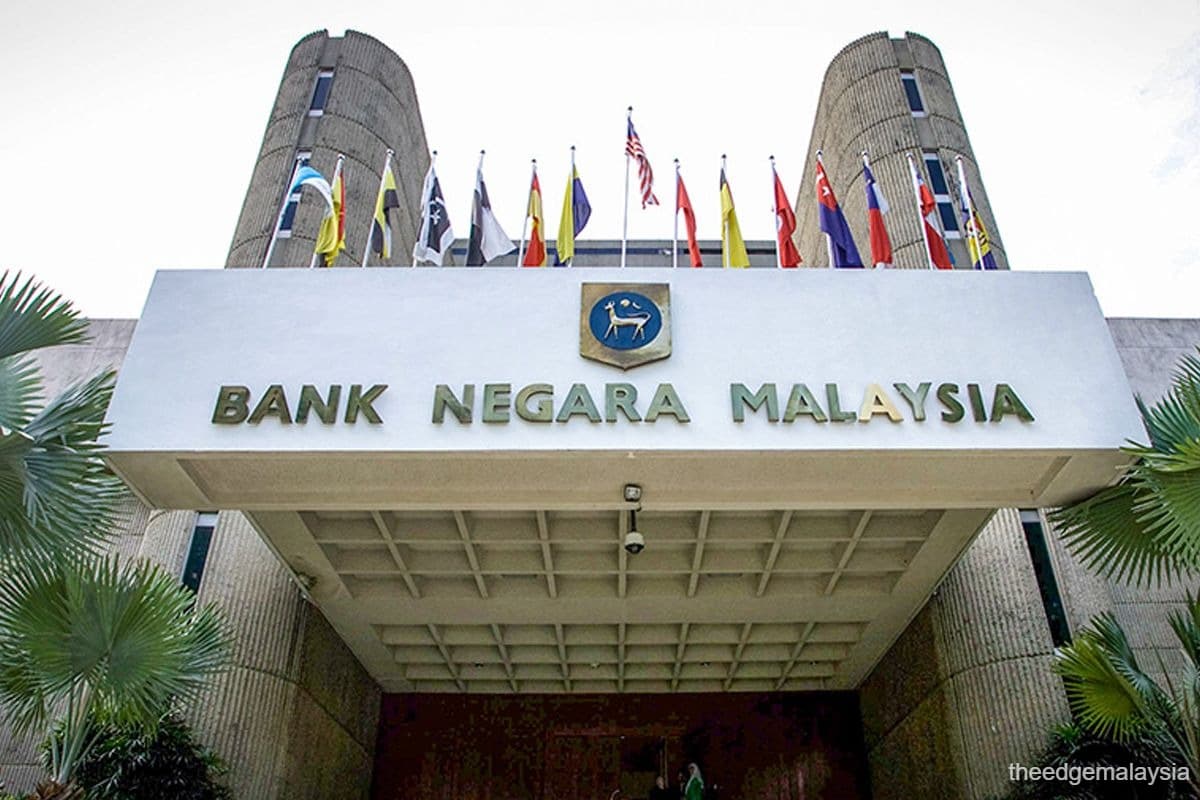
KUALA LUMPUR (Nov 18): Bank Negara Malaysia (BNM) expects Malaysia’s data centre investment momentum to remain strong until at least 2030, even as fresh US chip export restrictions raise uncertainties over the sector’s growth prospects.
BNM governor Datuk Seri Abdul Rasheed Ghaffour said it was too early to assess the impact of the US restrictions but pointed to Malaysia’s diversified base of data centre investors and sustained global demand for artificial intelligence (AI).
Of the 120 data centre companies in Malaysia, only 17 are Chinese companies while the rest are from countries including the US, Australia and Canada, as well as Malaysia, according to the governor.
“Based on our estimates of the ongoing and planned projects, the data centre investment momentum is expected to remain strong at least until 2030,” Abdul Rasheed said at a press conference announcing Malaysia’s third-quarter gross domestic product (GDP) figures on Wednesday.
“While there may be some reaction to these developments, we believe that the underlying demand is still strong,” he said.
Abdul Rasheed also pointed to the longer-term economic benefits of data centre investments beyond the construction phase, including the growth of information and communications technology (ICT) services exports and the creation of domestic economic linkages.
The US earlier this week announced new export controls requiring licences for shipments of certain advanced semiconductors to Malaysia, Singapore, Thailand, Indonesia and Brazil, in an effort to prevent the diversion of sensitive American technology to China.
The new rules, scheduled to take effect on Nov 19, also tighten restrictions on overseas data centre operators providing significant computing capacity to companies headquartered in China and other jurisdictions of concern.
“This is an example of the geoeconomic risks that we are facing, not just us, but everyone else globally as well. As far as Malaysia is concerned, as Miti (Ministry of Investment, Trade and Industry) has also said, we will continue to uphold rules-based trade, we are open for business, and our strategy is to serve everyone,” Abdul Rasheed said.