

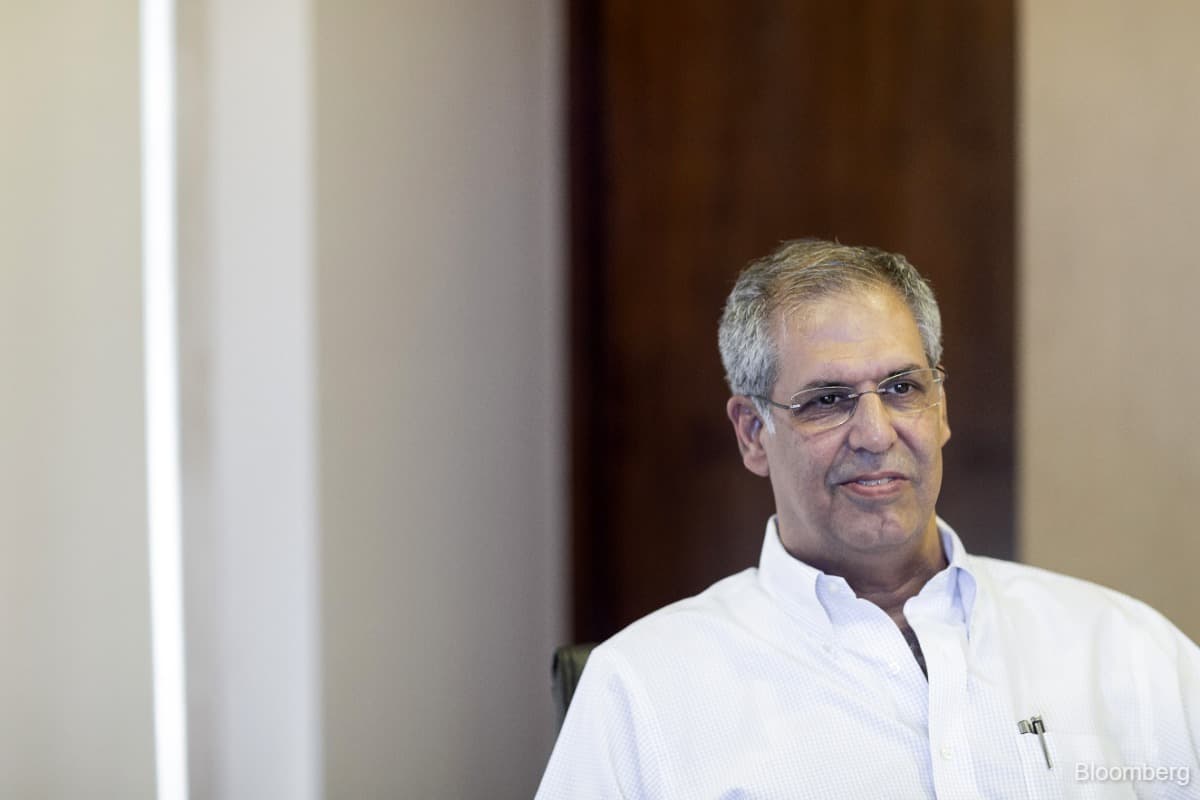
(Nov 15): Noel Tata, chairman of the trusts that control Tata Group, questioned whether some of the conglomerate’s biggest investments are being executed with enough discipline, deepening a dispute over capital allocation, control and a potential listing of its holding company.
The clash has widened as the group commits billions of dollars to semiconductors, aviation, electronics and electric-vehicle batteries, while the trusts that own 66% of Tata Sons Pvt resist a listing that would bring outside shareholders into the closely held parent. The dispute now reaches beyond succession and ownership to how a group generating about US$185 billion (RM755.47 billion) in annual revenue is funded, governed and run.
“The question is, do we have the discipline when we execute projects, and not the direction?” Tata said on Saturday at the Hindustan Times Leadership Summit in New Delhi. “How will projects with a long gestation period succeed if we don’t have discipline?”
Much of the expansion has been pursued under Natarajan Chandrasekaran, the professional executive who has led Tata Sons since 2017. A confidential analysis prepared by Tata Trusts and reviewed by Bloomberg News estimated that semiconductors, electronics and aviation would require more than two trillion rupees (RM86.64 billion) in additional capital.
The governance dispute widened after Tata Sons’ board backed Chandrasekaran for another five-year term on Sept 17 despite Noel Tata’s opposition. A spokesperson for Tata Sons didn’t immediately respond to a request for comment on his remarks about execution, capital allocation and a possible listing, sent over the weekend.
Tata companies generated about US$185 billion in revenue in the year through March and own businesses ranging from Jaguar Land Rover to Tetley tea. Tata Trusts owns 66% of Tata Sons, and profits from group companies ultimately help fund philanthropy.
That ownership structure has also allowed Tata Sons to support businesses through periods of weak returns or heavy investment. Noel Tata has argued that a public listing, and the arrival of thousands of outside shareholders, could make that model harder to sustain.
“My worry is that listing, which is what some people are proposing, will change the Tata way,” he said. With 30,000 to 40,000 shareholders, “profit may take precedence over philanthropy.”
Pressure to go public intensified after the Reserve Bank of India classified Tata Sons as an upper-layer non-banking financial company, a designation that carries listing requirements. The Trusts have opposed that outcome and explored a restructuring aimed at keeping the parent private.
Noel Tata said the Trusts remain “100% behind” investments in projects of national importance, even as he called for greater discipline in how the group executes them and allocates capital.
Uploaded by Felyx Teoh