

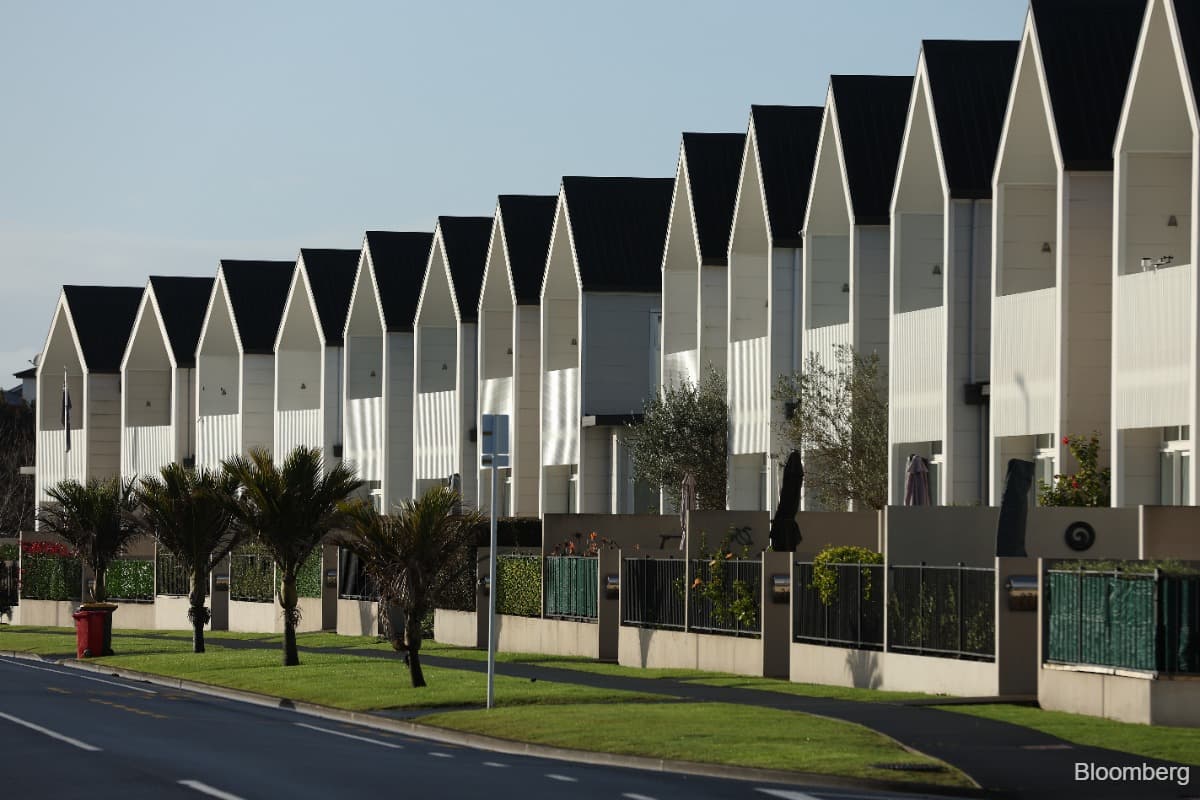
(Nov 12): New Zealanders are losing money when they sell their homes at the highest rate in 14 years as the nation’s property market remains depressed.
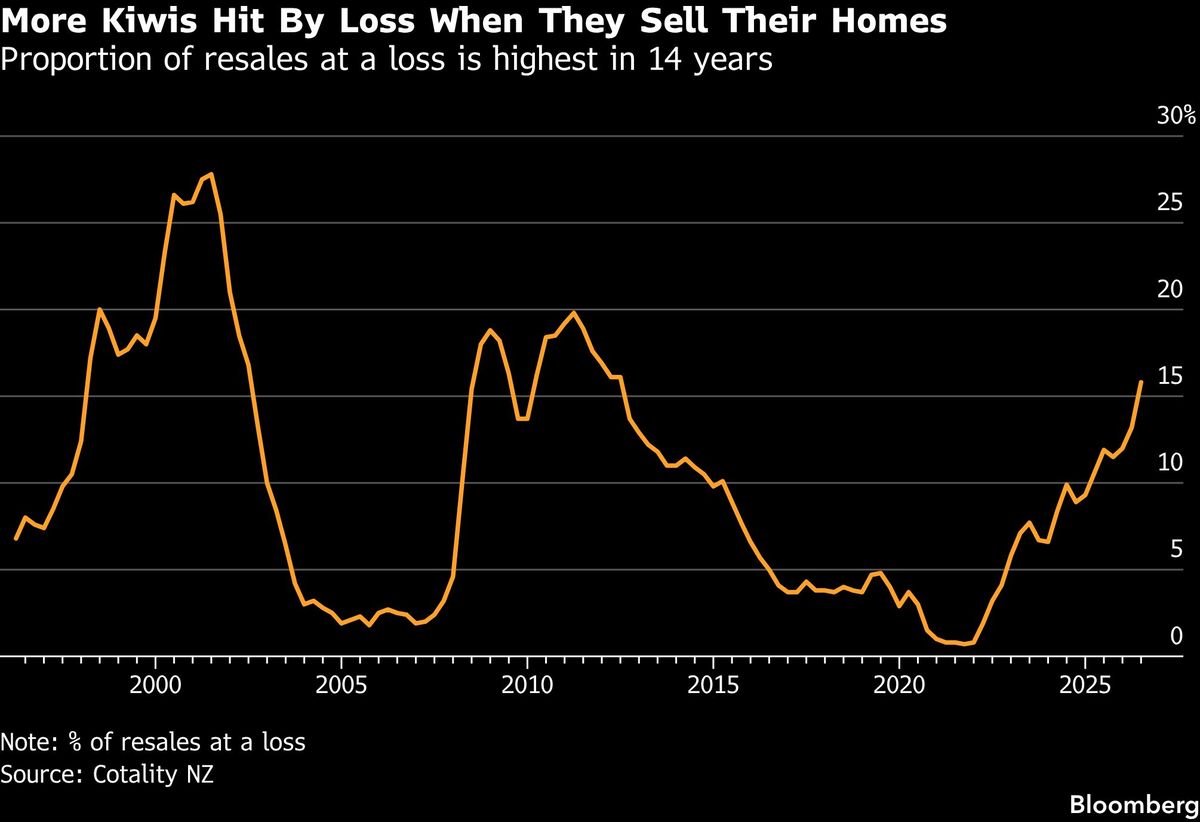
Almost 16% of properties resold in the three months through September for less than their purchase price, property consultancy Cotality said on Thursday in Wellington. That’s the most since the third quarter of 2012. Properties sold at a loss were held for a median period of 4.5 years, Cotality said.
“Most buyers would not have purchased with the intention of selling again so soon, but circumstances might have worked against them, such as a family or job change, or financial strain brought on by previously sharp rises in mortgage rates,” said Kelvin Davidson, chief property economist at Cotality New Zealand.
New Zealand’s housing market is in a prolonged slump, with prices falling for a seventh straight month to the lowest since late 2020, according to Cotality data. An 11-year-high jobless rate, subdued wage growth and high living costs are squeezing homeowners which may be prompting some to sell the houses earlier than intended.
Hardest hit have been apartments owners with 48% of their homes resold at a loss, today’s report showed. That compares with 22.5% of townhouses and 13.4% of standalone dwellings.
“Apartments tend to deliver less price growth than other property types over time, so are always a little more vulnerable to losses,” said Davidson, adding that there were also fewer apartment transactions in the quarter.
To be sure, the median loss across homes resold was just NZ$60,000 (RM136,373) while the median gain was NZ$270,000. Those homes that sold for a profit were held for a median period of 10.4 years, Cotality said.
The share of profitable sales was 84.2% in the third quarter down from peak of about 99% in 2022.
That suggests the deterioration in resale conditions has been more gradual than after the global financial crisis when profitable resales fell from 98% in mid-2007 to 81% by early 2009, Davidson said.
“Overall, the latest figures are not a sign of a fresh collapse,” he said. “Instead, they reflect the large falls in property values already seen, with more sellers progressively just having to make a deal in softer market conditions as each quarter passes.”
Uploaded by Felyx Teoh