

A plantation company with its own mill and storage can hold crude palm oil in a tank for a while. A farmer with three hectares and a lorry coming on Thursday has to sell on Thursday at whatever the dealer offers. That difference matters more than ever this week.
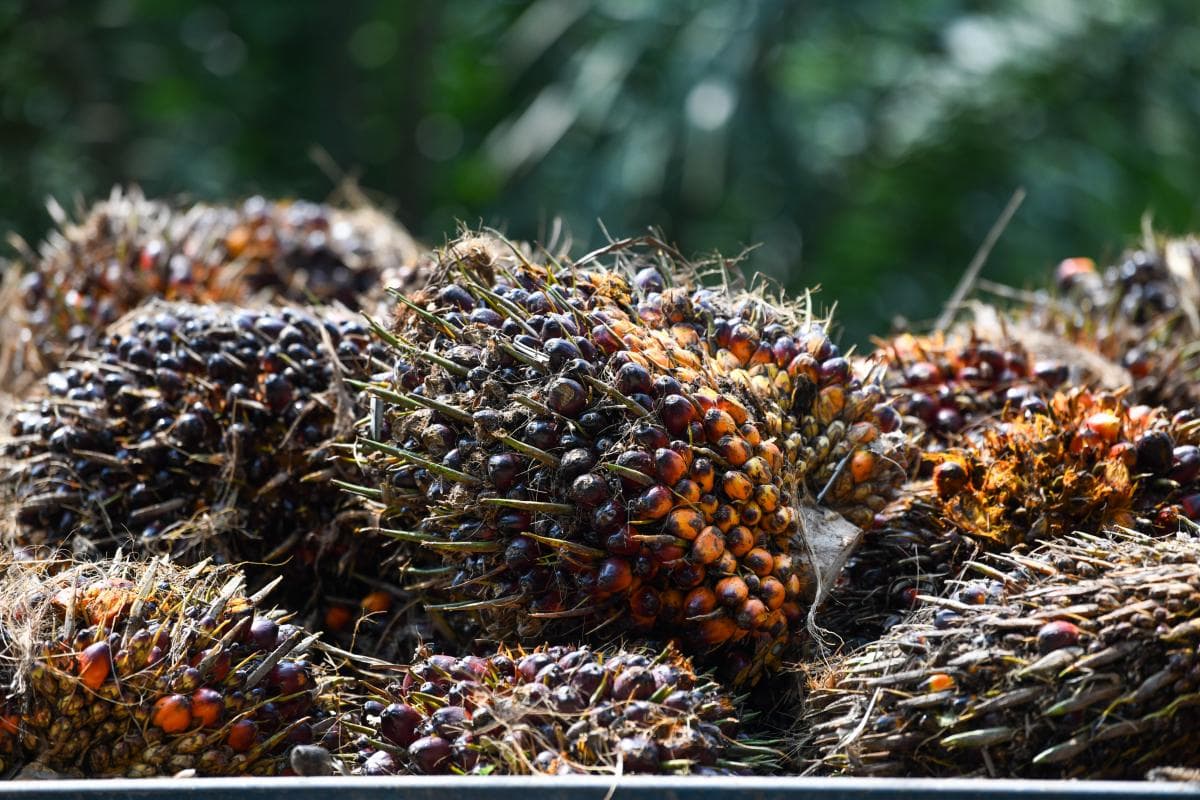
The Malaysian Palm Oil Board’s (MPOB) October figures showed a record 3.62 million tonnes in stock, the seventh monthly rise in a row, even after exports jumped 56% in the month. Most of the commentary has been about where prices go next. But the price is only part of the smallholder's problem. A bunch of palm fruit should reach a mill within a day of being cut before its quality starts to fall, so the smallholder is the one person in this whole chain who cannot wait for a better week.
Having spent time with collection centres and smallholders in the field, I have learned that a glut rarely begins with a mill simply refusing fruit. It usually starts with the mill setting an intake quota, then rejecting more bunches at grading. Fruit that waits deteriorates, and that tends to show up in the grading and the deductions on the farmer's payment slip.
Analysts expect stocks to start easing in the first quarter of next year, but that outlook does not tell a collection centre which mill will take tomorrow's load.
Then comes El Niño. MetMalaysia expects hotter and drier conditions from late January. Is that an opportunity or another risk? My honest answer is that it is both. In 2016, the last strong El Niño, our crude palm oil output fell about 13% while the average price rose about 23%. But a higher price only helps you if you still have enough fruit to sell. A large estate usually has more cash, better drainage and access to advice, whereas a smallholder squeezed by low prices today is tempted to cut fertiliser or let the harvesting rounds slip, and a palm that goes short of nutrition in the glut is less able to cope with the drought that follows.
So what can smallholders do now? The first thing I would say is do not cut the spending that keeps the crop productive. A farm that goes short of fertiliser this year gives less fruit later, possibly just when prices have recovered.
Second, one of the most useful protections a smallholder has is the quality of the dealer. The good collection centres keep two or three mills in rotation for precisely this reason, and it is worth asking yours how many mills he can deliver to when the usual one goes on quota.
Third, read the payment slip properly and keep the weight, the grading and every deduction. MPOB publishes a daily reference price for fruit at the mill gate, and dealers are required to display their buying price. The reference is a benchmark rather than a guaranteed farm price, but a smallholder who knows it can at least see the gap and ask why.
Fourth, do not face the mill alone. A grower with two tonnes of fruit has little bargaining power, whereas a cooperative can organise transport, buy fertiliser in bulk and talk to buyers. The same applies to machinery. A three-hectare farm will usually struggle to justify owning expensive equipment that sits idle for most of the year, so the machine is often better shared.
There is one more pressure coming, and it will arrive not as a regulation but as a question from the buyer. Under the EU Deforestation Regulation, from Dec 30, 2026 for large and medium companies, and from June 30, 2027 for most small ones, anyone placing palm oil on the European market has to show which plots of land it came from and that the land was not deforested after 2020.
Europe is not our biggest market, but what starts as a European requirement has a way of becoming what the big consumer goods companies ask of all their suppliers.
In a year of shortage a mill takes everyone's fruit, but in a year of surplus, when it can choose, a buyer may well favour the suppliers whose information is easiest to verify. The map of the plot and the certificate are going to be asked for sooner or later, so it is better to have them before a mill is choosing whose fruit to take than after.
In the end, I would judge any recovery by what the farmer actually receives. The test I apply to any policy, machine or app is simple — does it help get ripe fruit to the mill at a sensible cost, and leave the farmer better informed about what he is paid? When prices are low, that is what decides whose fruit still gets collected.
Asad Ata is professor of practice, operations and supply chain management at Asia School of Business.