

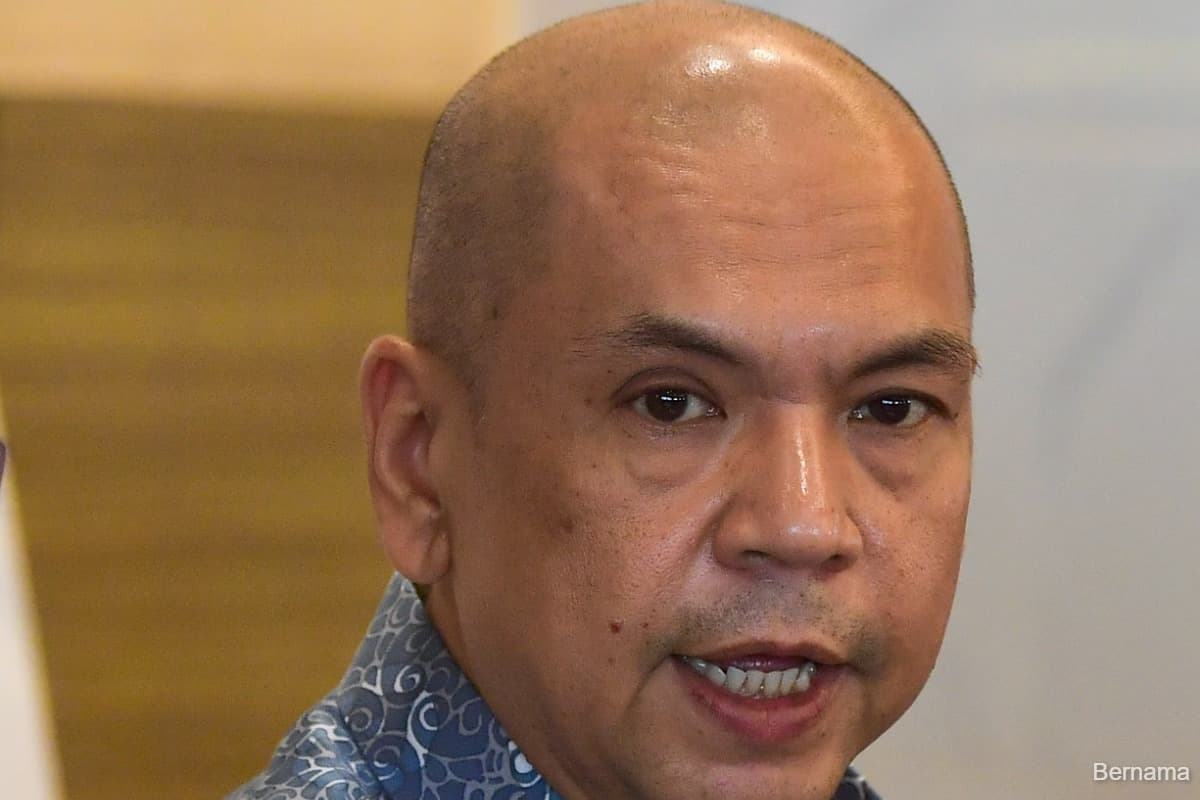
KUALA LUMPUR (Nov 11): The Malaysia Muslim Restaurant Operators Association (Presma) has been urged to work with the government to devise a strategy to gradually reduce their reliance on foreign workers.
Minister of Domestic Trade and Cost of Living Datuk Armizan Mohd Ali said the cooperation should be supported by data and comprehensive research, including ways to use automation and mechanisation to reduce restaurants’ staffing needs.
“If we work together, we can identify forms of mechanisation and automation that can help reduce reliance on foreign workers and, in the long term, ease employers’ hiring costs,” he told a press conference held in conjunction with Presma’s 22nd annual general meeting here on Wednesday.
He said the government recognised the difficulties restaurant operators faced in recruiting workers, but continued reliance on foreign labour could affect wage levels, productivity and efforts to raise Malaysians’ incomes.
The government is committed to implementing labour market reforms under the 13th Malaysia Plan (13MP), which aims to reduce foreign workers to 10 per cent of the country’s total workforce by 2030, he said.
Meanwhile, Armizan said the Human Resources Ministry (Kesuma) is processing applications to hire foreign workers in the restaurant subsector and the approvals would depend on compliance with the requirements and eligibility criteria set for the subsector.
Kesuma had previously said it had been facilitating employers’ applications through the implementation of quota allocation by phases.
This followed Prime Minister Datuk Seri Anwar Ibrahim’s announcement on July 24 that a quota for 15,000 foreign workers had been opened for the restaurant industry.
Presma president Datuk Mohammed Mosin Abdul Razak meanwhile proposed that the government reinstate a replacement system for foreign workers as a long-term solution to labour shortages in the restaurant subsector.
He said the system would allow restaurant operators to replace foreign workers who had returned to their home countries without applying for new quotas, ensuring they could maintain staffing levels within their approved quotas.
Uploaded by Felyx Teoh