

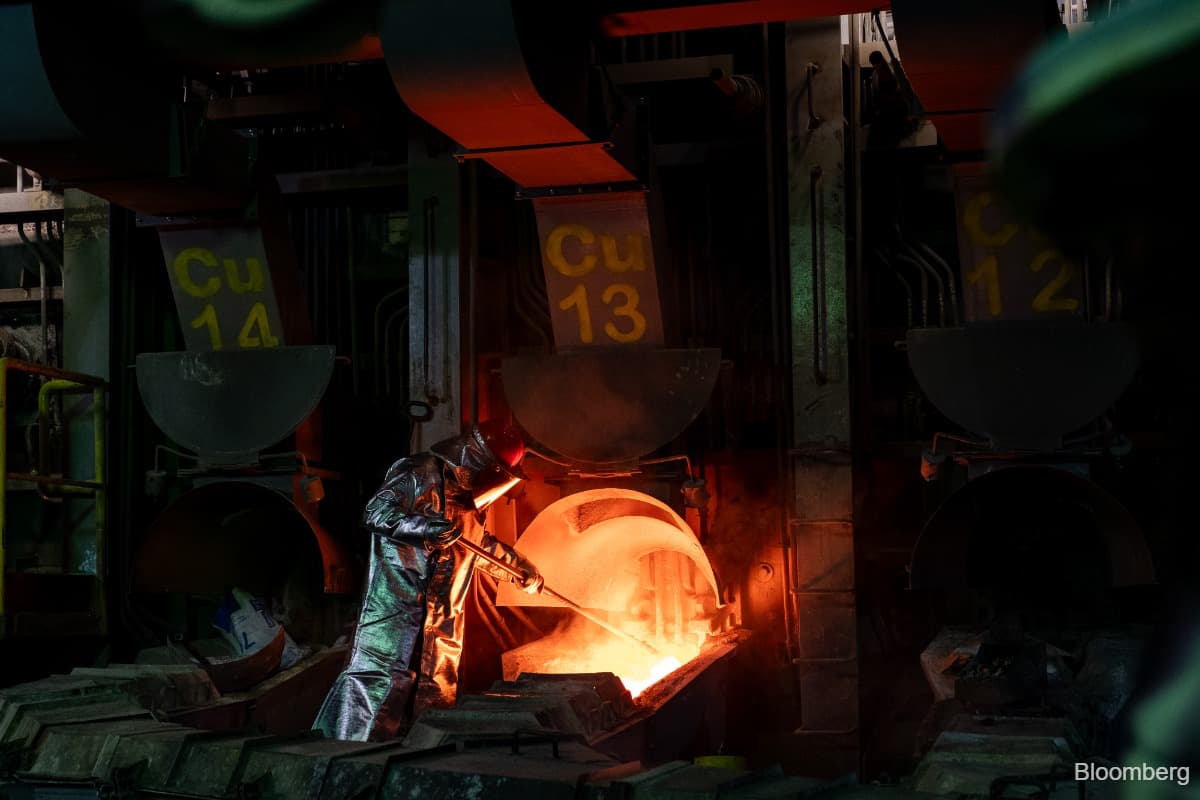
(Nov 11): China’s copper crunch is squeezing activity and margins at the firms that shape the metal into wires, rods and tubes for use in products from cables to electronics and consumer goods.
The surge in domestic prices is forcing many fabricators to operate on a hand-to-mouth basis, only buying the raw material once they have secured an order for a finished product. The cost of copper, a metal ubiquitous across supply chains, is just one aspect of roaring inflation at Chinese factories, which accelerated last month to the highest level in over four years.
“We basically only do back-to-back business,” said Zhang Benben, sales engineer at Ningbo Shimao Copper Industry Co, which supplies cabling for solar panels and electric motors. “We only buy copper cathodes to produce after we receive sales orders.”
While the Iran war and heavy spending on artificial intelligence have pushed up costs for energy and metals generally, the global copper market is also feeling the impact of the Trump administration’s protectionist tilt. China has struggled to replenish its stockpiles because so much metal has been diverted to the US in anticipation of import tariffs.
Copper has hit successive records this year, though a recent rout in AI stocks has pared some of those gains on concerns over the outlook for data centre spending. The metal rose 0.8% to US$13,788.50 a tonne on the London Metal Exchange as of 10.21am Singapore time (same time as Malaysia).
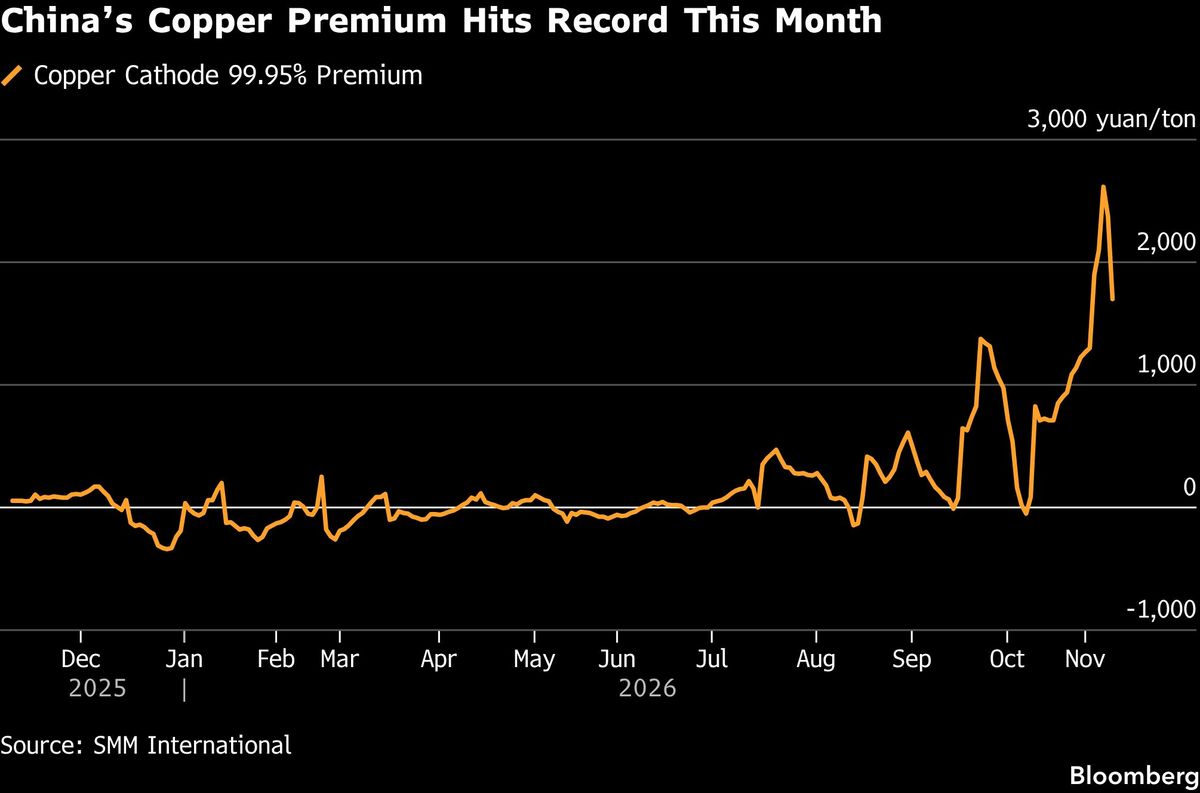
The premiums paid to import and buy copper in China, the world’s biggest market, have hit record levels in recent weeks. Shipments of refined metal have weakened this year, while higher ore costs and poor margins have forced domestic smelters to cut output.
Copper fabricators struggle to influence prices because, like many industries in China, there is too much capacity relative to demand. Customers can choose the best deals and margins are often razor thin.
The constraints on supply are occurring against the backdrop of a deeply uneven economy, where household consumption is tepid but exports are booming. Certain sectors that rely on copper, such as solar, are seeing resilient demand as developers rush to meet year-end targets.
But even when orders are holding up, the dislocation in price is causing problems. At Zhejiang Baichuan Conductor Technology Co, which supplies copper wire to the solar industry, the firm is getting squeezed because it pays upfront for cathodes while its customers buy on credit, said sales executive Yang Xun.
Shimao Copper has also tightened up on payments from customers and will not give extensions beyond due dates, said Zhang.
High prices typically spur substitution. Baichuan Conductor has benefited from selling copper-clad aluminium wire, which solar producers are testing as a replacement for pure copper wiring to cut costs, said Yang. Usage has not been scaled up yet because there is not a national standard for the product, he said.
The Chinese copper industry may catch a break after the Democrats' victory in the US midterm elections undercut the case for both massive AI spending and US President Donald Trump’s tariffs. The recent pullback in international prices could help loosen the market as it becomes more profitable to ship metal to China, said Wang Wei, general manager of Shanghai Wooray Metals Group Co, a trading house that sells to fabricators.
Uploaded by Arion Yeow