

(Nov 10): Wars and energy shocks are accelerating the case to electrify economies as governments seek to curb exposure to volatile fossil-fuel prices and limit imports.
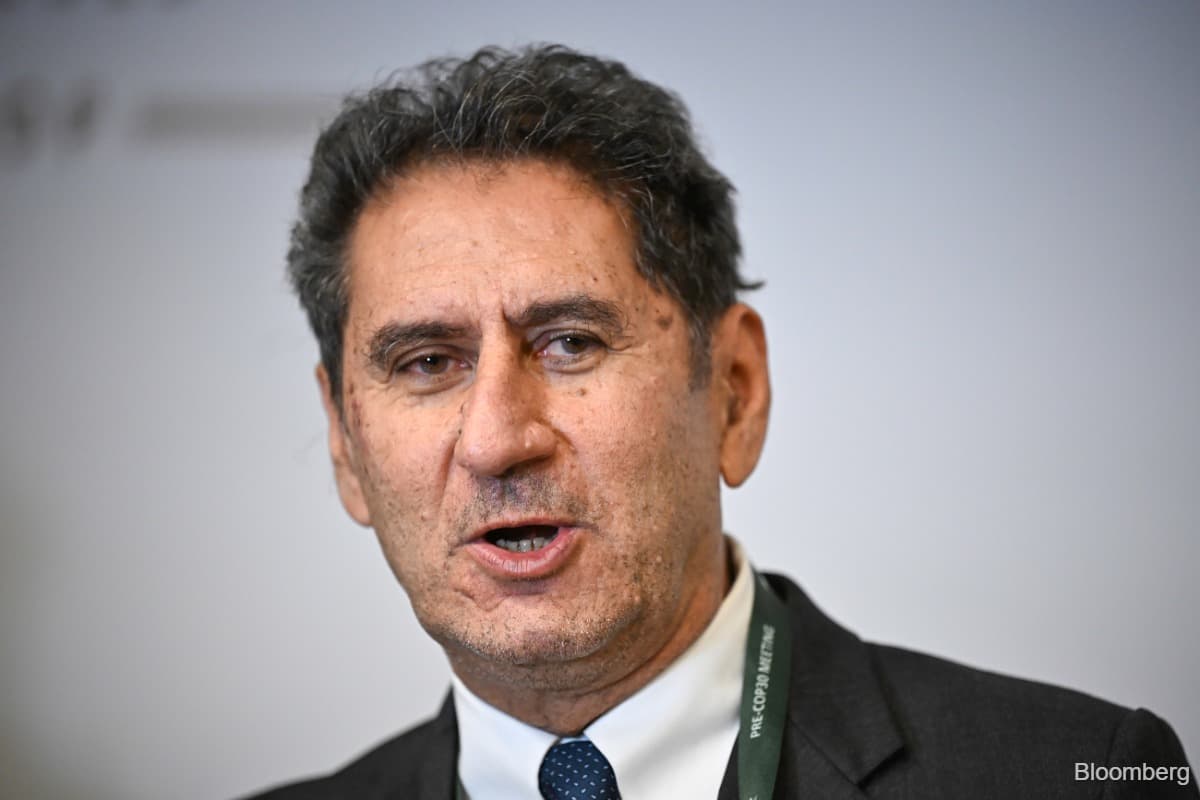
Electricity is increasingly replacing fossil fuels in transport, heating and industry, and nations should aim to accelerate that shift, Francesco La Camera, director general of the International Renewable Energy Agency, said at the COP31 climate talks in Antalya, Turkey.
A flagship ambition for the talks is to win commitments to increase electricity’s share of global final energy consumption from just over 20% today to 35% by 2035.
That is “exactly what we have to put into action to keep our promise alive,” La Camera said in an interview Monday. “If we don’t act, we cannot win the challenge of climate change.”
Electrification can reduce reliance on imported fuels, stabilise energy costs and strengthen economic resilience, La Camera said. “Everyone has realised that a centralised system based on fossil fuels is not good for energy security,” he said.
A series of meetings at the summit Tuesday were convening energy ministers, bankers and company executives on the electrification goal.
“If you succeed in electrification, you’ll reduce dependency and you’ll fight climate change,” Turkey’s Deputy Energy and Natural Resources Minister Zafer Demircan said Monday. The summit host aims to lift electricity’s share of the nation’s final energy consumption to 36% by 2040 from about 22% currently.
Falling costs are strengthening the economic case for renewables, according to Irena. Since 2010, the levelised cost of electricity from solar PV has fallen by 89%, onshore wind by 71%, and offshore wind by 63%, the organisation said in a July report.
Disruption to oil and gas shipments through the Strait of Hormuz as a result of the Iran war has also added urgency to the deployment of renewables.
“We’re seeing more and more governments looking at what’s happening in the war and actually seeing that as a catalyst for them to really upscale renewables in their own country,” said Rebecca Williams, deputy CEO of the Global Wind Energy Council, an industry group.
More investment is needed to increase adoption of clean energy, particularly in offshore wind, where upfront costs are high, La Camera said.
Funding for renewables projects remains a constraint, according to Turkey’s Demircan. “The main thing is to find the financing,” he said.
Uploaded by Arion Yeow