
“Investors are rightly questioning the plausibility of how much value can be created out of this cycle,” he said in a Bloomberg Television interview in Sydney on Monday. “The problem being more on the timing, on how quickly can you really deliver all these benefits, and in that sense, you see a little bit of questioning around valuations that is important.”

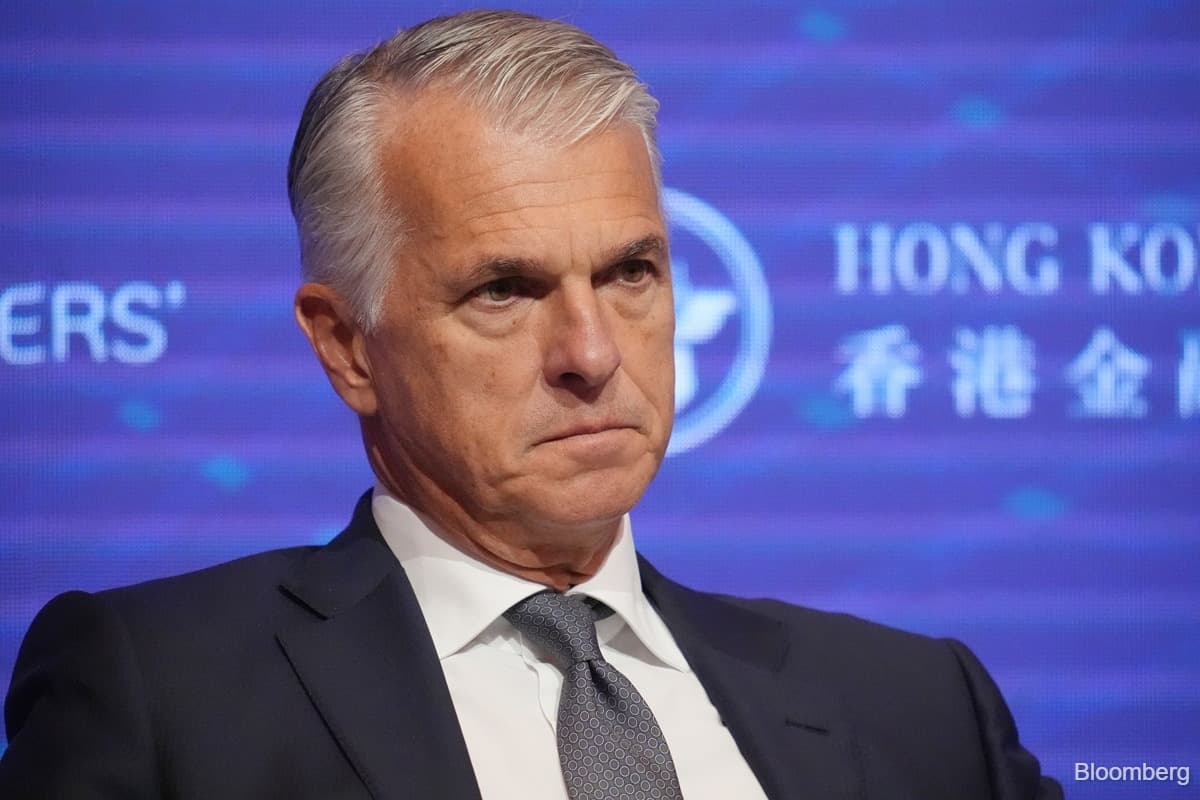
(Nov 9): UBS Group AG chief executive officer Sergio Ermotti said the sweep of Democrats in the US midterm elections could trigger a slowdown in the construction of artificial intelligence capacity.
Candidates who favor stricter oversight of AI won in key congressional races. The developments threaten an already-fragile backdrop for global markets as investors weigh valuations following declines in richly valued tech stocks.
“The political developments in the US may also trigger a slowdown in building up capacity,” Ermotti said. The AI cycle is “definitely going to be a very strong engine of growth, medium to long term. In the short term, it may still be a volatile topic, and that would create potential volatility in financial markets.”
The midterm elections have added a fresh catalyst to the unwinding of the AI trade, which had for weeks faced doubts over whether massive investments in the technology will pay off. Expectations for tighter regulation under a Democratic-controlled Congress are adding to concerns about the growth outlook for chipmakers and data center suppliers, helping drive the steepest decline in US tech stocks since 2020.Ermotti also said inflation remains a key risk that markets are struggling to price. Strong jobs data last week revived expectations for another interest-rate hike from the Federal Reserve.
It is “probably still underestimated how sticky inflation is, and the fact that central banks may need to keep rates higher for longer than expected,” he said.
Ermotti also said he wanted to see more appetite from policymakers in Europe to address concerns over fiscal conditions. Asked whether he was worried about stability of the financial system there following a surge in bond yields in France, Ermotti explained his concern.
“Worried is probably a little bit too far, but I’m concerned that things are not going to be taken seriously enough and fast enough in order to address the risk of contagion, which is probably the most significant one,” he said. “And in that sense, I do hope that the system will come up with urgent measures to contain that potential contagion.”
Uploaded by Liza Shireen Koshy
Print
Text Size
Share