

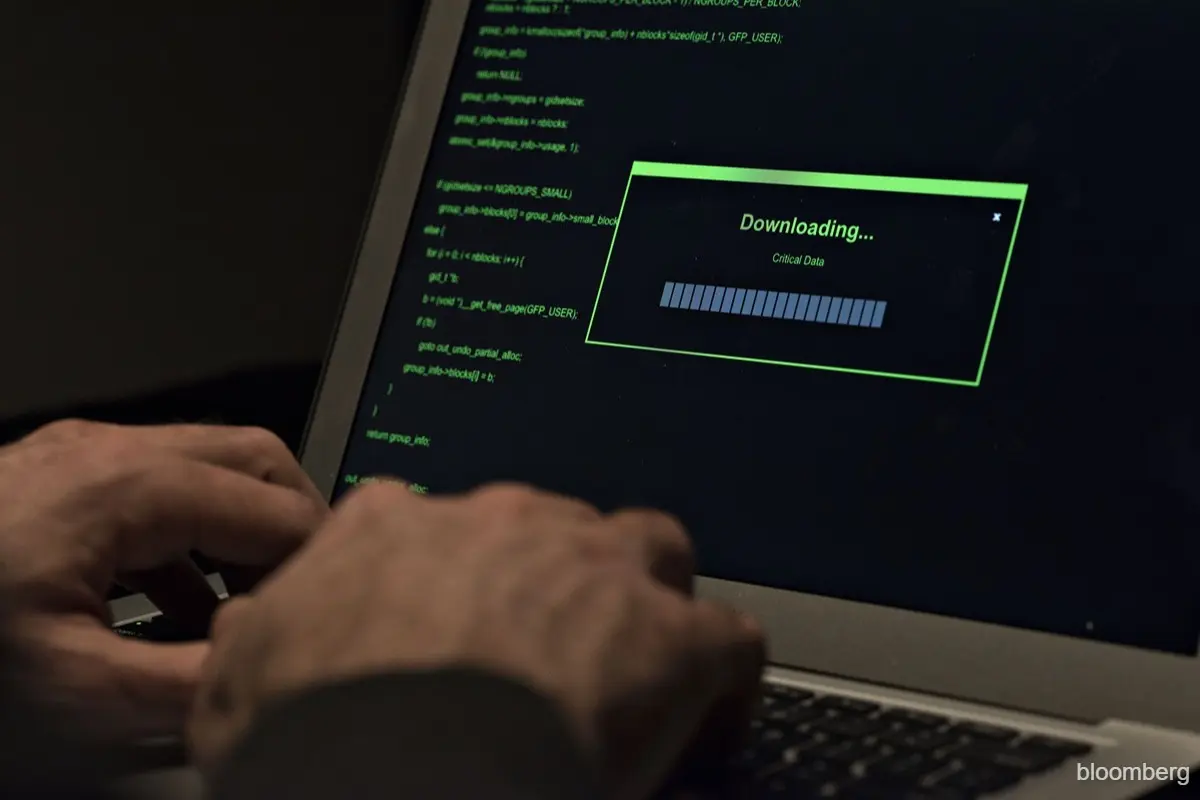
KULAI (Nov 8): The public must improve their digital literacy as the first line of defence against increasingly complex cyber threats, including online scams, the spread of malware and the misuse of artificial intelligence technology, said Deputy Communications Minister Teo Nie Ching.
She said public awareness and the ability to identify digital threats were crucial, as the government or authorities could not screen every message sent through communication applications such as WhatsApp.
She said technological advancements had also created opportunities for cybercriminals to use various new modus operandi to deceive users, including spreading malware through files that appeared to have been sent by people they knew.
"For example, malware is now being widely distributed through ZIP files. You may receive such a file from a friend via WhatsApp and be asked to open it on your computer.
"Once the file is opened, data on your computer can be stolen, and perhaps two weeks later, your WhatsApp account will be hacked before the same file is sent to all your contacts," she said in an exclusive interview with Bernama here recently.
Teo, who is also Kulai member of Parliament, said the situation highlighted the major challenges in curbing cybercrime, as the government could not rely entirely on monitoring or enforcement mechanisms.
"We cannot possibly ask the MCMC (Malaysian Communications and Multimedia Commission) to screen every WhatsApp message before it is sent to ensure that it does not contain malware, scam messages or false information," she said.
She said that based on online scam complaint statistics, e-commerce scams recorded the highest number of complaints, while investment scams caused the greatest financial losses to victims.
In this regard, Teo reminded users to remain vigilant against suspicious content or links, making it a habit to verify the authenticity of information before believing or sharing it with others.
She also reiterated her call for companies and organisations to take cybersecurity seriously by conducting regular security audits, particularly when upgrading systems or adopting new technologies.
"I think we may not have realised how important it is to conduct cybersecurity audits all this while. The time has come for individuals and companies to ensure that sufficient investments are also made in cybersecurity," she said.
Teo said national cybersecurity matters fell under the responsibility of the National Cyber Security Agency, while MCMC was always ready to provide assistance and technical support when needed.
Uploaded by Liza Shireen Koshy