

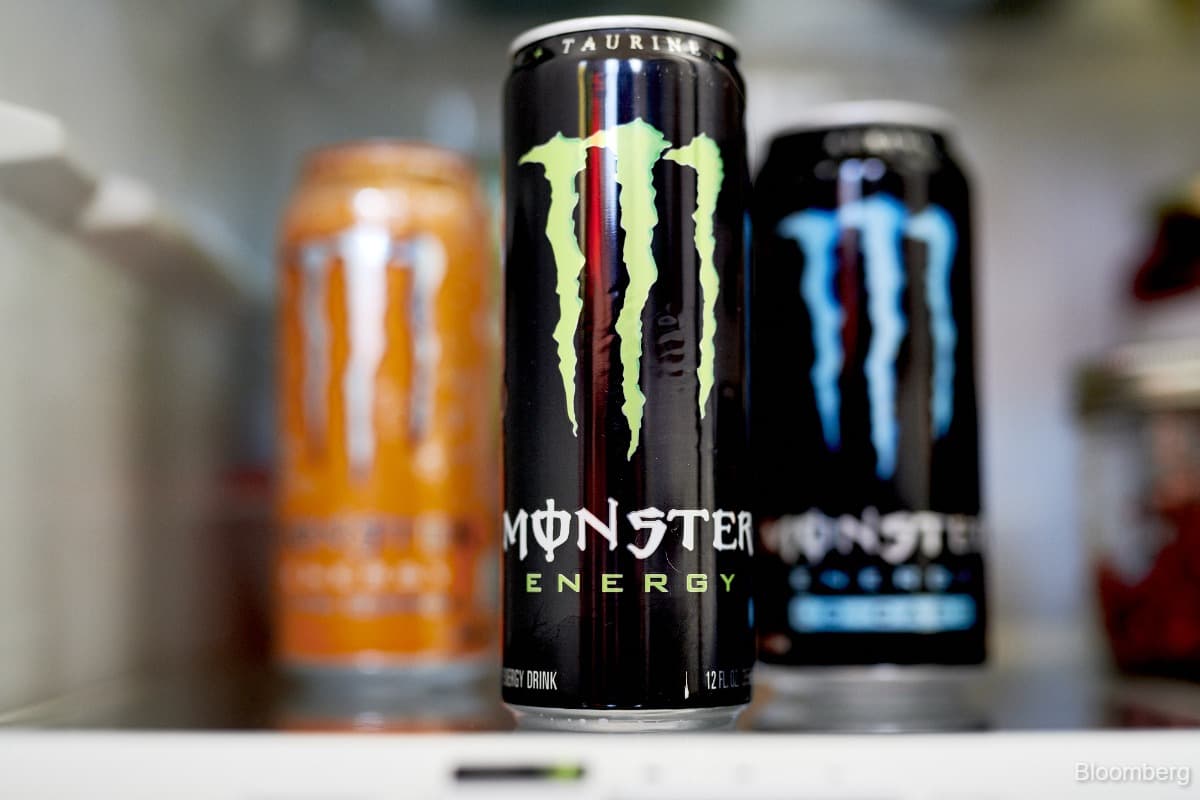
(Nov 7): Monster Beverage Corp shares fell as much as 8.2% on Friday, the biggest decline in over two years, after the energy drink giant’s weaker-than-expected margins underscored the impact of soaring costs in the beverage industry.
Third-quarter (3Q) gross profit margin was 54.7%, down from 55.7% a year ago and short of the 55.4% analysts had estimated.
Monster and other beverage companies have been grappling with higher costs due to the impact of US tariffs and the ongoing conflict in the Middle East, which have driven up the price of the aluminium used for their cans. Monster expects continued increases in aluminium costs through at least the first quarter of 2027, executives said on a call with analysts on Thursday.
Smaller rival Celsius Holdings Inc also warned that stubbornly high commodity costs are weighing on its margins.
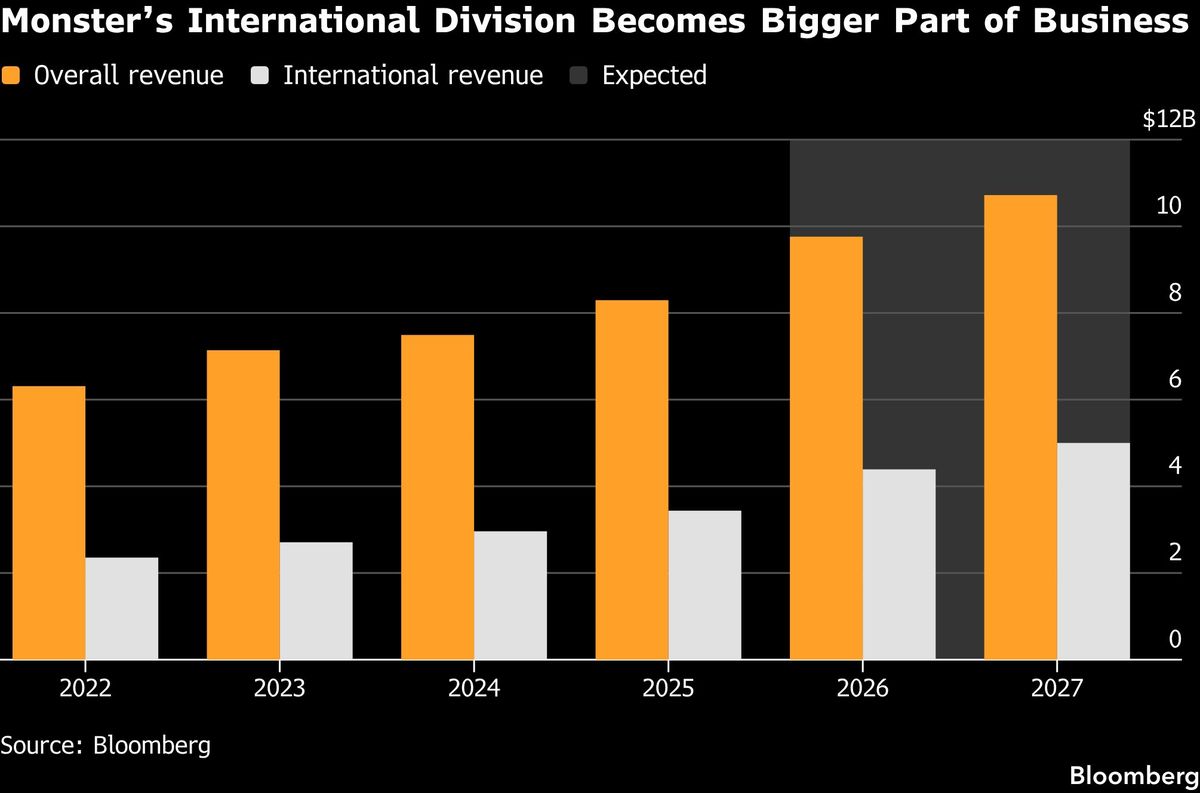
Monster’s 3Q sales rose more than expected, as the energy drink giant continues to see booming demand for its beverages outside of the US. But pricing for Monster’s drinks in international markets tends to be substantially lower than in the US, adding further pressure on profitability.
The company saw continued strength abroad, driven by Brazil, with sales in the international segment jumping 28% to represent nearly half of Monster’s overall sales in the period. Total net sales rose 17% to US$2.56 billion (RM10.36 billion), ahead of the US$2.49 billion analysts were expecting.
While the commodity costs “aren’t helping,” a US price increase planned for November should help offset some of the compression, Jefferies analysts led by Kaumil Gajrawala wrote in a post-earnings note. “The top line matters more, and it’s intact,” they added.
As demand for beverages that aren’t typical sodas or coffees explodes, Monster has been trying to get its products in front of new costumers that are trying energy drinks for the first time. It’s expanding its social media presence, highlighting both longtime offerings and new launches, including a forthcoming protein energy drink.
It’s also seeing growth in multipacks as consumers look for value, but isn’t being hit as hard by the consumer pullback that’s hammered restaurants and fast food. “Energy drinks always have been regarded as an affordable luxury,” Chief executive officer Hilton Schlosberg said on the call.
Uploaded by Felyx Teoh