

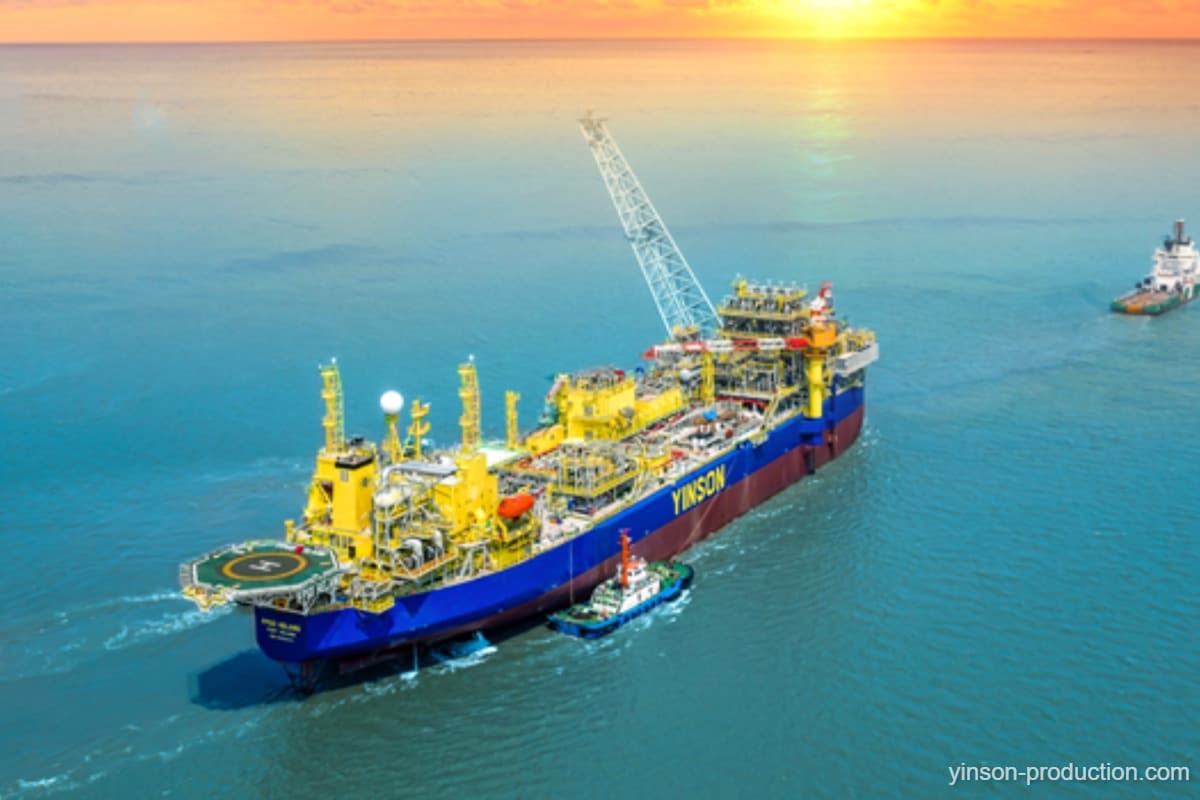
KUALA LUMPUR (Nov 5): Yinson Production Ltd continues to prefer the lease-and-operate model for its floating asset business, said its chief executive, even as more oil majors explore the turnkey model in recent years.
Speaking at a media briefing, YPL group CEO Flemming Guiducci Grønnegaard said project execution does not change much between the two contract structures but “entering into contracts for projects where the client acts completely differently may not be our habitat”.
“We are not like a shipyard, handing over an asset and walking out the door. We still have a long-term relationship with our clients,” he said.
“Our preference is lease-and-operate. We believe the interests between client and contractor are perfectly aligned.”
Floating production, storage and offloading (FPSO) clients are exploring more projects on turnkey basis instead of leasing the vessel from providers like Yinson, due to changes in accounting rules that require clients to book their lease liabilities.
This eliminates the advantage of having the asset off its balance sheet previously enjoyed by leasing the vessel. Owning the vessel directly reduces long-term costs compared with leasing, which opens doors for more competition including from shipyards serving clients directly, although there are more factors at play.
However, YPL, which is owned by Yinson Holdings Bhd (KL:YINSON), is confident that demand outlook remains strong, as the number of companies continuously signing new FPSO projects is small compared with the market.
“Should we expand that type of business, the clients we interact with will be clients where we are allowed to execute projects in a similar way as we do today,” Grønnegaard said.
The company also uses engineering, procurement and construction contracts with multiple yards, mainly repair yards in China and fabrication yards in Asia, Southeast Asia and Indonesia, and maintains close dialogue to secure slots.
In the first six months ended July 31 (1HFY2027), Yinson’s offshore production segment results after finance costs fell 2.88% to RM438 million, from RM451 million, as net revenue fell 16.7% to RM2.07 billion, from RM2.49 billion.
It has a fleet of 11 floating assets, of which five are wholly-owned.