

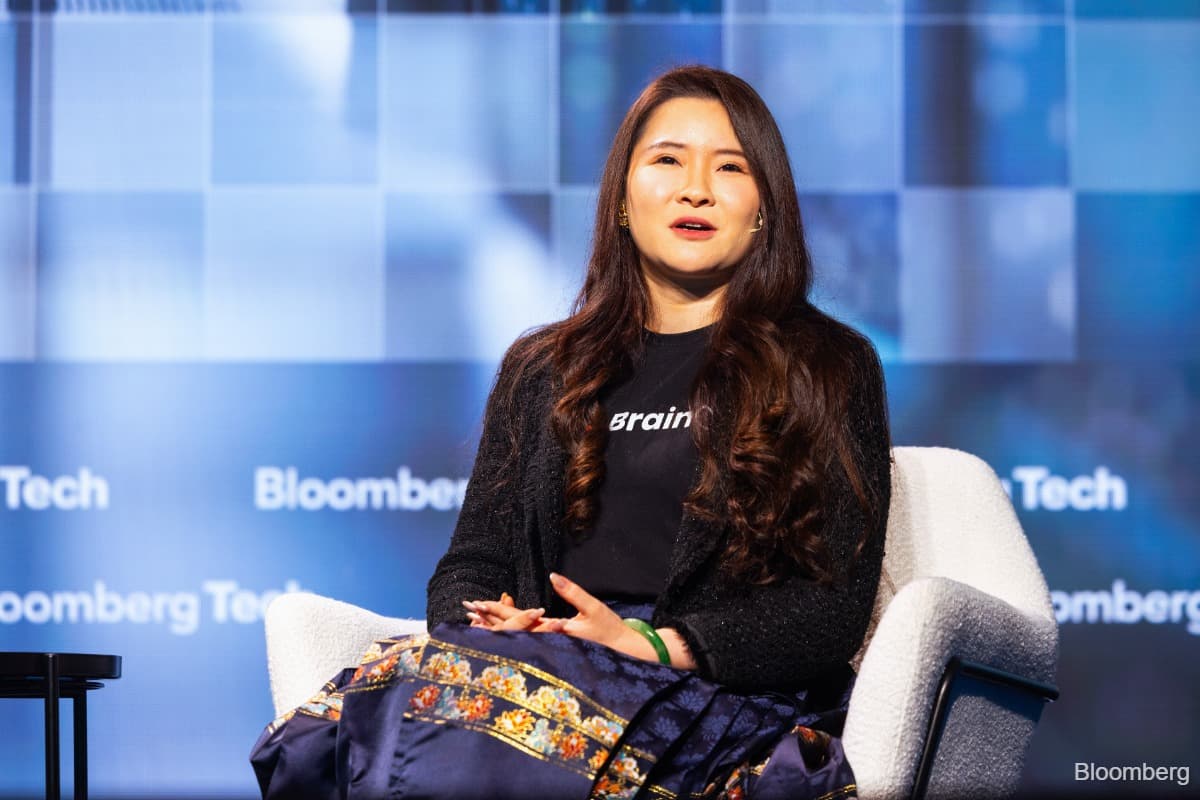
(Nov 3): Chinese neurotechnology firm BrainCo is developing a wearable device that it says could suppress appetite by stimulating the brain, positioning it as a potential non-drug alternative to blockbuster GLP-1 weight-loss treatments.
The company aims to bring the device to market within the next two to three years, according to founding partner Nyx He, who spoke in an interview at the Bloomberg Tech London event.
The product would effectively function as an “electronic version of GLP-1” obesity drugs, He said. The company plans to launch the device first in China before potentially expanding to the US.
BrainCo — which seeks to compete with Elon Musk’s Neuralink — is aiming to apply its brain-computer interface, or BCI, technology for the weight-loss market. The sector is currently dominated by GLP-1 drugs Wegovy and Zepbound, which mimic metabolic hormones that regulate appetite. The Hangzhou-based firm’s effort would represent an expansion beyond its existing business in neurotherapy devices, prosthetics and robotics.
She declined to comment on BrainCo’s plans to go public or raise additional funds before a listing. The company has filed confidentially for a Hong Kong initial public offer, Bloomberg News reported in January.
The company will explore different ways to commercialise the product, including potentially releasing separate medical and consumer versions, according to He.
It currently markets BCI-enabled headsets to address neurological disorders such as autism, ADHD and insomnia. The devices collect, decode and in some cases stimulate neural signals.
Beyond wearables, BrainCo develops prosthetic hands that allow amputees and people with disabilities to control lifelike fingers using brain signals, enabling tasks such as playing the piano and practising calligraphy. In recent years, it’s supplied robotic hands to China’s fast-expanding humanoid robotics industry.
Despite growing geopolitical scrutiny around BCI technology, including proposed US curbs on investment in Chinese BCI firms, He said BrainCo continues to see “great market acceptance” for its prosthetic hand in the US and expects the growth to accelerate.
“We still see huge demand for our products, both the robotic hands for humanoid and prosthetic hands for amputees,” she said.
Although BrainCo has historically focused on non-invasive BCI, the company may expand into invasive approaches that require brain implants in the future, He said.
Uploaded by Arion Yeow