

(Nov 3): Central banks bought gold at the fastest pace since the end of 2024 in the third quarter, even as the metal faced pressure from higher oil prices and interest rates.
The institutions accumulated a net of 321 tonnes in the three months through September, the World Gold Council said in a report on Tuesday (Nov 3). After a slow start to 2026, that brought the estimate for year-to-date buying to 675 tonnes, slightly ahead of the same period a year earlier.
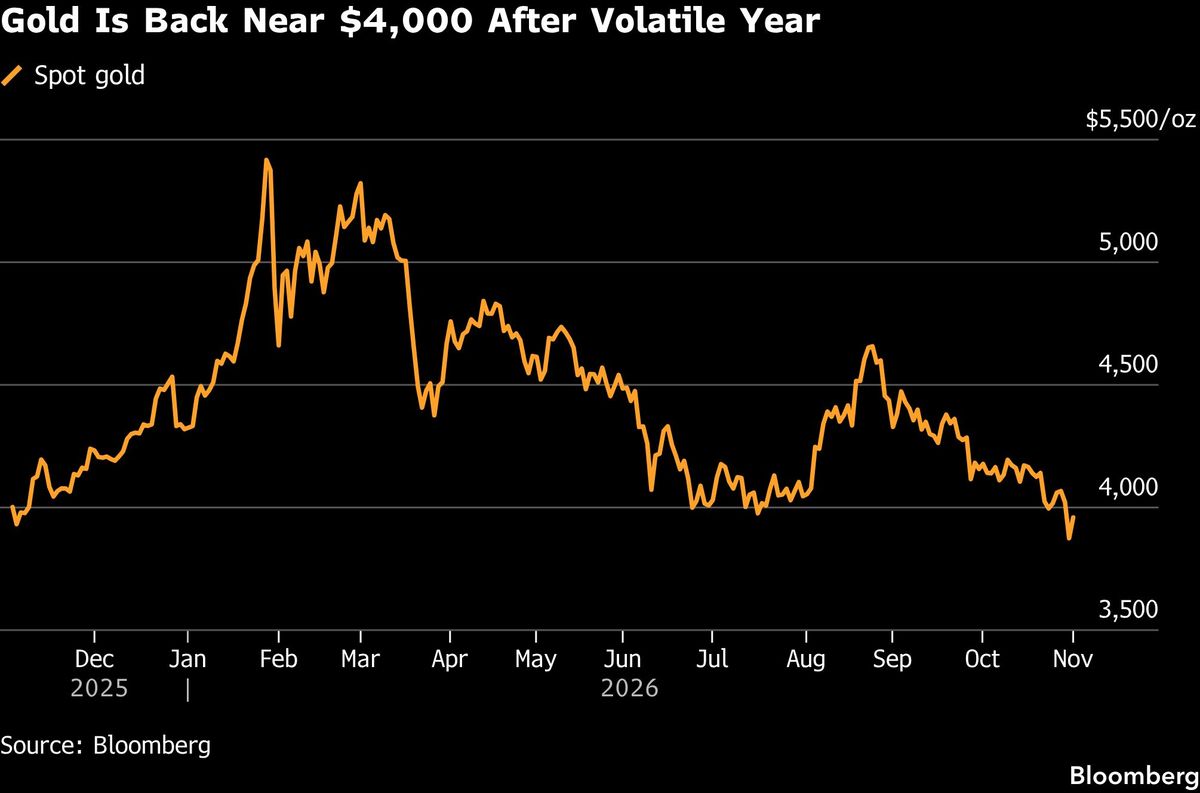
The figures underscore how central banks — an important driver of bullion’s multiyear rally to a record high in January — have remained a key support to prices in an otherwise tepid market. The metal has lost about a quarter of its value since the Iran war began in late February, as higher energy costs fuelled expectations of tighter monetary policy, a headwind for the non-yielding metal.
Weaker gold prices during the quarter likely encouraged some central banks to step up purchases, said John Reade, senior market strategist at the WGC. For central banks with a bearish outlook on the US dollar, the greenback’s rally may also have made shifting some reserves into gold more appealing, he said.
“If you think the dollar is going to be falling in the long term, and you own short-dated Treasuries and they’re rolling off, then maybe you’re taking some of those expensive dollars and buying gold with them,” Reade said.
Almost two-thirds of the estimated central-bank buying wasn’t disclosed by monetary authorities themselves. Consultancy Metals Focus Ltd. calculates purchases on behalf of the council using a combination of public data, trade statistics and field research.
China and Poland were the biggest disclosed buyers in the latest quarter, adding 63 tonnes and 41 tonnes, respectively. Russia was the only major seller, offloading 19 tonnes in the period.
Gold has drifted lower in recent months, as war in the Middle East continues to push crude prices and interest-rate expectations higher. Still, inflows into gold-backed exchange-traded funds have been markedly strong, with holdings rising by 211 tonnes to a record in the third quarter, the WGC said.
Jewellery demand fell 17% to 313 tonnes, the weakest third quarter in the council’s data going back to 2000, as tax changes in India and China, along with higher prices, pushed consumers toward lighter and lower-carat pieces.
Also in the WGC report:
- Mine output rose 3% year-on-year to a third-quarter record of 1,071 tonnes.
- Recycling fell 8% to 314 tonnes, the lowest since 2023.
- Bar and coin demand fell 19% to 268 tonnes. However, those purchases rose 7% to 79 tonnes in China, lifting year-to-date buying there to a record 393 tonnes.
Uploaded by Arion Yeow