

BENGALURU (Nov 3): Technology-heavy markets in South Korea and Taiwan led declines across Asia on Tuesday as disappointing US corporate earnings rattled investor sentiment globally, while regional currencies moved in different directions ahead of US midterm election results.
Weak sentiment towards artificial intelligence (AI)-linked stocks persisted as a string of earnings reports and corporate developments, including Oracle's fundraising plans and Anthropic's updated initial public offering filing, heightened investor concerns about valuations and the costs of pursuing growth in the sector.
South Korea's Kospi lost 3.2%, despite data showing October inflation slowed, easing pressure on policymakers, though it remained well above target.
Shares of SK Hynix and Samsung Electronics shed 4.8% and 3.7% respectively, weighing on the broader market.
Taiwan's benchmark slipped more than 2%, sending the benchmark to its lowest level since early August and leaving it more than 10% below the record high it touched on Oct 6.
Losses in Taiwan and South Korea, which together account for more than half of the MSCI Emerging Asia equities index, dragged the benchmark down 1.5%.
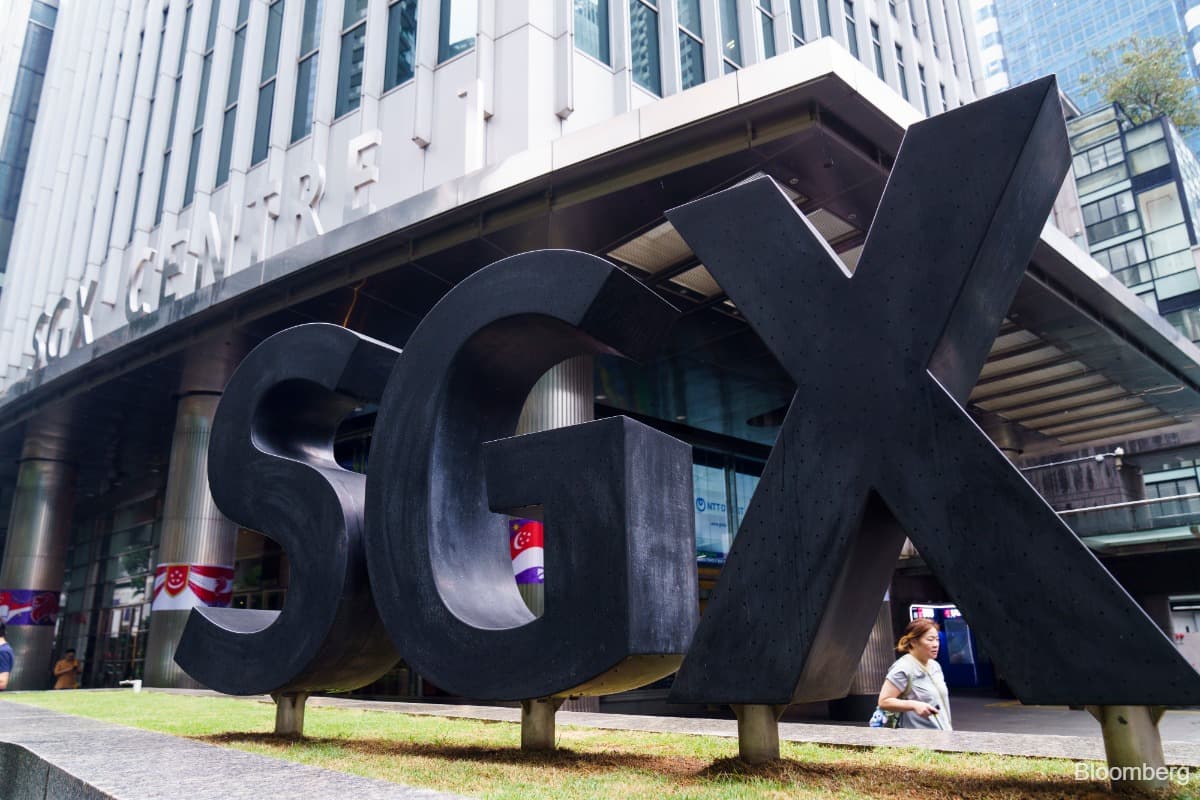
Meanwhile, Singapore's Straits Times Index fell 1.5% for a fourth consecutive session, deepening its retreat from the record high touched in early September.
Losses in banking heavyweights DBS, United Overseas Bank (UOB) and Oversea-Chinese Banking Corp (OCBC) weighed on the benchmark as investors braced for earnings due later in the week.
"Selloff in Singapore bank stocks in October was related to market concerns that higher bond yields could weigh on bond valuations and therefore book value, which would potentially create pressure on the banks' common equity Tier 1 ratio and, by extension, shareholder returns," said Kathy Chan, an equity analyst at Morningstar.
Elsewhere, regional currencies traded mixed as investors awaited the US midterm elections, which supported the dollar's safe-haven appeal, although gains in the greenback were tempered by a sharp decline in oil prices.
Glenn Yin, a director of research at ACCM, said the elections could ripple through Asian currency markets via their impact on US Treasury yields, trade policy and broader risk sentiment.
The South Korean won strengthened 0.5%, while the Taiwan dollar slipped 0.6% to its weakest level since mid-April 2025.
"The technology upcycle still underpins relative strength for both economies, but flows remain the key constraint on how far that feeds through to the currencies," analysts at MUFG said in a note.
The Indonesian rupiah strengthened to 18,135 per US dollar, while Indonesian stocks reversed an early 0.9% gain to fall 1.8%. Data on Monday showed the country's trade surplus narrowed to US$3.36 billion (RM13.69 billion) in September and inflation eased slightly to 3.23% in October.
Analysts at Bank of America said a sharp rise in rupiah volatility could increase the likelihood of a Bank Indonesia rate hike, as currency weakness risks fuelling imported inflation and worsening balance-of-payments pressures on concerns over the upcoming MSCI index review.
Highlights:
- Indonesia's 10-year benchmark yields stood at 7.707%
- The yuan was set for the biggest daily drop in six months after China's central bank raised the foreign exchange reserve requirement ratio
- Apple forecast a margin drop in the holiday quarter on rising memory costs
Uploaded by Tham Yek Lee