

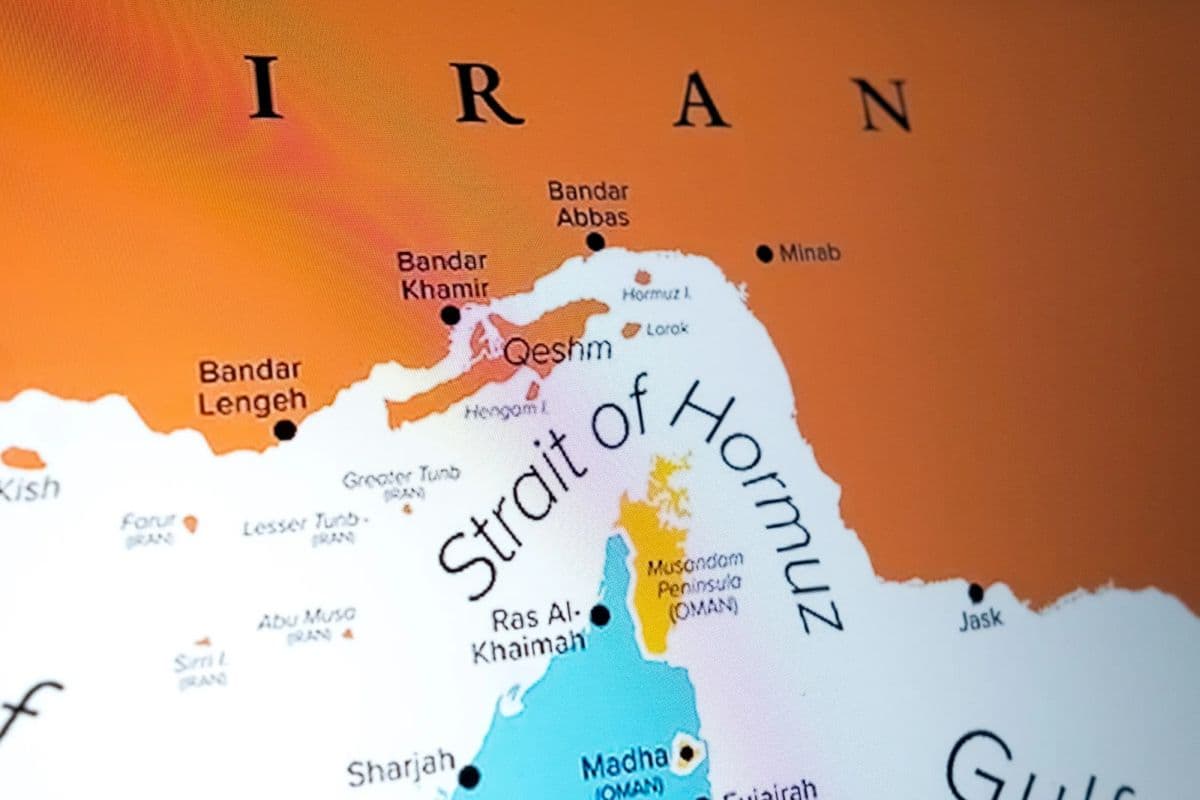
KUALA LUMPUR (Nov 3): Oil flows through the Strait of Hormuz are expected to recover only partially and remain fragile, rather than return fully to pre-war levels, according to Rystad Energy.
The energy research and business intelligence company said it now expects a limited accommodation between Washington and Tehran to emerge towards the end of the first half of 2027, allowing oil exports from the Gulf region to gradually recover even as underlying geopolitical tensions remain unresolved.
In its revised outlook, Rystad Energy said developments in October strengthened the case for a continued recovery in oil flows, although the market was heading towards what it described as "pseudo-normalisation" rather than a full return to pre-war conditions.
It said the energy system was becoming increasingly capable of adapting to the unresolved conflict, while Iran was stepping up pressure to preserve its leverage over the Strait of Hormuz.
"We therefore expect substantially higher regional exports next year but not a return to the pre-war geopolitical environment: pseudo-normalisation, rather than full normalisation, is now our central expectation for 2027," it said in a report Tuesday.
Rystad Energy cautioned that rising crude exports in October should not be mistaken for normalisation, as attacks on commercial vessels intensified and shipping costs surged despite a gradual improvement in traffic through the strategic waterway.
Total Gulf crude exports averaged about 12 million barrels per day in September and the first 20 days of October, significantly above the lows recorded earlier in the conflict but still below the pre-war level of approximately 18 million barrels per day, it said.
However, maritime security deteriorated, with weekly vessel disruptions rising to 10 before climbing to 16, including 13 incidents within the strait itself. The following week, 11 disruptions were recorded, eight of them in the strait.
Rystad Energy head of geopolitical analysis Jorge Leon said the Organization of the Petroleum Exporting Countries and its allies (Opec+) faced an extremely difficult decision over its production strategy for 2027.
"The group must plan around huge uncertainty over the US-Iran war, the pace of recovery through the Strait of Hormuz, and the size of the surplus that could emerge once disrupted barrels return.
"Geopolitical disruption is currently masking the underlying weakness in the oil balance. If Hormuz flows recover materially next year, Opec+ could quickly move from managing constrained supply to managing a sizeable surplus," he said in the report.
Leon said Opec+ would also have to decide how much production it was willing to bring to the market next year without knowing how quickly oil supplies from West Asia would return to normal.
Rystad Energy said its revised base-case scenario reflected a more fragmented geopolitical outlook, with Washington and Tehran maintaining deeply entrenched positions, diplomatic progress remaining limited and the risk of renewed military escalation persisting following the US midterm elections in early November.
It sees little prospect of these disputes being resolved next year, with the most likely outcome being a more manageable conflict rather than a comprehensive settlement.
Uploaded by Liza Shireen Koshy