

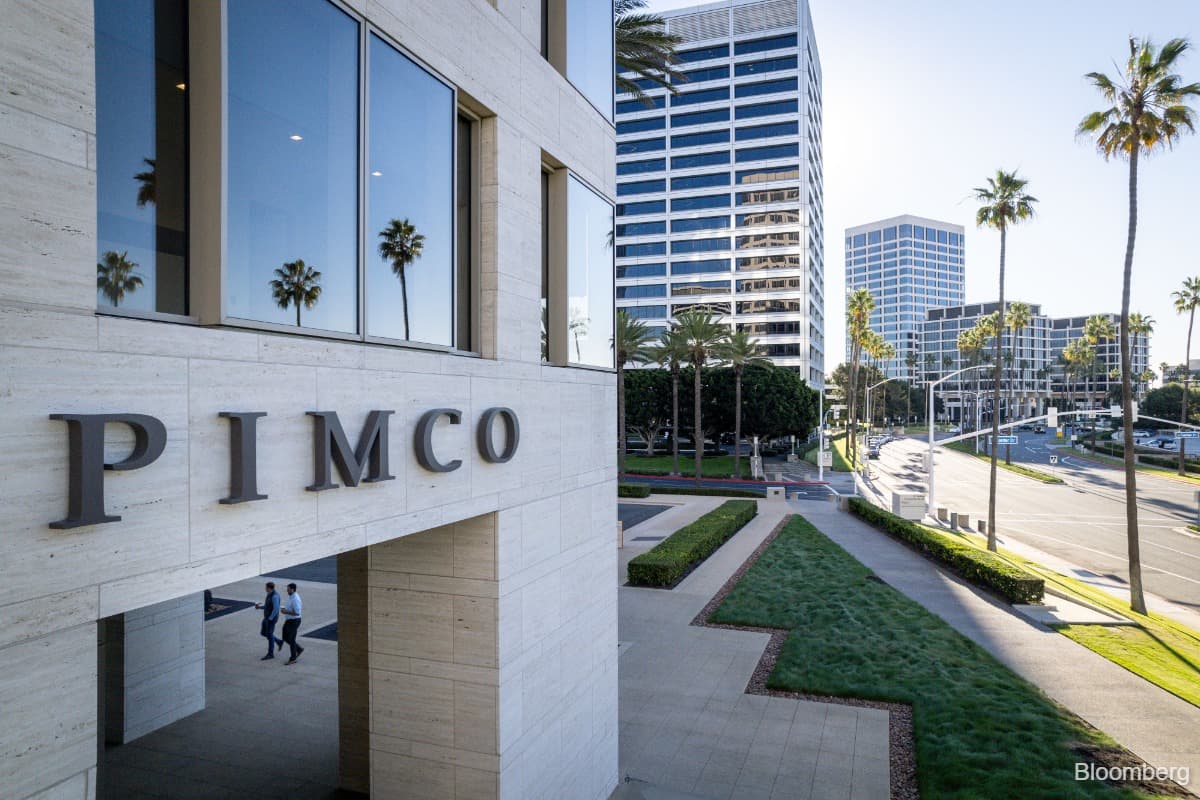
(Oct 28): Investing giant Pacific Investment Management Co (Pimco) helped supercharge the artificial intelligence (AI) debt boom with billions of dollars in lending in 2025 — and has cut positions just in time to skirt losses and eke out a profit.
With a series of well-timed sales, interest rate hedges and a decision to skip later AI bond deals, Pimco has so far managed to duck the billions of dollars in hits that fixed-income investors now face after a flood of debt overwhelmed the market and sent prices tumbling.
Pimco’s most notable AI investment came last year, when it anchored a debt deal with about US$18 billion (RM73.53 billion) that allowed Meta Platforms Inc to build a massive Louisiana data centre project without weighing down its own balance sheet. The financing became a template for future deals, including the firm’s investment in Oracle Corp’s massive data centre campus in Michigan.
Some half a trillion dollars of borrowing later, the bond giant that helped kick off the binge has pulled back on some of its largest positions, in some cases months after buying, according to people familiar with the matter.
In addition to the roughly US$18 billion of Meta-related debt, Pimco backed US$10 billion of the Oracle deal across its funds, Bloomberg reported at the time. It now holds about 50% less of each position, filings show, having sold the remaining parts when the notes were trading higher, the people said, asking not to be identified discussing confidential information.
After initially gaining, the bonds backing Oracle’s Michigan development — issued at a discounted price of 98.7 cents on the dollar — have since dropped to around 88 cents, according to the industry’s price-reporting system, known as Trace. As a so-called anchor investor, Pimco bought the bonds at a significant discount to the official price, minimizing potential losses, according to a person familiar with the matter.
In the case of the Meta debt — known as Beignet — Pimco flipped about US$3 billion of the bonds six to eight months after buying, when the debt was trading above par, one of the people said.
In the initial months after pricing, the debt rallied to more than 110 cents on the dollar.
The moves reveal how a large investor is taking quick action to protect itself against losses, and is walking a fine line between attempting to profit from the AI boom while navigating the risks that lie in the vast sums spent on its development.
Despite reducing its positions, the asset manager is still among the largest holders of the multibillion-dollar data centre financings in Michigan and Louisiana. Prices on both of those bonds have fallen in recent weeks.
The bond giant has become one of most vocal critics of the private credit boom, warning of loose lending standards as the industry has ballooned to more than US$1.8 trillion. And it’s recently been more cautious on artificial intelligence bets.
For example, the firm opted not to invest in a jumbo debt deal for Broadcom Inc and Anthropic PBC earlier this year, and passed on deals such as SoftBank Group Corp’s roughly US$11 billion junk bond and Oracle-tied loans for a New Mexico data centre, the people said.
Still, the firm bought a US$4 billion slice of a huge SpaceX financing deal that will help expand its AI ambitions, Bloomberg reported Monday. Such investments have put Pimco alongside alternative-asset behemoths including Blackstone Inc and Apollo Global Management Inc in helping shape how some of the industry’s biggest debt financings are structured.
A representative for Pimco declined to comment.
AI dangers
Other large AI debt deals, including Broadcom’s, have lost value in recent weeks. Those bonds are being quoted for around 96 cents on the dollar.
Shares of Meta slumped last week after chief executive officer Mark Zuckerberg told investors the company would bet even more aggressively on AI.
The price of insuring Meta debt against default over the next five years rose to a record last week as investors braced for the company to take on more debt or related liabilities.
AI companies have telegraphed their enormous spending plans for data centres and chip development, causing investors to call out the exuberance over the technology and compare it to the run-up to the dot-com crash.
Billionaire Citadel founder Ken Griffin said last week that companies are still confronting the implications of AI, including how much they’ll spend on the technology and how it might impact the economy.
Later last week, Blackstone president Jon Gray took a different tack, saying investors don’t need to fear that the AI boom will turn into a bubble.
“When you think about a bubble, you think about building capacity and then hoping the demand comes,” Gray said in an interview with Bloomberg Television, after the firm reported quarterly results. “With AI, you’re building capacity, and you’re hoping you can keep up with the demand.”
Uploaded by Felyx Teoh