

This article first appeared in The Edge Malaysia Weekly on October 26, 2026 - November 1, 2026
Datuk Ho Leng Wai, executive chairman of CY Plastic Recycling Group of Companies, began his career in this industry on the ground. He started by collecting plastic scrap and later made a trip to China to learn how to turn it into new plastic again.
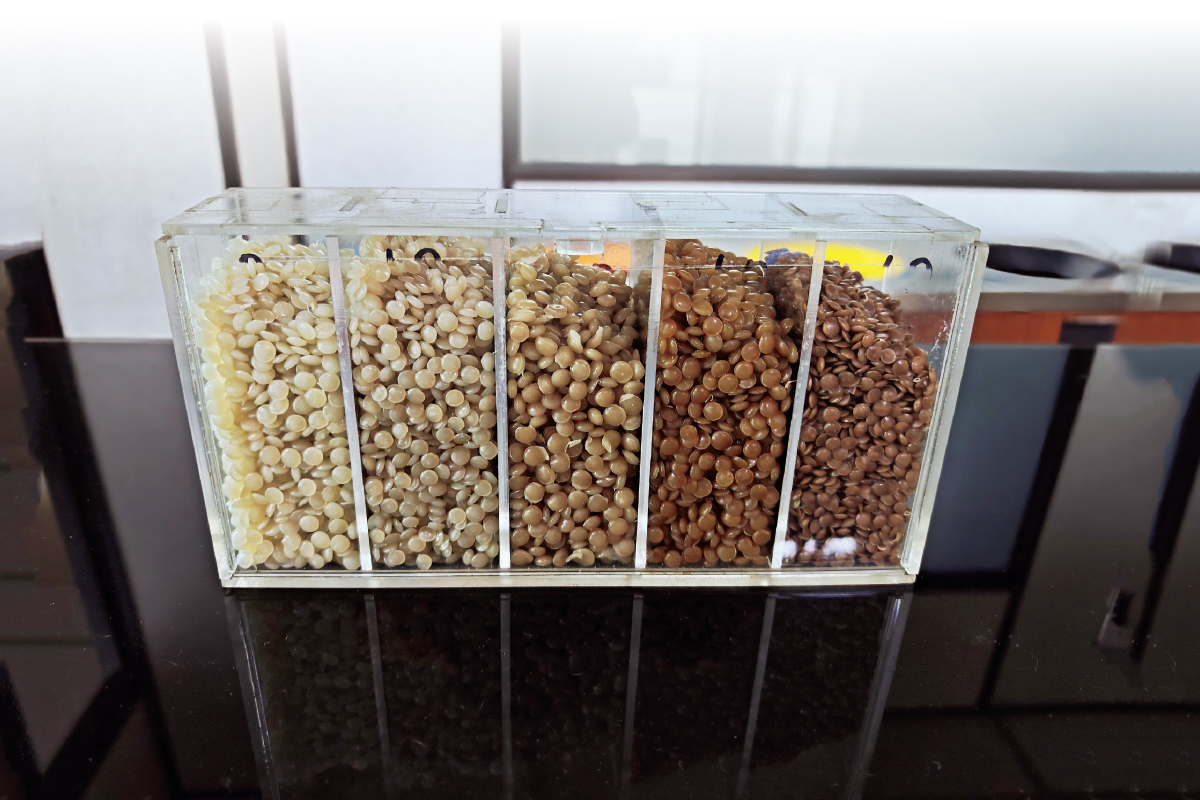
In 2004, he established a factory in Kota Kemuning, Selangor, to manufacture flexible plastic products from recycled plastic and began exporting resin and products overseas.
In 2020, he set up another factory in Rawang and began importing plastic scrap, including post-consumer and post-industrial waste, for recycling.
Demand for post-consumer recycled (PCR) plastics has risen in recent years as governments have introduced measures to address plastic waste.
However, this has also brought greater demand for traceability and certification of recycling processes.

This is especially important for post-consumer plastic waste, which tends to be more difficult to collect and trace than post-industrial (PIR) plastic waste.
“When we talk about the PCR market, the customer needs to ensure that our recycling is done properly and legally. Secondly, they need to ensure what they’re buying actually helps the environment, so they want you to prove that the plastic scrap is from consumers,” says Ho.
The company obtains its supply of scrap from collection centres and has to work closely with suppliers to verify its sources.
“Sometimes, we’re on site or we refer to photos. We link the batches to our resin,” he says.
This information is required to obtain the relevant certifications from bodies and schemes such as Sirim, the Association of Plastic Recyclers (APR), RecyClass, the Global Recycled Standard and ISCC PLUS.
Giving flexible plastic waste a value
It is now common to see multinational fast-moving consumer goods companies stating how much of their packaging contains recycled material, especially plastic bottles.
Collecting flexible plastic — such as shrink and stretch film — from consumers, however, is not as easy.
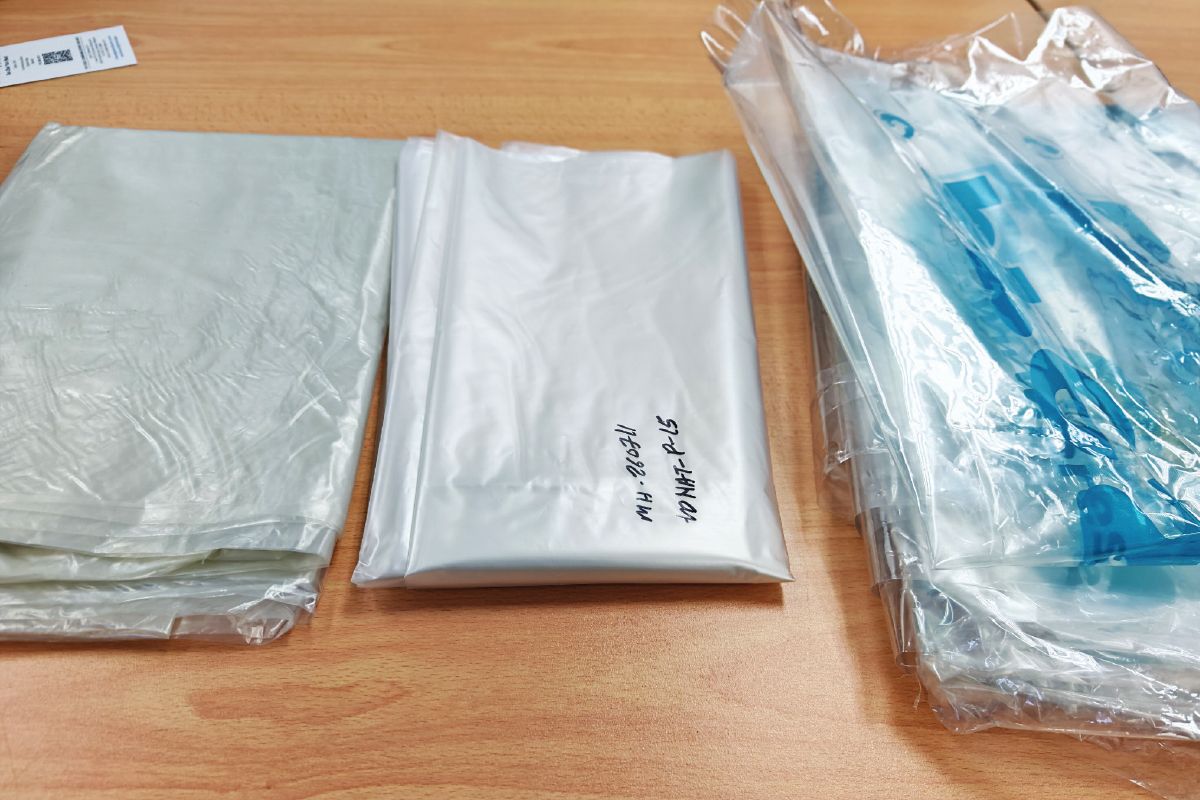
Turning it back into flexible plastic products, including higher-grade products such as medical bags, also presents challenges.
One is the lack of consumer awareness that such plastic is recyclable.
Even courier bags, which are now ubiquitous owing to the widespread use of e-commerce, can be collected and recycled.
The poor quality of some of these plastic products is another problem.
“We will collect it but sometimes the quality is not good because it has too many tags. So, we might turn it into a lower-quality product and can’t make it back to a courier bag. A lot of things that we recycle now cannot be turned back into what it was,” says Ho.
He draws a comparison between flexible plastic waste and aluminium cans. The latter have value, so people collect them.
“Nobody educates consumers that this has value and you shouldn’t simply throw it away … Who profits the most [from this process]? It’s the manufacturers, so everyone is expecting them to adopt ESG and shoulder more responsibility,” he says.
Plastic bags used to hold rubbish — a common practice among Malaysians — cannot be recycled due to contamination, he says.
Meanwhile, straws are not made of low-density polyethylene (LDPE), so the company does not collect them.
They are also lightweight and have little value.
“The problem with recycling is there must always be value; otherwise, nobody will collect it,” he says.
Taxing the use of virgin plastic
To spur demand, Ho calls for regulations such as plastic taxes, citing measures in Spain and Portugal.
Other European Union countries, such as Germany, require manufacturers and importers to pay an annual levy.
PCR plastic is more expensive, partly because of the certification and traceability requirements, says Ho.
“To reduce cost, the government must have incentives for those who do this. Anything that involves recycling comes with cost. New things are always easier to do than old things,” he says.
“The government can enforce more tax on plastic that has no PCR content and require a certificate to show it. The whole society must pay and companies that profit from this must do more.”
Consumers must accept recycled plastic
Another necessary change is greater consumer acceptance of recycled flexible plastic products, which tend to be darker in colour.
Many manufacturers opt for clear flexible plastic made from virgin materials to wrap their goods.
“How can I win this if consumers want it to be clear and transparent? There was once I had a lot of clear plastic bags that come from the dry cleaners. It’s very transparent and beautiful but you only use this once. It becomes waste. It’s very hard to achieve this quality using PCR; we need to have a lot of resources and collaborate with collection centres,” says Ho.
Consumers will need to accept that plastic with more PCR content can benefit the environment and society, even if it looks different.
Ho says the company has been conducting research and development with other companies to find solutions and create more products from PCR plastic.
“We are talking to large manufacturers to innovate. We need to be very transparent with them. They used to use virgin materials; how can we manage the costing?” he says.
Save by subscribing to us for your print and/or digital copy.
P/S: The Edge is also available on Apple's App Store and Android's Google Play.