

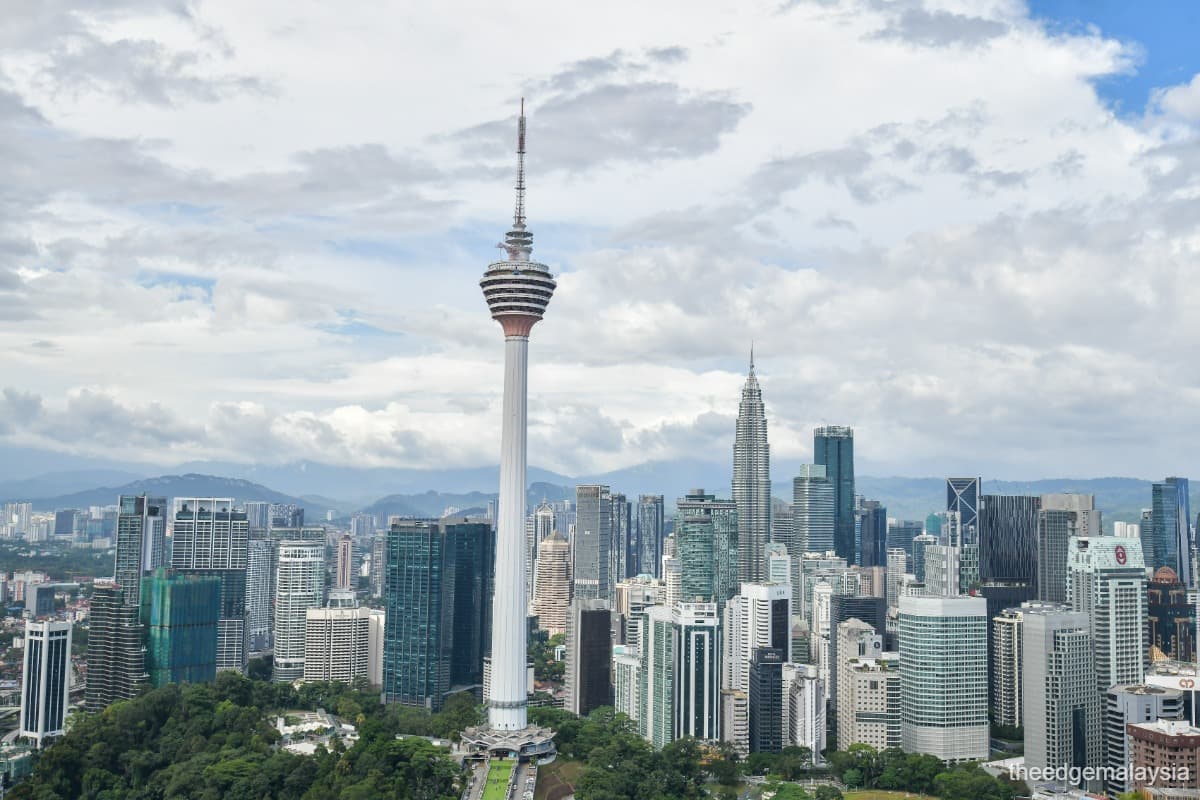
KUALA LUMPUR (Oct 28): Fitch Ratings estimates Malaysia’s Islamic finance industry to have exceeded US$800 billion at the end of the third quarter of 2026 (3Q2026), with growth expected to continue, supported by a deep domestic market, a mature ecosystem and policy support under Budget 2027.
The rating agency said Malaysia was likely to retain its position as a global leader in sukuk and a key market for Islamic banking, Islamic funds and takaful.
However, growth prospects remain subject to external market volatility, lower sovereign sukuk issuance and sensitivity to currency, interest rate and commodity price movements.
“We estimate Malaysia’s Islamic finance industry to have exceeded US$800 billion at the end of 3Q26, representing more than 150% of gross domestic product (GDP).
“This was led by sukuk (47%), followed by Islamic banking assets (42%), Islamic funds (8%) and takaful (3%),” it said in a non-rating action commentary on Wednesday.
Fitch said the industry’s resilience was underpinned by the depth of the domestic market and one of the world’s most developed Islamic finance ecosystems.
All Malaysian sukuk and Islamic finance entities rated by Fitch were investment-grade at the end of 3Q2026, with government support remaining an important driver.
Malaysia remained the world’s largest sukuk market at the end of 3Q2026, accounting for 33% of global sukuk outstanding and about 64% of the domestic debt capital market.
The government also returned to the US dollar sukuk market with a US$1.5 billion issuance, following a five-year hiatus.
“We expect government debt, including sukuk, to decline gradually, supported by nominal GDP growth and planned fiscal consolidation. Debt is likely to fall to around 74% of GDP in 2027 (2025: 77%), although this would remain above the current ‘BBB’ median of 57.4%,” Fitch said.
Fitch rated more than US$11 billion of Malaysian sukuk outstanding at the end of 3Q2026. All were sovereign issues rated "BBB+" with a Stable Outlook, and about 95% were denominated in ringgit, with an average tenor of 18.6 years.
Fitch-rated ringgit sukuk were among the most liquid globally in early October 2026 and were one of the few sukuk segments to have exceeded pre-war liquidity levels.
Meanwhile, foreign holdings of government debt fell to 20.6% at the end of the first half of 2026 (1H2026), from 21.6% at the end of 1Q2026, highlighting the market’s sensitivity to external conditions.
Other segments of the Islamic finance industry also remained sizeable. Islamic financing accounted for 44.3% of total banking system financing in August 2026, up from 44.0% in 2025.
“We expect it to grow further over the medium term as banks prioritise Islamic finance strategies,” Fitch said.
Islamic funds accounted for 22.4% of industry assets under management at the end of 1H2026, while takaful represented about 20% of insurance industry assets at the end of 1Q2026.
Fitch said digitalisation and sustainable finance could provide further impetus to industry growth.
Khazanah Nasional Bhd’s debut tokenised sukuk and Bank Negara Malaysia’s launch of SSDS+ marked further progress in the development of tokenised Islamic capital markets.
Environmental, social and governance debt outstanding rose by 27% year-on-year to US$21 billion, with sukuk accounting for 92% of the total.
“Malaysia’s Capital Market Masterplan 2026-2030 targets cumulative financing of RM90 billion to RM100 billion for environmental and social priorities,” Fitch said.
Uploaded by Liza Shireen Koshy