

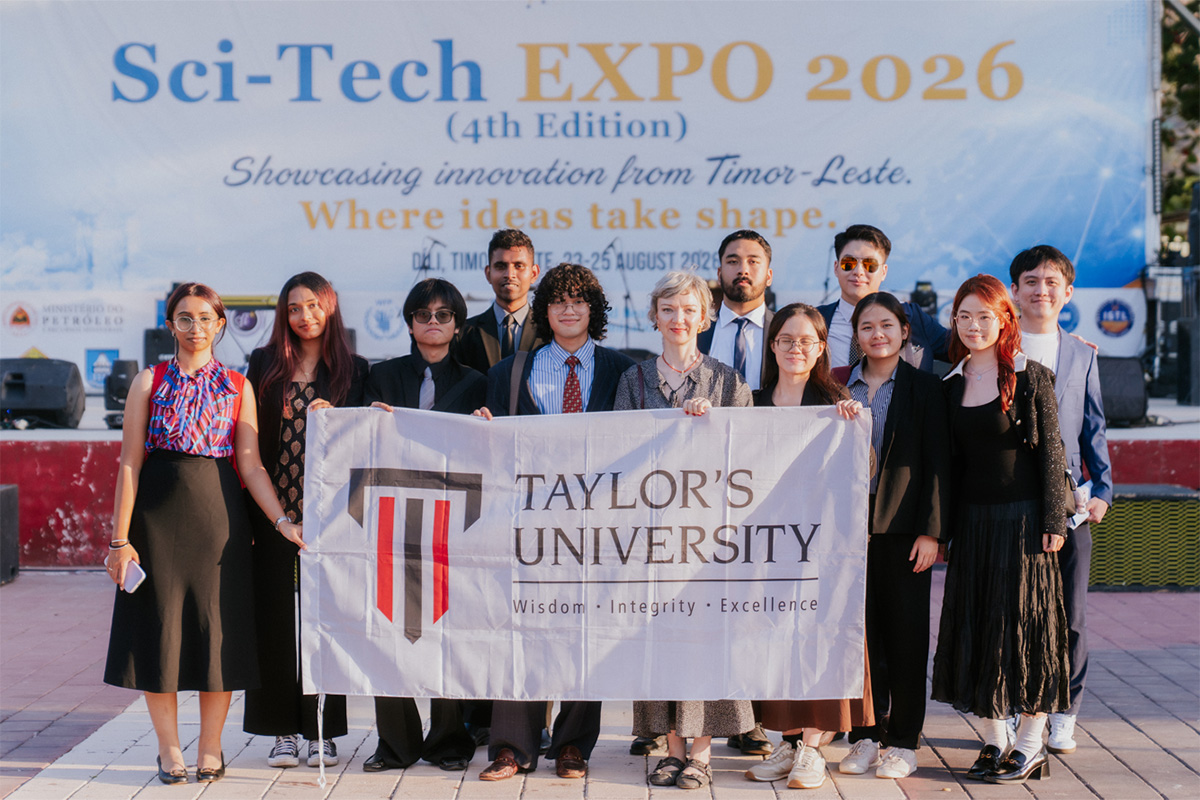
When studying philosophy, politics, and economics (PPE), textbook theories offer neat formulas for how nations and societies function. For three students from Taylor’s University’s —Dalwyn Chow Yan Wei, Seth Andrei Llarenas Cadongonan, and Olivia Pearl—a five-day study trip to Timor-Leste brought these ideas to life through first-hand experiences with governance, diplomacy, economics and social development.
The study trip reflects the experiential learning approach at the heart of Malaysia’s first and only Bachelor in Philosophy, Politics, and Economics (Honours) programme. Designed to provide a multidisciplinary, industry-focused approach to social sciences within Southeast Asia’s dynamic economic and political landscape, the programme prepares students to navigate an increasingly interconnected world.
Bridging theory and real-world experience
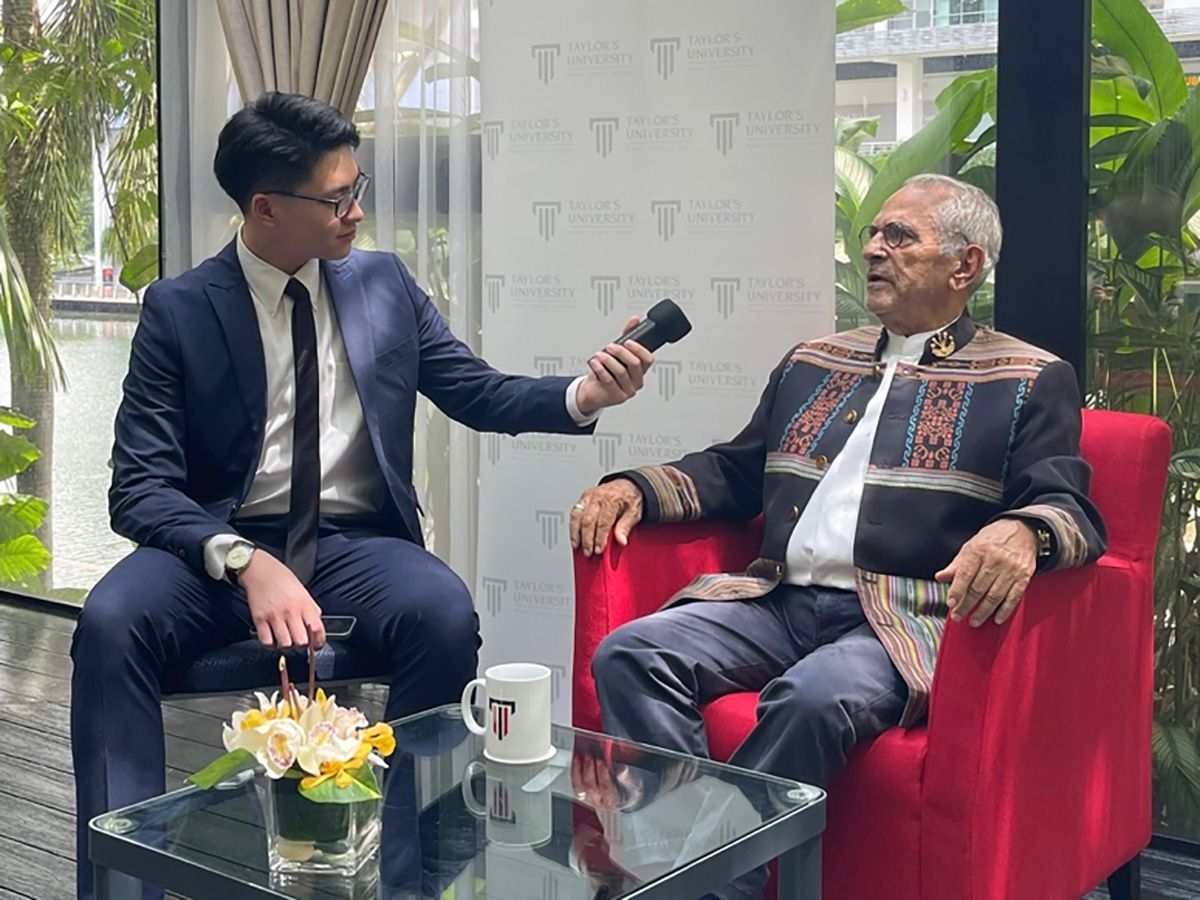
For 21-year-old Malaysian student Dalwyn Chow Yan Wei, the journey began through his earlier encounter with Timor-Leste’s President José Ramos-Horta during the President’s visit to Taylor’s University. The experience sparked Chow’s interest in the country’s history, independence and economic development, motivating him to learn more before the study trip.
“Prior to that, I didn’t know much about Timor-Leste, to which I then tasked myself to study about them in preparation of the arrival of His Excellency. As I dove deeper into learning about Timor-Leste, I slowly became interested in their history of independence, the economic challenges and opportunities that they were presented with and the next steps of this young nation,” he said.
During the study trip, Chow met President Ramos-Horta and officials from the Ministry of Foreign Affairs and Cooperation, gaining first-hand insights into Timor-Leste’s development journey. These conversations reinforced his understanding that political, social and economic issues are closely interconnected, and that addressing complex challenges requires perspectives from multiple disciplines.
Understanding governance and diplomacy
For 19-year-old Filipino student Seth Andrei Llarenas Cadongonan, being physically present in Southeast Asia’s youngest nation transformed his understanding of political structures.
Concepts such as the separation of powers, institutional development and democratic governance, which students typically encounter through lectures and readings, became more tangible as he observed how institutions operate within a developing state.
Cadongonan noted that Timor-Leste’s evolving institutions provided an opportunity to see the building blocks of governance more closely. Conversations with presidential staff, local shopkeepers and coffee plantation workers also offered perspectives on regional tensions, climate change and the country’s efforts to diversify its economy.
These encounters went beyond formal lessons, encouraging Cadongonan to consider how national development is shaped not only by institutions and policies, but also by the people who experience them.
“We learned that it truly requires a gigantic collective effort, needing virtuous leaders with a vision and a willing and able populace, to advance a country. Experiencing this trip alongside other students in PPE encouraged us to think of our own role in shaping the future of our respective countries and the Asean region at large,” he explained.
Youth leadership and social change
For 18-year-old Malaysian student Olivia Pearl, the study trip highlighted how the three disciplines within PPE can complement one another when examining real-world issues.
“Philosophy allows me to understand the systems and critically think on issues, politics enables me to carry out both normative and positivist analysis on issues and economics helps me assess what the best move could be for a nation’s finances.”
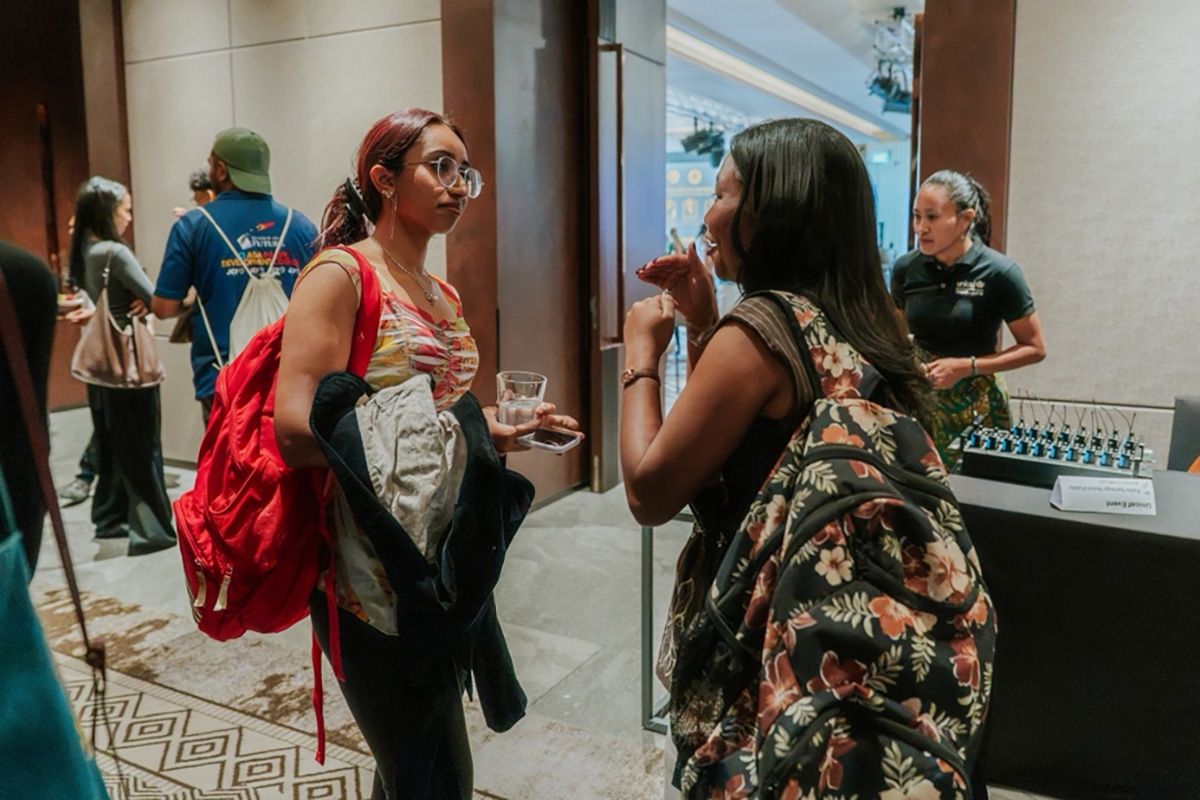
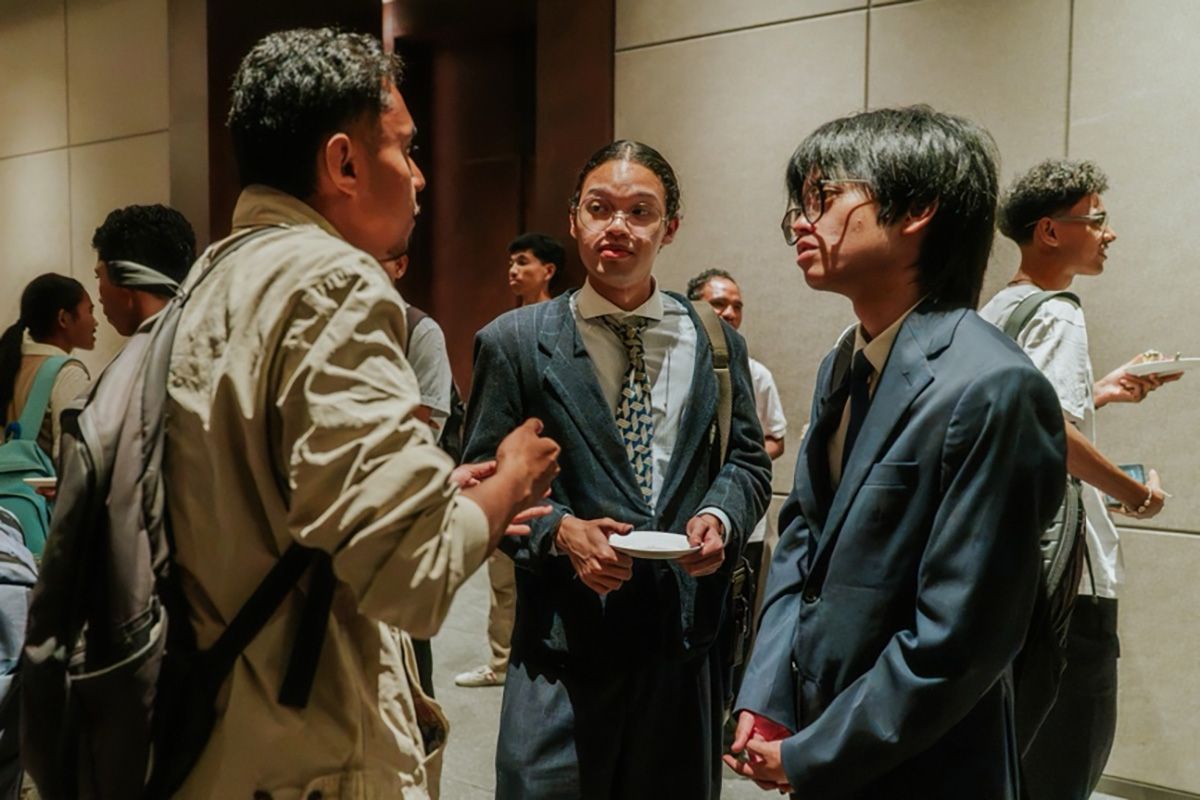
Her experience also extended beyond governance. During a UNICEF session on social change, Olivia engaged in discussions on youth advocacy with local student activist Alexandra Toby. She discussed how patriarchal structures impact young people in both Timor-Leste and Malaysia.
On the sidelines of the Science for Development Summit 2026, she also had a brief exchange with Nobel Peace Prize laureate and child rights activist Kailash Satyarthi, discussing the systemic obstacles youth face when pushing for societal reform. The interactions underscored the vital role young leaders play in shaping emerging democracies.

Learning through human connections
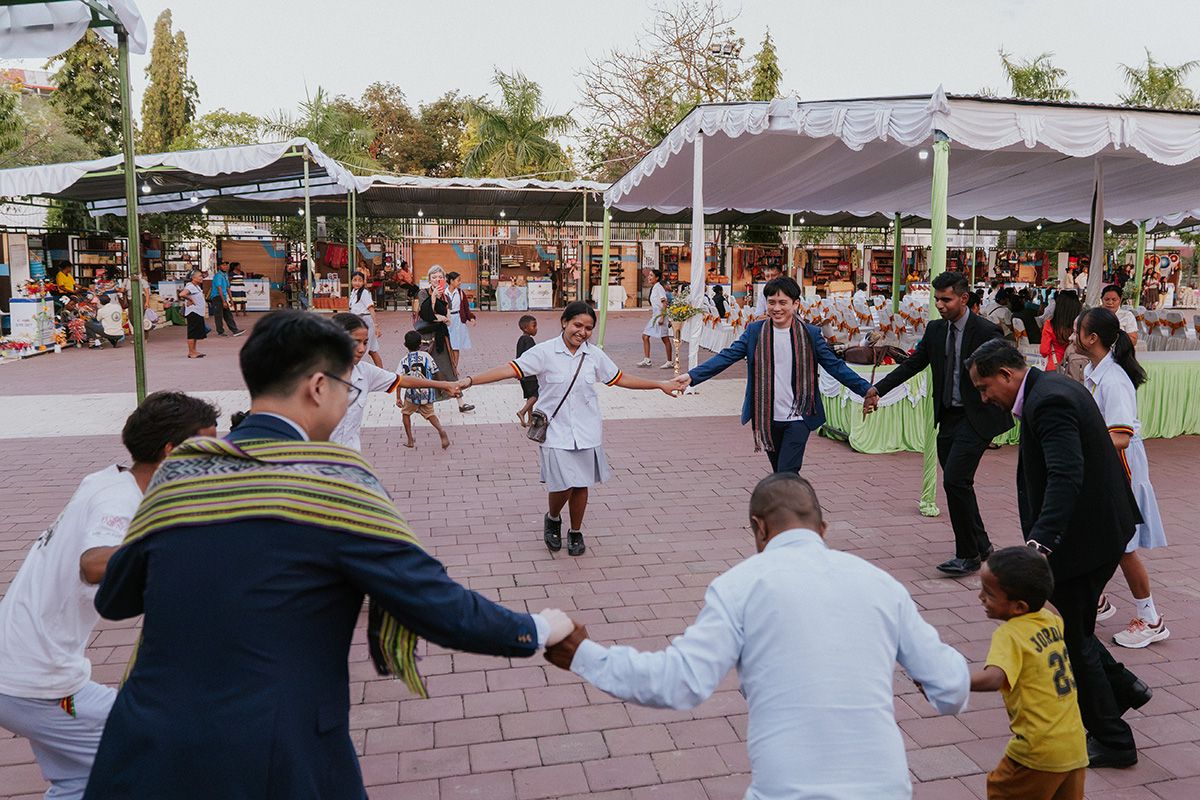
While formal meetings provided high-level policy insights, informal interactions left some of the deepest impressions.
For Chow, building rapport with the delegation’s host from the President’s office offered a window into Timorese culture and language. Learning Tetum terms such as maun boot (a respectful term for an older brother) added a personal dimension to his academic journey.
Cadongonan was similarly inspired by an encounter with an 84-year-old New Zealand volunteer working independently to support children’s literacy in rural municipalities. The experience highlighted how meaningful contributions to society can take many forms, including through sustained grassroots efforts.
Turning learning into action
All three students plan to channel their learnings into tangible actions. Chow said he aims to focus on urban planning and public transit accessibility in the Klang Valley, Cadongonan on macroeconomics and regional diplomacy, and Olivia on social advocacy concerning women's and children's rights in Malaysia.
The experience reflects the experiential and multidisciplinary approach of Taylor’s PPE programme, where students are encouraged to connect academic knowledge with real-world issues, engage with diverse perspectives and develop a deeper understanding of the region.
Applications for the February 2027 intake are now open, with PPE exclusive scholarships offering up to 100 per cent coverage on tuition fees. Find out more about Taylor’s University’s Bachelor in Philosophy, Politics and Economics (Honours) and how the programme connects academic theory with real-world experiences.