

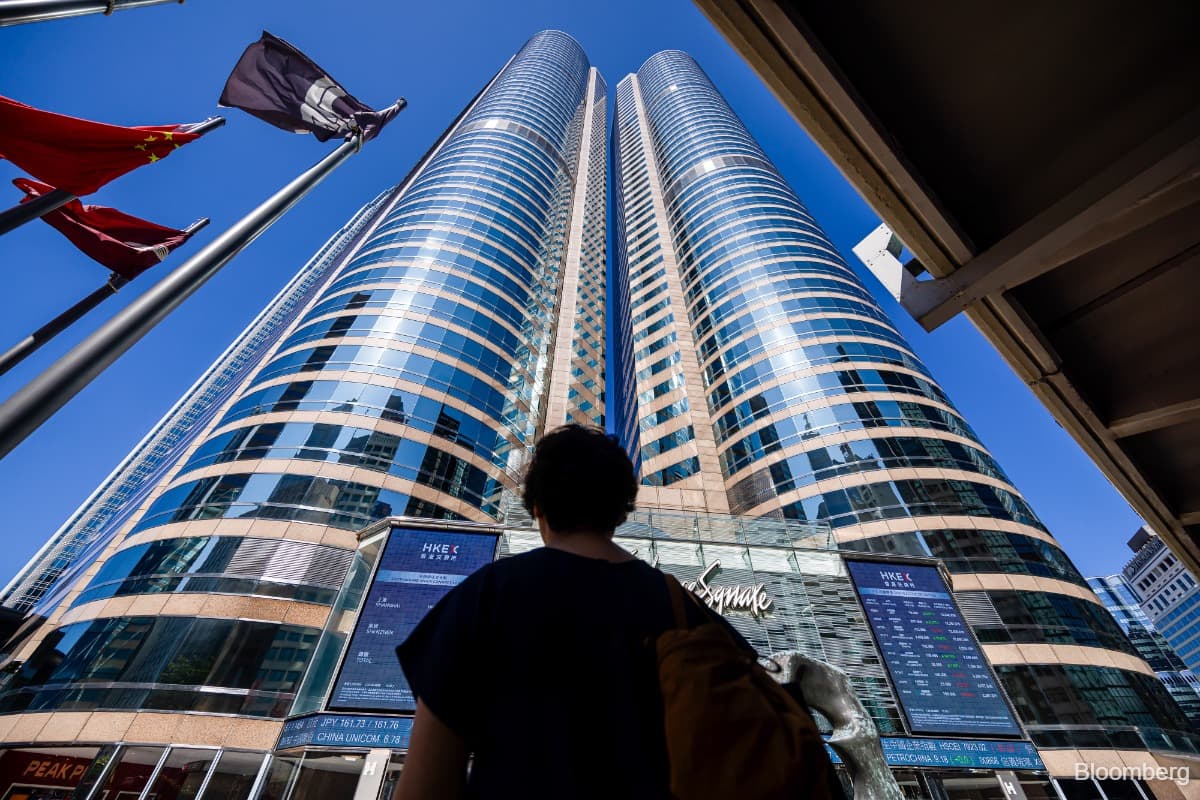
(Oct 27): A dispute involving a Chinese technology firm at the centre of a deal-rigging probe is pulling back the curtain on the sometimes murky details of dealmaking around Hong Kong initial public offerings, just as regulators mount a historic crackdown on suspected market distortions.
The fallout at Tianju Dihe Suzhou Technology Co underscores concerns raised by the city’s securities watchdog. The company is under scrutiny for suspected IPO rigging, its shares have been suspended and senior executives have resigned after a deal linked to a cornerstone backer soured. Both the company and the investor are in the crosshairs of an investigation looking into suspected schemes to create false demand. One of the key red flags the regulator has advised market participants to be vigilant about is listing companies making substantial investments or loans to prospective investors.
At the centre of the episode is a series of transactions around Tianju Dihe’s 2024 IPO. A forensic probe, commissioned by the company after audit questions emerged, found that the data processor invested with two firms after limited vetting. When the notes allegedly matured at dates Tianju Dihe thought had been agreed on, the money never returned. It’s unclear whether the regulatory action was triggered by the probe or started independently of it.
The Suzhou-based company invested in US$6 million (RM24.51 million) worth of so-called cash-management notes with Reynold Lemkins Group Asia Ltd — a cornerstone investor in its IPO — and another US$4 million with Kaufmann & Company Pan-Asia Ltd, a company Tianju Dihe later said had been in a business relationship with Reynold Lemkins. Tianju Dihe is now pursuing legal action in a dispute over the notes, alleging that Reynold Lemkins and Kaufmann didn’t make repayments or distributions.
Tianju Dihe and Yang Dong, a person tied to Kaufmann, didn’t respond to requests for comment. A query sent to an email address listed on Reynold Lemkins’ website couldn’t be delivered.
Hong Kong regulators recently highlighted concerns about the overreliance on IPO-related networks and intermediaries as they stepped up the scrutiny of the city’s booming market for listings. Tianju Dihe’s disclosure offers a rare glimpse into the inner workings of relationships forged during a deal process and how they can evolve into subsequent investment transactions.
The Securities and Futures Commission this month announced one of the most sweeping enforcement actions in Hong Kong’s history. The regulator suspended bubble tea maker Sichuan Baicha Baidao Industrial Co’s stock as it investigates a suspected case of IPO rigging, while it also issued restriction notices to 31 brokers, prohibiting them from dealing with or processing assets relating to two syndicates on three listings.
Separately, the SFC said it had identified cases in which listing applicants may have entered into undisclosed arrangements with investors, without specifying the deals. It pinpointed payments made by listing candidates — loans or investments in favour of investors — among red flags that can help market participants identify “dubious arrangements”.
As part of the measures, the watchdog also restricted 29 brokers from dealing with assets of up to HK$285 million (RM148.41 million) in client accounts related to Tianju Dihe’s IPO.
The company detailed its findings before the SFC this month said it was taking action against Tianju Dihe, Reynold Lemkins, Kaufmann and Liu Haoran, an individual, for suspected fraud to create the false or artificial appearance of IPO demand.
Liu didn’t reply to a request for comment.
Tianju Dihe, whose stock has been suspended since April 2025, made the disclosures after the stock exchange ordered an independent investigation into audit issues. The probe found the company had not verified Reynold Lemkins and Kaufmann’s licences or qualifications, and that the firm had relied on due-diligence work conducted by professional parties rather than conducting its own vetting.
The company was introduced to Reynold Lemkins for a potential cornerstone investment by its then-sole sponsor of the deal, it said, citing the investigator’s finding. Listing documents now show Citic Securities Co as the IPO’s sole sponsor.
A spokesperson for Citic’s CLSA unit declined to comment.
Tianju Dihe had said its subscription of Reynold Lemkins notes wasn’t an indirect benefit or side arrangement given for being a cornerstone investor.
As a form of remedy, the company’s founder Zuo Lei agreed to take up all US$10 million of the notes. Zuo, who was chairman and chief executive officer, and two executives resigned in August as a result of the need for “improvement in the company’s internal control system and a need to implement additional internal control procedures", the company said in a filing.
Reynold Lemkins describes itself as an investment firm. Among the Hong Kong IPO investments the firm has made are supply chain firm EDA Group Holdings Ltd and insurance-agency service provider Zhongmiao Holdings Qingdao Co, according to listing documents. Reynold Lemkins was a cornerstone investor in seven Hong Kong IPOs since 2024, according to listing documents and data compiled by Dealogic.
Liu, who goes by the Western name Kris, has served as the company’s chairman of the China region and chief investment officer, according to a biography on the Greenwich Economic Forum’s website. The biography says Liu has been involved in more than US$25 billion in investments and transactions including IPOs.
Uploaded by Arion Yeow