

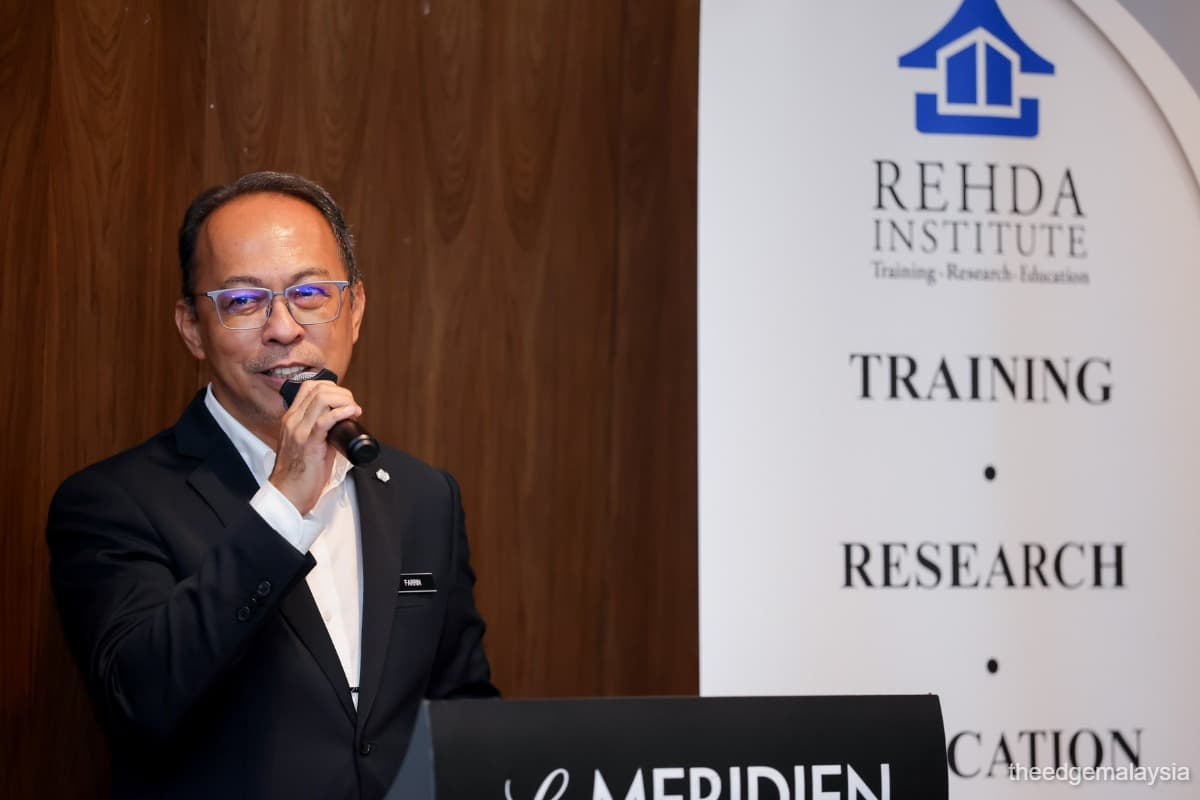
PETALING JAYA (Oct 27): Malaysia’s construction industry must accelerate its adoption of digital technology and automation to reduce its reliance on foreign labour, said Construction Industry Development Board (CIDB) chief executive officer Ahmad Farrin Mokhtar.
The industry has about 600,000 registered foreign workers, while the 13th Malaysia Plan targets a 10% annual reduction in their numbers, equivalent to approximately 60,000 workers a year, he said at the sidelines of the Modern Construction Technology 2026 Roundtable and Forum organised by Rehda Institute on Tuesday.
“As locals won’t take up all these jobs, the only way to replace them is by using technology, robotics, sensors and so on,” said Ahmad Farrin.
He added that CIDB had developed a Digital Maturity Index with Master Builders Association Malaysia (MBAM) to assess the construction sector’s level of digital adoption. The index is expected to be ready in two to three months, although many projects continued to rely on manual processes, he said.
The need to accelerate technology adoption was also highlighted by Rehda Institute trustee Datuk Seri Dr Michael KC Yam, who said improving construction productivity required changes across the entire development process, rather than focusing solely on on-site methods.
Speaking at the forum in his welcoming remarks, Yam identified high upfront costs, insufficient incentives and a lack of expertise as barriers to wider adoption of industrialised building systems.
He said the industry needed to demonstrate the returns from adopting modern construction methods and identify practical steps to encourage uptake.
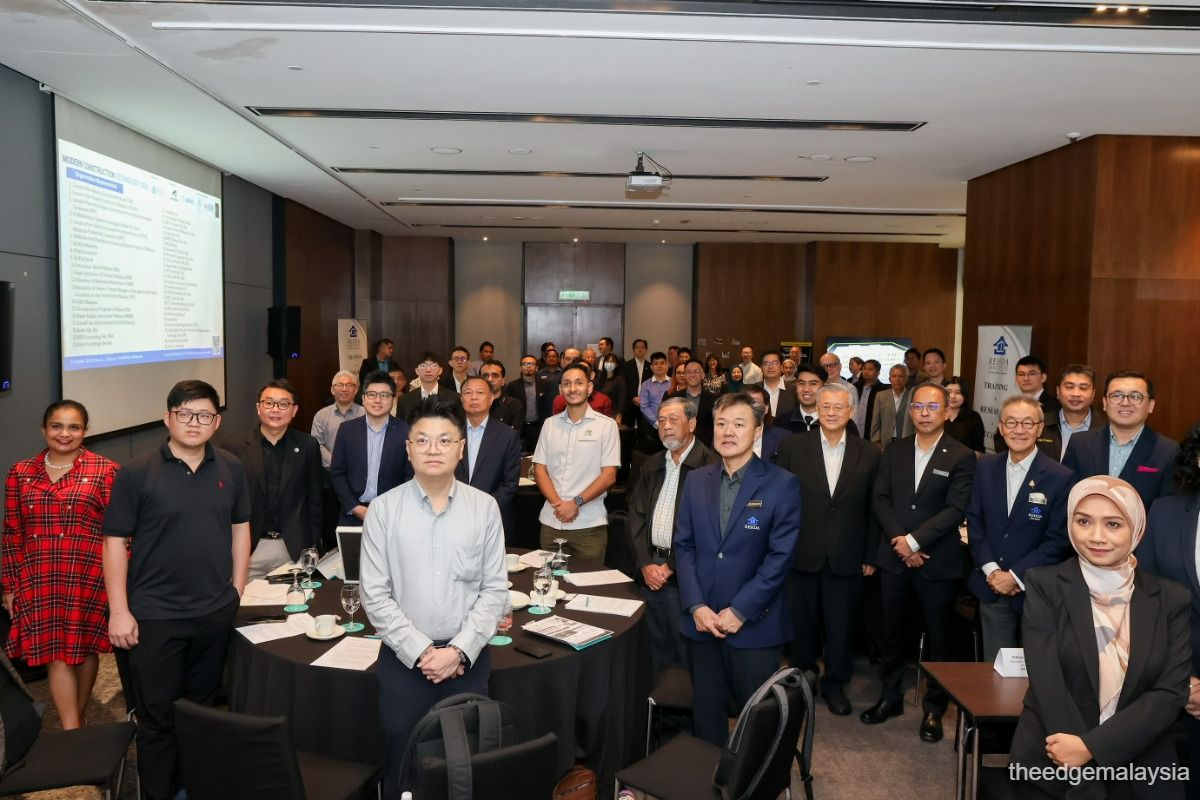
The full-day forum brought together 45 organisations and key stakeholders from construction, manufacturing, property development and educational institutions to discuss the commercial viability of modern construction technology.
Sessions covered building information modelling, artificial intelligence, prefabrication, material innovation and project delivery, with discussions focusing on how technology could improve productivity, cost control and quality while protecting project margins.