

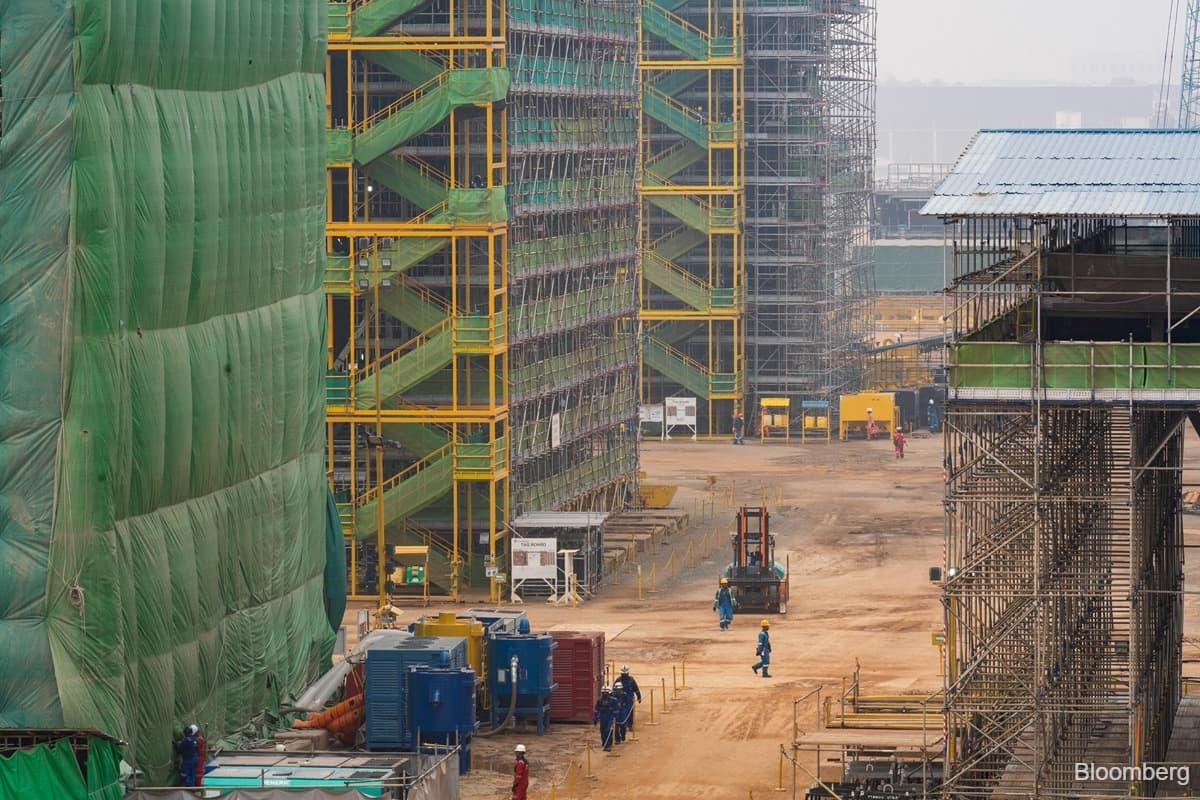
The 30,000-ton platform, known as a high-voltage direct current converter, is scheduled to leave Seatrium Ltd’s yard for the North Sea in 2028, where it will sit 60 kilometres offshore and help transmit electricity generated by wind turbines back to land. It’s the latest effort by Singapore to tap into Europe’s green push.
Singapore is repurposing expertise built over decades serving the largest offshore oil and gas companies for the energy transition. One of the biggest opportunities is exporting these enormous converters — known as HVDC platforms — to Europe, where the technology is widely used to transmit offshore wind power over long distances.
The specialised technology is one bright spot in an otherwise battered offshore wind industry. Investment plummeted 72% year-on-year globally to about US$12 billion in the first half of 2026, according to BloombergNEF. Yet few yards have the expertise and capacity to build the platforms, threatening a supply bottleneck as the European Union pushes ahead with plans to expand capacity.
Seatrium’s platforms, each designed to handle about two gigawatts of electricity, are the largest of their kind in the world. It takes five years to construct one platform, which will operate for 40 years. GE Vernova Inc supplies the HVDC technology in the platforms.
The city-state and nearby islands now account for up to 20% of global capacity outside of China for the platforms, according to Ember analyst Lam Pham, up from a negligible share just a few years ago. Demand is poised to rise as Europe builds wind farms further out to sea, giving the region’s shipyards an opportunity to capture more of the business.
“The country has invested, the company has invested — and this is a showcase of what is possible,” said Chris Ong, chief executive officer of Seatrium.
Seatrium, which is partly owned by Singapore state investor Temasek Holdings Pte Ltd, was tapped by European grid operator TenneT Holding BV to build four platforms for North Sea clusters. About 7,000 workers will build the structures at yards in Singapore and Batam, an Indonesian island that’s 50 minutes away by ferry. Each platform, along with connecting infrastructure, costs as much as €5 billion (US$5.6 billion) each, according to TenneT.