


(Oct 24): Growth and value shares are set for an overhaul after S&P Dow Jones Indices adopted new rules on how to sort equities into the two investment styles.
The index provider will add intangible assets, forward earnings and free cash flow to the list of factors to define whether a company is cheap relative to its share price, according to a statement on Friday. At the same time, 12-month price momentum will be dropped as a criteria to rank a company’s growth potential.
The new rules came after a recent consultation and will take effect at the annual reconstitution before the market open on Dec 21.
The changes are poised to force index-tracking funds to adjust holdings to match the new constituents. Bloomberg Intelligence analyst James Seyffart estimated at least US$375 billion (RM1.53 trillion) of passive funds are tied to the affected gauges.
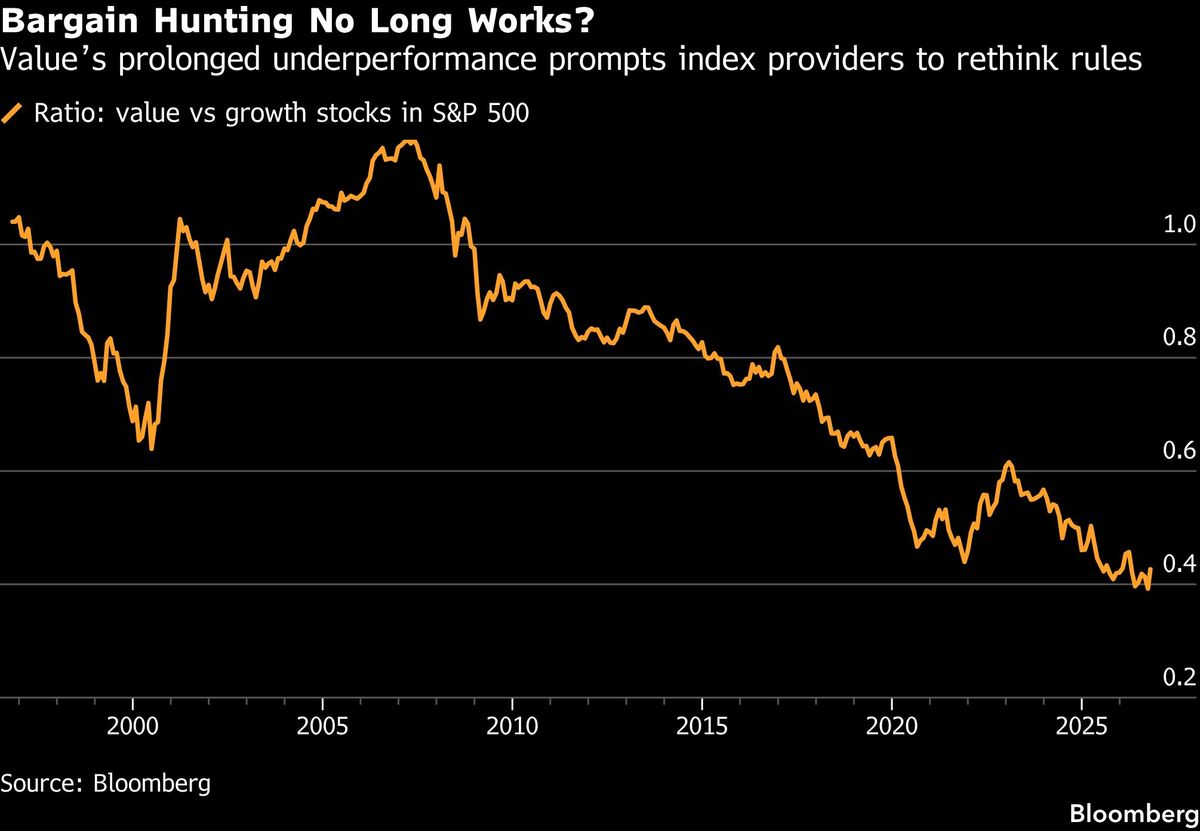
S&P’s decision follows a long debate over whether conventional value measures still work. Researchers and money managers have argued that part of value’s long slump reflected flaws in the metrics, especially price-to-book. The adjustment is meant to account for spending on research and other internally developed assets that accounting rules usually treat as expenses rather than balance-sheet assets. Critics say this makes intellectual-property-heavy companies look expensive and can keep them out of value indices.
S&P isn’t the only index provider that has been mulling changes. FTSE Russell is reconsidering the 50/50 split between growth companies and value stocks in its benchmarks due to the dominance of technology giants in the market. That consultation ends on Dec 11.
Uploaded by Tham Yek Lee