

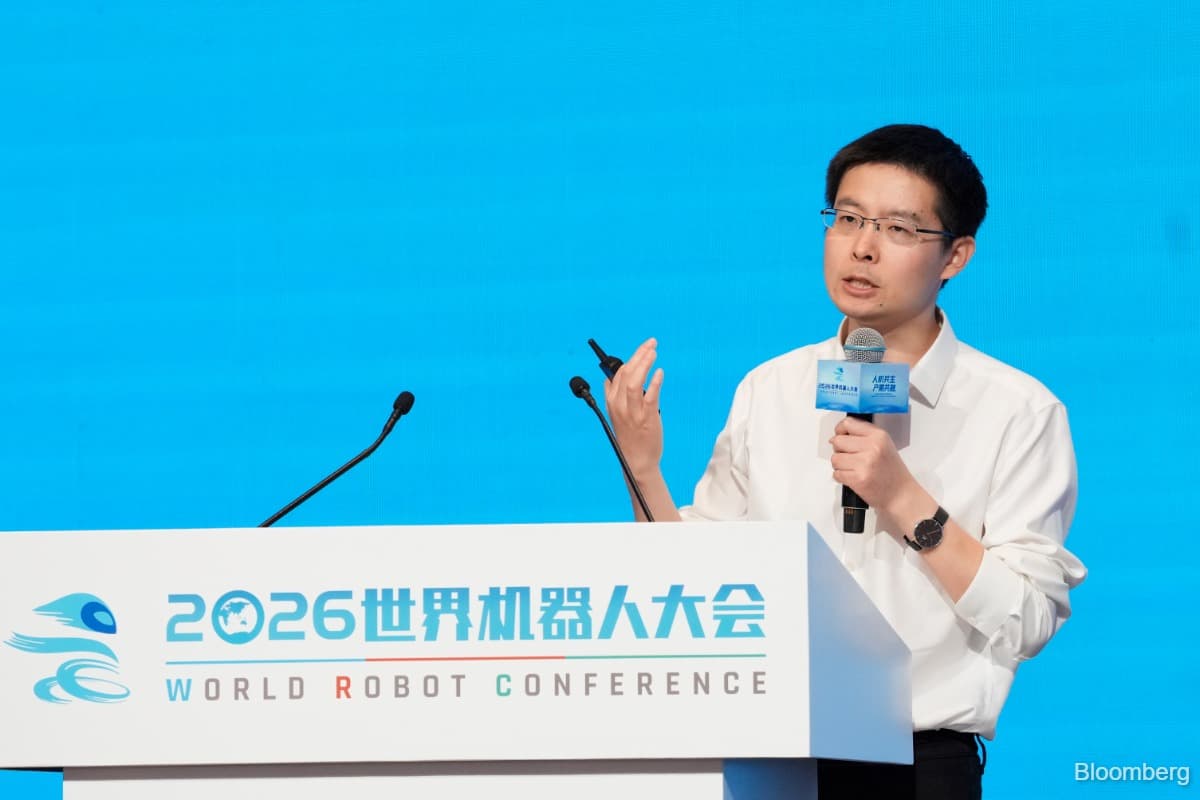
(Oct 23): The founder of Unitree Robotics now expects a breakthrough in humanoids in as little as two years, a reversal for a Chinese entrepreneur who once predicted intelligent machines would take as long as decade to go mainstream.
Wang Xingxing, one of the country’s most celebrated tech leaders, has grown noticeably more bullish on his own industry since his company went public in the summer. The 36-year-old who created the nation’s biggest humanoid manufacturer a decade ago now predicts that, as soon as 2028, the machines can complete 80% of assigned tasks in the factory or home after receiving verbal orders — an arbitrary threshold he defines as the “aha” moment for practical robotic applications.
The comment marks an about-face in Wang’s belief on the timeline for humanoid robots — which have captured the popular imagination particularly in China, but remain largely a niche segment to serve researchers and enthusiasts. In August, Wang told the audience at the World Robot Conference in Beijing that it could take 10 years before they’re deployed on a massive scale at factories and homes to replace human labour.
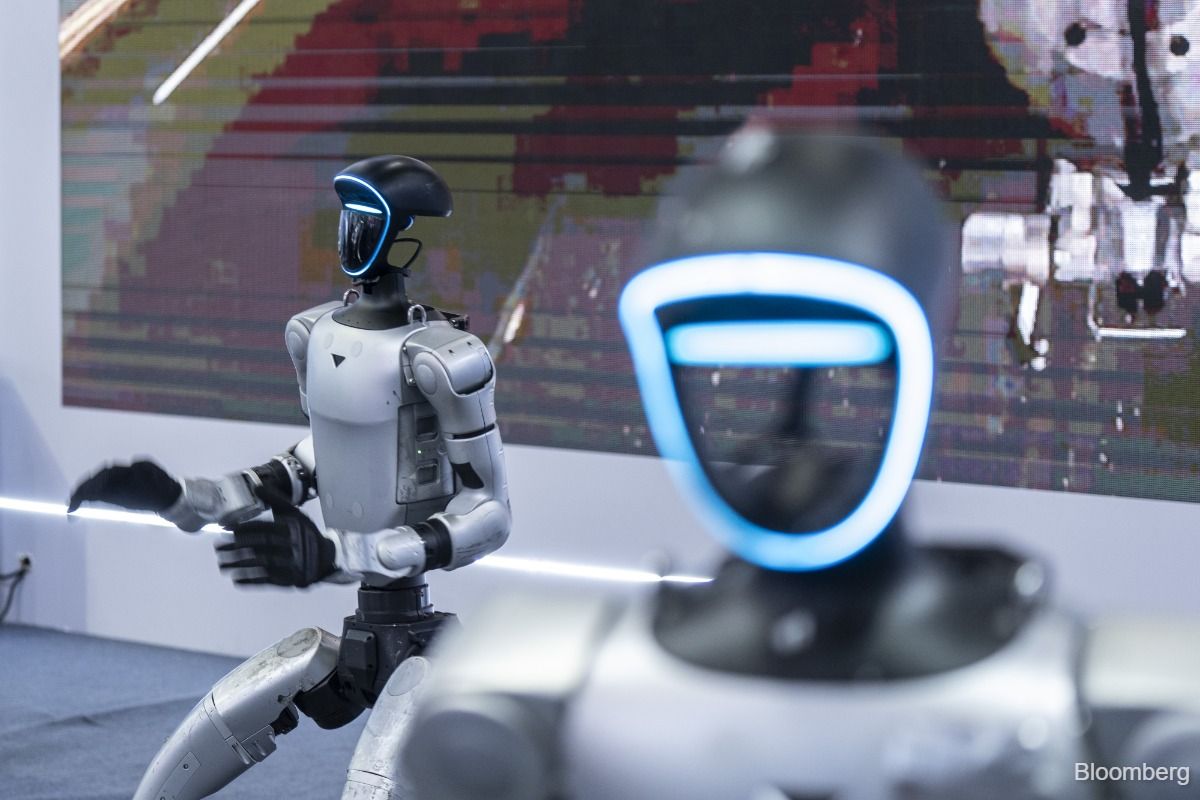
Now, the founder of the company known also as Yushu Technology Co says he’s had a change of heart because of incredible advances in artificial intelligence (AI) models like OpenAI’s GPT-6 in recent months. The model’s ability to guide humanoids through previously un-trained tasks — such as fetching goods — have generated buzz in the developer community on how AI is making progress in the physical world.
“If you take a humanoid home now and ask it to clean the room, honestly I don’t think it can complete that task,” Wang told an industry conference in Hangzhou, according to a transcript of comments shared by his company. But that could become reality within a couple of years, he added. “I had some scepticism about AI model developers last year. But this year I see the most cutting-edge developers have begun letting their models improve themselves,” he said. “As long as you give a frontier model data and time, it will undoubtedly surpass humans in many areas.”
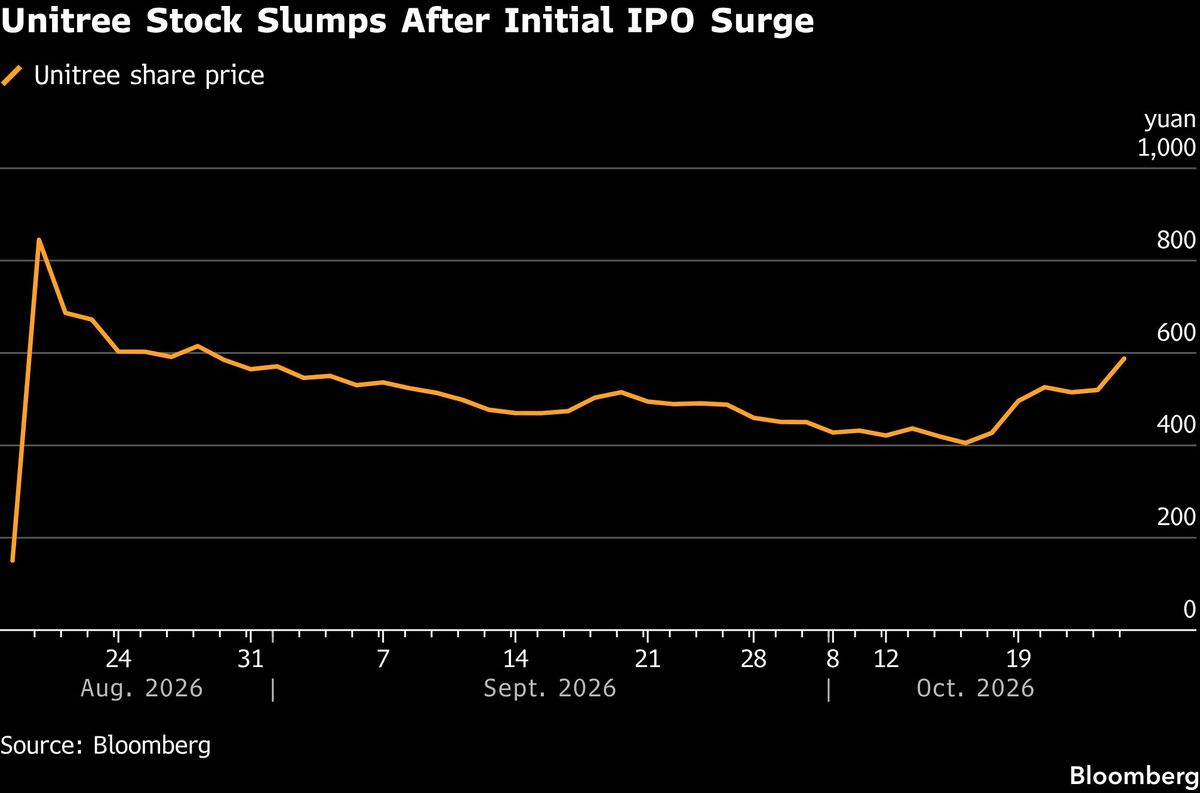
The extent of robots’ capabilities is a key question to investors who drove Unitree’s stock up five-fold on its debut in August. Venture capital firms and state funds have poured more than 100 billion yuan (RM61.1 billion) into backing startups in this field this year in China, according to investment tracker ITjuzi.
Still, some have grown more realistic about the usefulness of robots, particularly as competition intensifies and markets globally begin reassessing AI valuations. Unitree shares have waned since its debut month and are now down about a quarter from their August peak.
To prepare for the humanoid breakthrough, Wang said Unitree will expand production capacity to meet demand for potentially tens of millions of machines, compared to the tens of thousands it churns out every year. This massive demand would also buoy demand for AI chips, according to Wang.
Unitree is now using AI to look up research articles, write code and train humanoid models in simulation before testing in real environments. It then collects feedback to readjust the model. Wang said Unitree’s humanoids powered by the GPT-6 model can now draw pictures, changing colours and rinsing the palette along the way, as well as play Go, placing the pieces precisely on the tiny grid of a game-board.
“People have seen the progress of physical AI and model developers will pay more attention to machine intelligence and the robot industry,” Wang said. “We are developing our own models, while working with AI labs both at home and abroad, so that we can push physical AI to the tipping point faster.”
Uploaded by Felyx Teoh