

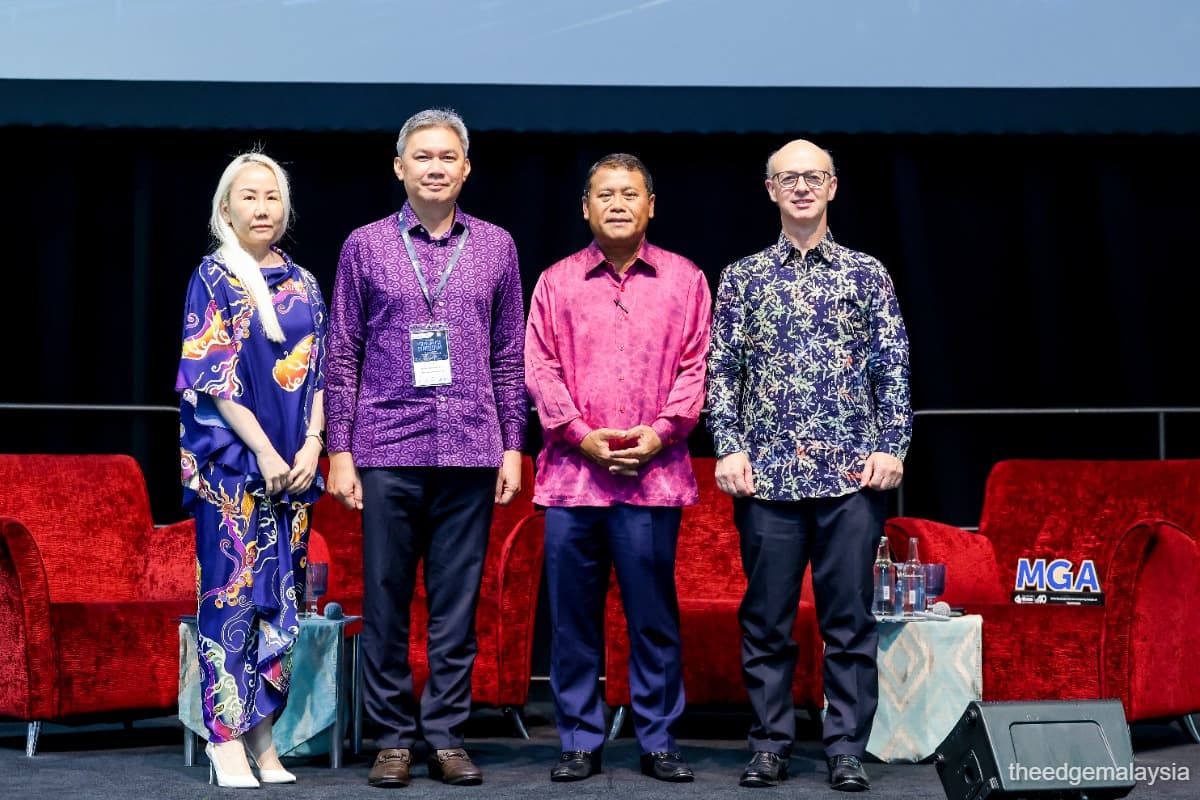
Malaysia must strengthen gas supply security, invest in infrastructure and prepare for future demand to maintain a reliable and competitive energy system amid geopolitical uncertainty.
Malaysian Gas Association (MGA) president Abang Yusuf Abang Puteh said energy security depended on decisions made before disruptions occurred, including how the country planned its supplies, maintained assets, expanded capacity and developed expertise.
“Events far from Malaysia can quickly affect us. Energy security cannot be addressed only when disruption happens. It depends on the choices we make before pressure arrives: how we plan supply, maintain assets, invest in capacity and prepare our people,” he said in his opening remarks at the Malaysian Gas Symposium 2026 (MyGAS) on Thursday.
Natural gas is expected to remain a significant part of Malaysia’s energy mix as the country transitions towards a lower-carbon economy.
Under the National Energy Transition Roadmap’s (NETR) Responsible Transition pathway, the use of natural gas is projected to increase from 41 million tonnes of oil equivalent (Mtoe) in 2023 to 57 Mtoe by 2050, accounting for 56% of total primary energy supply.
Against this backdrop, Abang Yusuf said the challenge was to ensure that natural gas could meet future power demand reliably and competitively while attracting investment into commercially viable projects.
“The question, then, is no longer whether natural gas has a role, but how we deliver on that role responsibly and effectively. How do we keep supply reliable and competitively priced? How do we ensure our infrastructure keeps pace with demand? And how do we develop commercially viable projects that attract investment, manage risk and deliver real value to consumers?” he said.
Themed Powering Confidence: Practical Pathways for a Resilient Energy Future, MyGAS 2026 — organised by MGA — brought together government officials, industry players and other stakeholders to discuss how Malaysia could translate its energy ambitions into practical measures.
In her closing remarks, MGA vice president Choong Yen-Li said building a resilient energy system required collaboration across the energy value chain, including financial institutions, technology providers and service companies.
These stakeholders were instrumental in translating plans into projects and ensuring Malaysia’s energy priorities could be delivered, she said, adding that MGA would continue to facilitate engagement and help turn discussions into action.
“Global developments remind us why resilience matters. Regional experiences show us what may be possible. Malaysia’s response will determine what we deliver,” she said.
The symposium was structured to move from examining global energy trends and regional experiences, to identifying practical measures for Malaysia, with the aim of building confidence in the country’s next phase of energy development.
Energy security hinges on investment, infrastructure
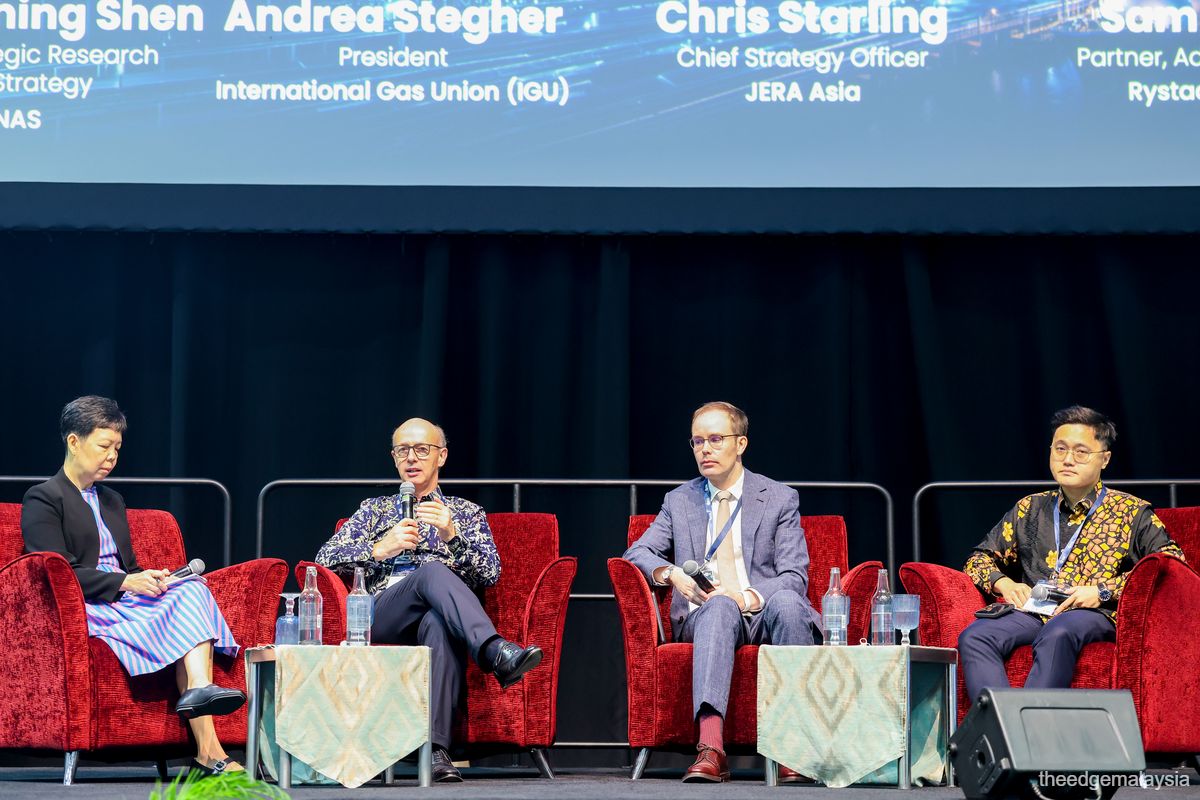
Malaysia’s energy transition is guided by the NETR, which targets to reduce fossil fuels’ share in the total primary energy supply (TPES) from 96% in 2023 to 77% by 2050, while raising renewable energy’s share from 4% to 23%.
Achieving these targets will require substantial investment in cleaner energy technologies, alongside efforts to maintain grid reliability and ensure infrastructure can accommodate rising demand.
International Gas Union (IGU) president Andrea Stegher said the transition should not rely on a single energy source, stressing that adequate financing was essential to turn viable projects into reality.
“To make things happen, you have to have money. And you don't have the ability to promote the right project if you don't have the right finance,” he said.
While renewables would play an important role, Stegher said energy planning also needed to account for demand beyond electricity generation.
“Renewables are having a very important role to play, but ... it’s renewable electricity, not renewable energy. [Globally], 80% of energy is non-electric. There are differences, of course, but we have to have this kind of conversation: candid, pragmatic, and I think the industry can do it,” he added.
Meanwhile, Rystad Energy partner and advisory lead for APAC, Sam Choa, said energy security also depended on countries’ ability to handle supply disruptions and transport fuel to where it was needed.
He cautioned that additional liquefied natural gas (LNG) supplies would offer limited protection without adequate receiving terminals and pipeline connections to distribute the fuel.
“Infrastructure has to be strategically and commercially well thought out. Even with current [high gas] prices today that we are seeing, we have also seen stranded assets that have not been reactivated as well. For example, the Philippines' Batangas [regasification] terminal,” he said.
South Korea, Indonesia highlight gas supply challenges
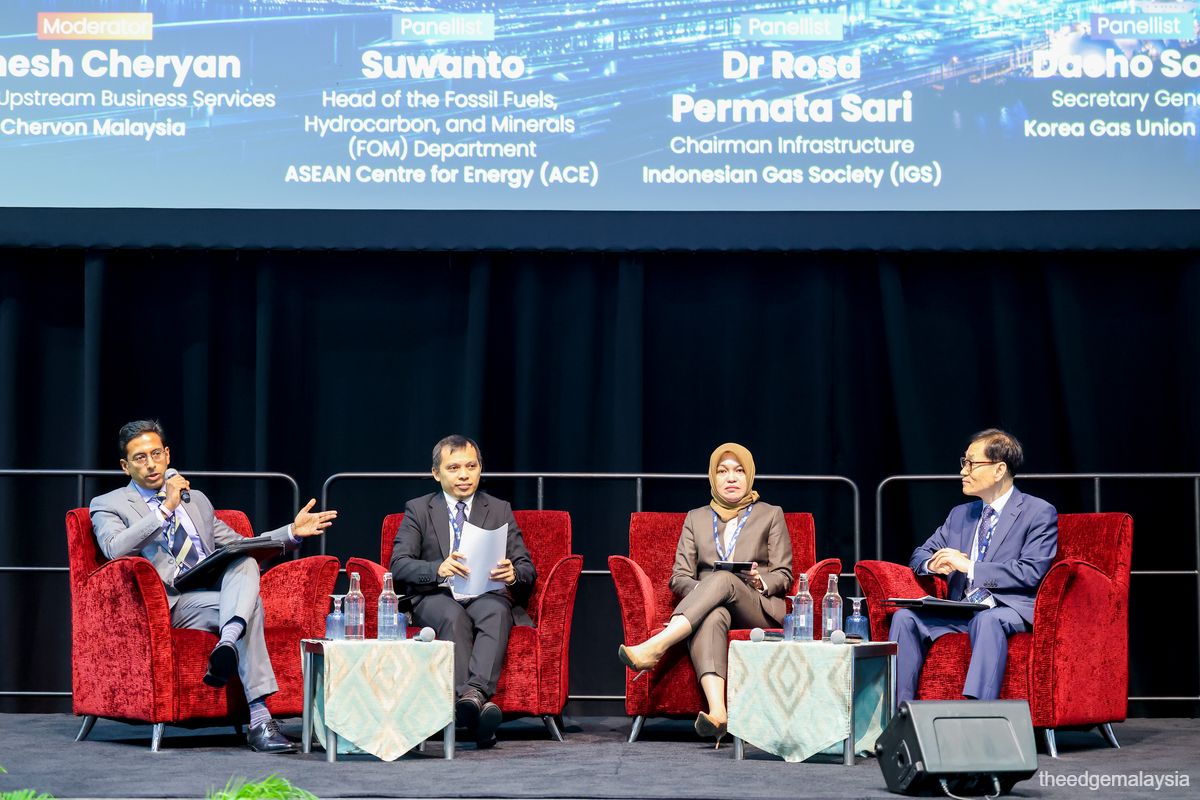
Experiences in South Korea and Indonesia illustrate the challenges of balancing market competition with energy security, particularly when supply responsibilities are unevenly distributed or infrastructure cannot connect gas supplies with demand.
In South Korea, Korea Gas Corp (KOGAS) previously handled all gas imports before large power companies and industrial users began purchasing LNG directly. By 2025, direct importers accounted for about 27% of the country’s LNG imports, said Korea Gas Union (KGU) secretary-general Daeho Song.
While direct imports have expanded buyers’ choices and encouraged private investment, they have also raised questions about responsibility for securing supplies during a crisis.
“KOGAS is required to maintain emergency gas inventories, while private importers do not face the same obligation. During the 2022 energy crisis following Russia’s invasion of Ukraine, some direct importers reduced their LNG purchases, placing greater pressure on KOGAS,” Song said.
The situation fuelled debate over “cherry-picking”, or whether private companies could benefit when LNG prices were low while KOGAS shouldered greater price risks. Private importers disputed that characterisation, he said.
South Korea is now exploring ways to involve private companies in emergency stockpiling and improve coordination of LNG imports and inventories, as it seeks to balance market competition with supply security, Song added.
In Indonesia, the challenge is connecting gas supplies with demand centres that are often geographically separated. Indonesian Gas Society infrastructure committee chairman Dr Rosa Permata Sari said supplies were concentrated in the east, while demand was largely in the west, particularly Sumatra and Java.
In 2024, West Java recorded a gas deficit of about 144 million standard cubic feet per day (MMSCFD), while East Java had a surplus of around 90 MMSCFD. However, inadequate pipeline connections prevented the surplus from reaching areas facing shortages, she said.
Addressing the imbalance would require investment in gas infrastructure, including in areas where initial demand may be too low to make projects commercially viable. Government support may be needed to facilitate development, Sari said.
Beyond domestic infrastructure, she called for greater cooperation between Malaysia, Singapore and Indonesia to strengthen energy security and improve responses to supply disruptions.
Improving gas market access, transparency to attract investment
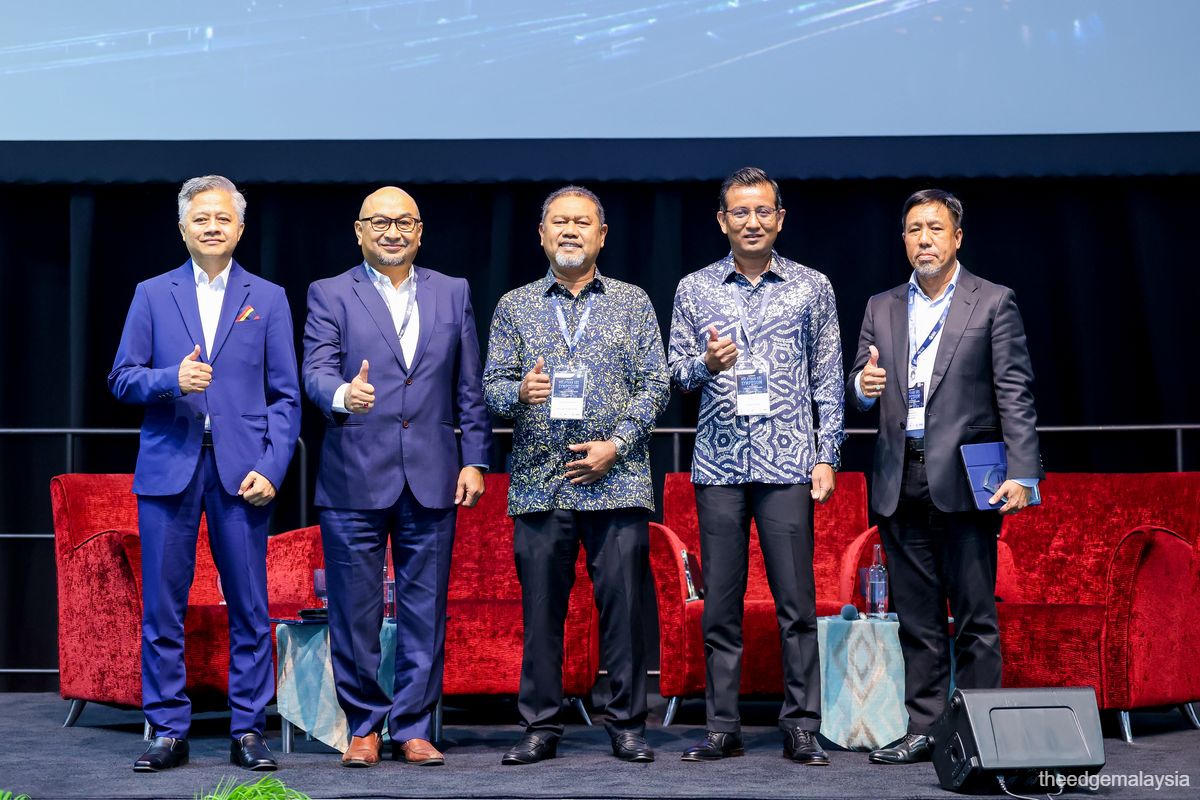
Managing director of Asia Gas Hub Faris Mustaffa said Malaysia should leverage its existing natural gas production, LNG import and export capabilities, extensive pipeline network and regasification terminals to serve regional demand and establish itself as a gas trading hub.
Malaysia’s existing infrastructure, including the Peninsular Gas Utilisation (PGU) pipeline network and regasification terminals, could support gas supplies to neighbouring markets such as Singapore and Indonesia, he said.
However, infrastructure development alone would not be enough. Faris said Malaysia must also make its gas market more accessible and transparent to attract suppliers and buyers. Digitalising market transactions could improve price transparency and efficiency, while enabling market participants to manage their supply and demand more effectively.
Malaysia could eventually develop its own gas price benchmark to serve the wider Asean region, he added.
Meanwhile, Gas Malaysia Bhd president and group chief executive officer Azli Mohamed stressed the need for greater certainty over contractual arrangements after the Gas Framework Agreement (GFA) expires on Dec 31, 2027, saying this would be crucial to securing financing for gas infrastructure projects.
“Contracts are the one that’s driving bankability,” he said, highlighting the importance of clear contractual arrangements to support investment.
Azli welcomed continued engagement between the government and industry on the future market structure, and backed an aggregator model that combines demand from non-power consumers. This could help suppliers manage volume risks and secure the offtake agreements needed to support investment.
He also urged policymakers to provide clearer and more predictable policies, noting that long-lead equipment could take five to six years to procure, affecting project costs and delivery. Greater clarity on the post-GFA framework would help investors plan projects and reduce uncertainty across the gas value chain.