

SINGAPORE (Oct 22): Asia may need to invest as much as US$1 trillion (RM4.1 trillion) annually in energy over the next 15 years, according to a McKinsey report released on Thursday, as countries seek to strengthen energy security after the Iran war disrupted oil and gas flows through the Strait of Hormuz.
McKinsey raised its forecast for Asia's energy demand to just under 400 million terajoules, 15% higher than its forecast from a year ago.
Asia is expected to drive about 70% of global net energy demand growth through 2040.
New sources of energy demand include data centres while requirement from cooling and industrial activities is also rising.
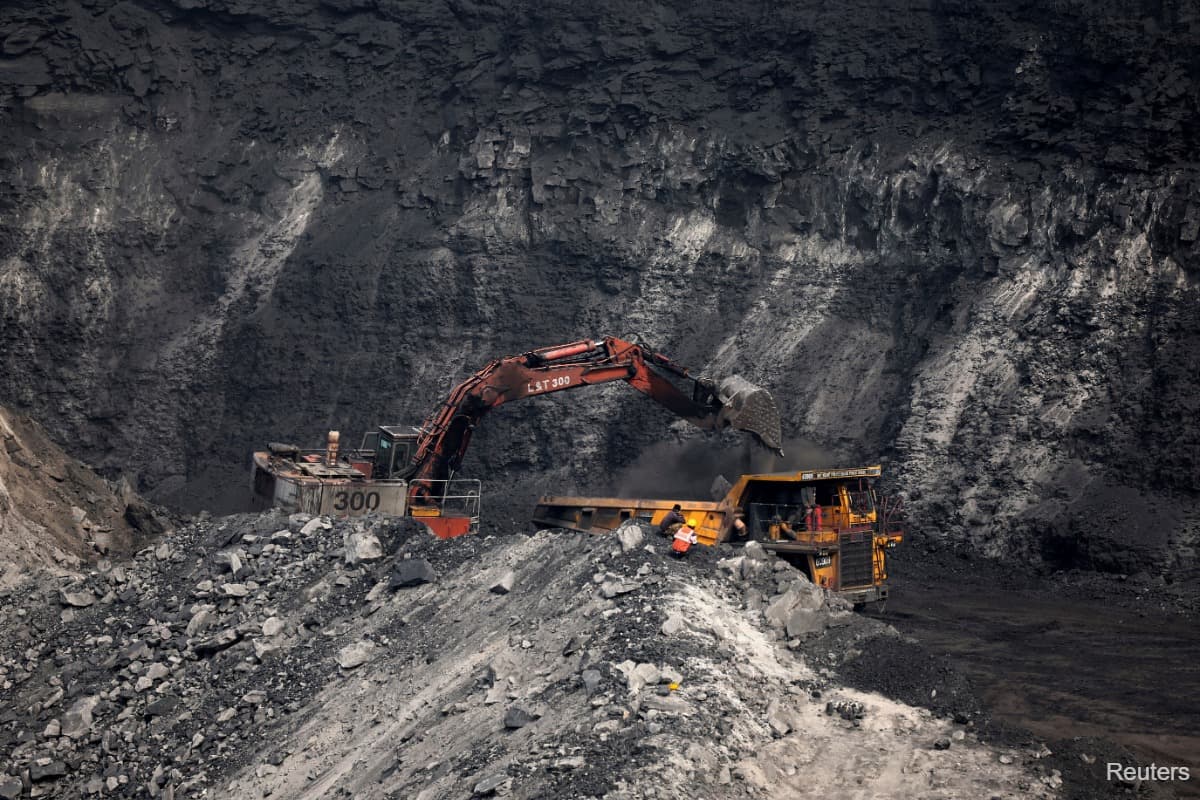
Coal is expected to remain a part of Asia's energy mix for longer than previously anticipated, with regional demand seen staying broadly flat over the next decade as declining consumption in China is offset by growth in India and Southeast Asia.
Gas demand is set to slow down in the next five to 10 years as countries prioritise coal and renewables for power generation. However, gas consumption could rebound in the longer term driven by industrials.
Renewables continue to accelerate particularly in India and Southeast Asia, with about US$300 billion in annual solar and wind investment expected through 2040.
Focus on energy security could enable the development of higher-cost upstream assets with government support in China, Philippines, Thailand, Vietnam and Turkmenistan.
Biofuels could replace about US$90 billion to US$100 billion in fuel imports in 2026, creating the potential for a longer-term reduction in import dependence.
Uploaded by Magessan Varatharaja