

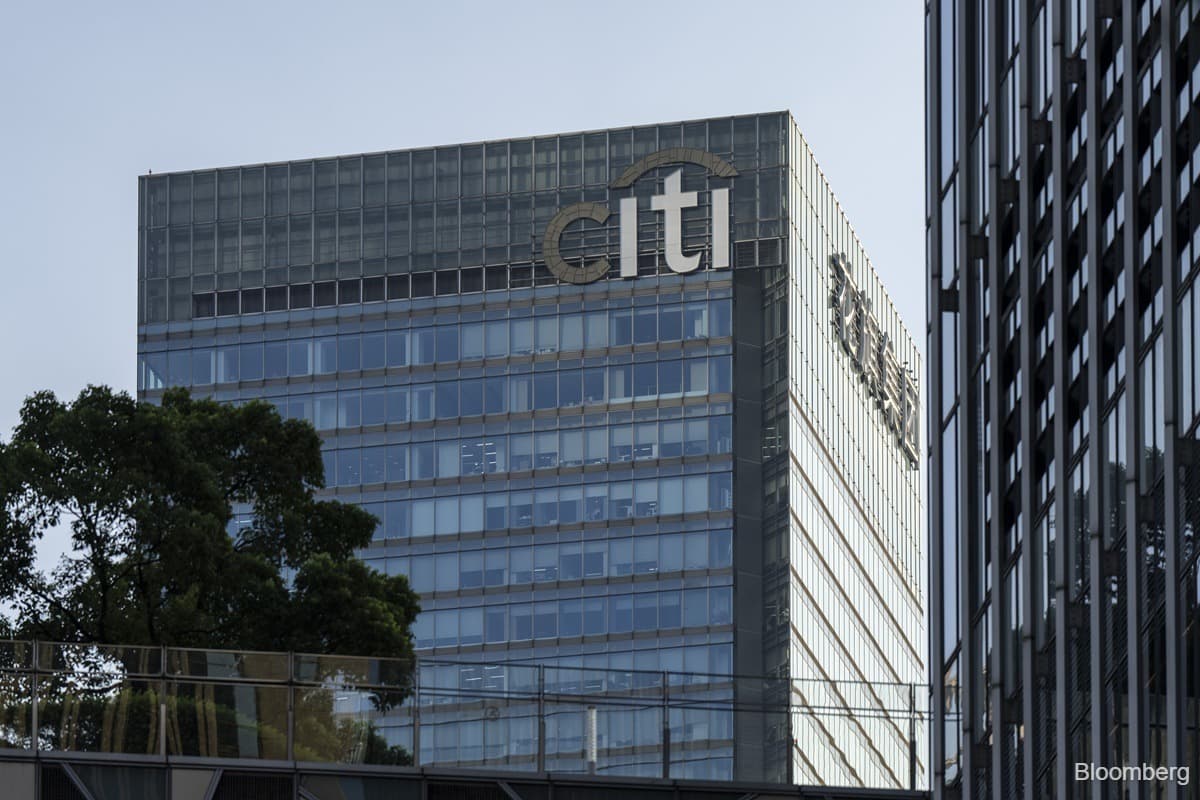
(Oct 22): Citigroup Inc is counting on securing an onshore securities licence in China as the US lender expands operations in the world’s second-largest economy following a string of major consumer exits across Asia.
“We’re hoping for it,” Ernesto Cantu, head of international at the New York-based bank, said in an interview, referring to the licence. “It’s important for us because right now we cannot do anything related to investment banking in the mainland.”
Citigroup harbours big ambitions to expand in the region, targeting the top spot among global investment banks in China, according to Cantu.
Progress has been slow, however, leaving the lender waiting almost five years for regulatory approvals. The delay stems from complications surrounding changing Chinese data-security regulations as well as heightened regulatory scrutiny in the US.
Despite these hurdles, mainland China remains Citigroup’s second-largest international market after the UK, boosted by the bank’s corporate client reach. Cantu, who visited the mainland in March, plans to return in November.
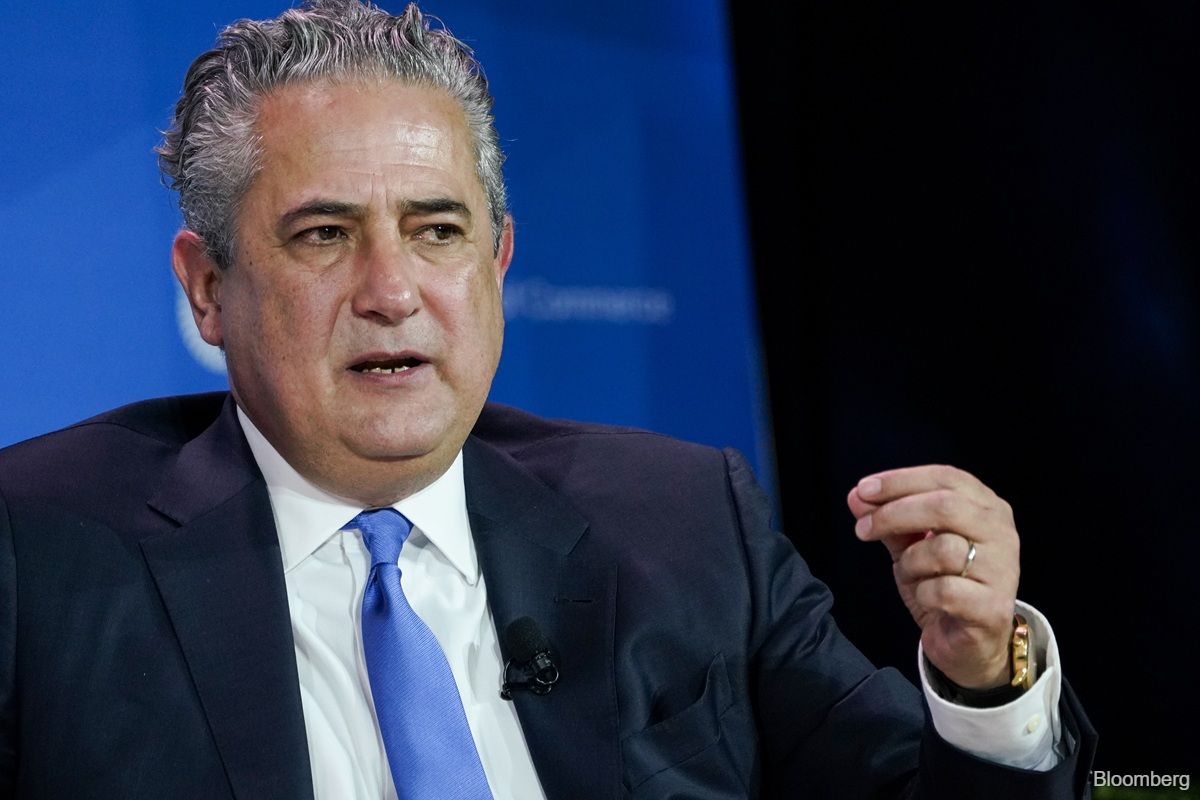
Asia remains “an important focus” for Citigroup as it deploys capital across the region, including in China and India, Cantu said. “A lot of Chinese companies are going global and we are helping them. India is also growing at a good pace.”
The bank is entering the final stretch of a sweeping global restructuring under chief executive officer Jane Fraser aimed at streamlining its footprint. To sharpen focus on its corporate and institutional business, the Wall Street firm shed its retail banking operations across 13 markets, including mainland China, India, and Indonesia.
That pivot is yielding results, according to Cantu, a three-decade company veteran who said that exit plans are “mostly done.”
“In some markets, overall revenues have grown significantly despite the sale of the consumer businesses,” he said.
In India, after selling the consumer business in March 2023, Citigroup nearly doubled revenue and grew net income by 56%, while in Indonesia, excluding a one-time divestment premium in 2023, net income grew about 56% from 2023 to 2025, according to the bank.
Citi posted the best third quarter in a decade, boosted by trading and services business. Late last year, it traded above its book value for the first time since 2018 — a boost to Fraser’s turnaround plan.
The lender is now pushing ahead with an IPO for Mexico’s Grupo Financiero Banamex, having offloaded an additional 24% stake to investors, including Blackstone Inc. Citigroup still has a 51% stake in Banamex and plans to sell a small stake before the IPO next year, according to Cantu.
“There is investor demand for an incremental stake, which means it can be done quickly,” said Cantu. “We are talking to investors, including those that participated in the previous placement.”
The bank would likely sell a portion of its remaining stake through the IPO, with the rest sold in subsequent follow-on offerings, according to Cantu. He declined to say how much the bank is planning to raise.
Bloomberg has previously reported that Citigroup is targeting to raise more than US$3 billion for its initial public offering.
Banamex
“We want to do the Banamex IPO in the first half, if the market is there,” said Cantu.
Going to IPO with a de-consolidated entity is a “better equity story” because that means that the governance of Banamex will be entirely in Banamex, he added.
Cantu, who was previously CEO of Citibanamex, said that an independent Banamex will be able to take on more risk, in line with the broader industry, and a sale is the “best decision” for Banamex.
In the Middle East, the lender has no plans to pare its exposure despite the ongoing turmoil, according to the banker.
Saudi Arabia this month suffered its deadliest strikes since the Iran war began as Houthi militants repeatedly targeted airports across the kingdom, prompting airlines to halt flights and the postponement of the kingdom’s flagship investment event.
Citigroup has business in other places including Ukraine, where it continues to do business despite the Russian invasion.
“We continue to believe that the Middle East as a consequence of this in many ways is going to come out stronger,” said Cantu. “If anything, the resiliency plans that they are implementing is going to make them stronger.”
Uploaded by Liza Shireen Koshy