

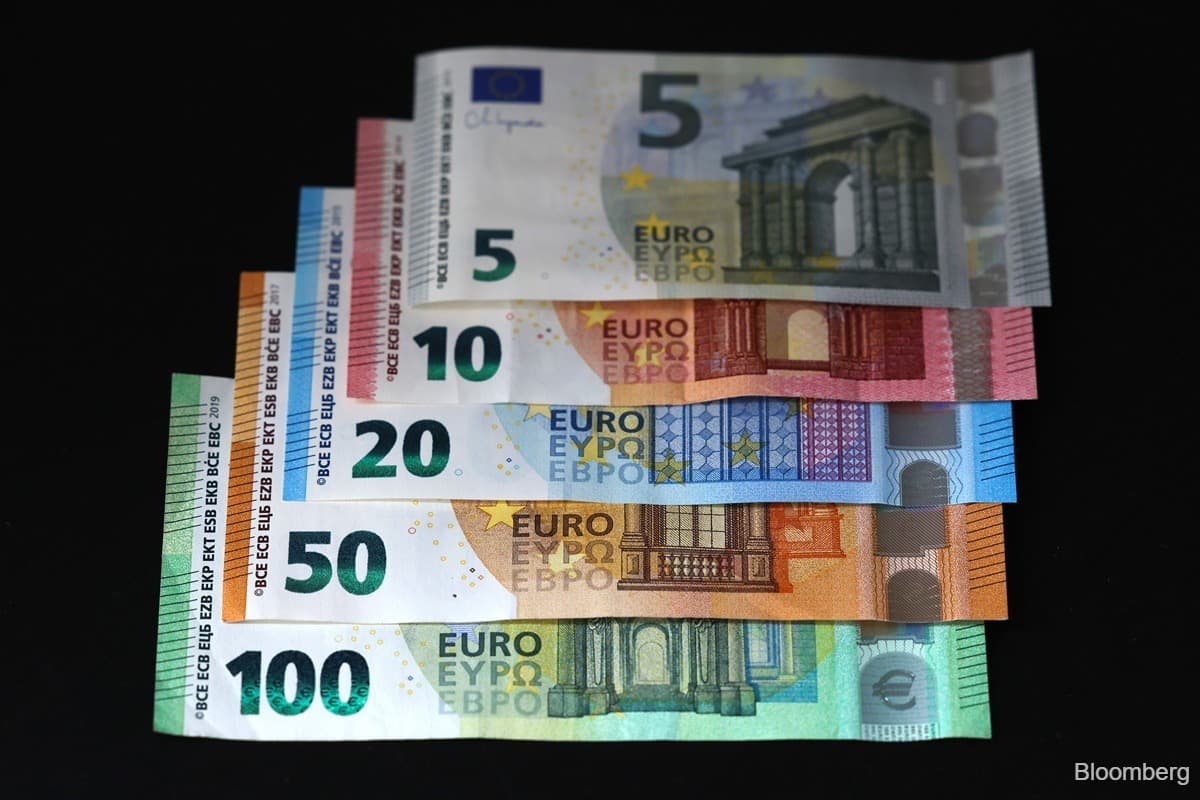
Policymakers reached a political-level compromise to push ahead a plan that would allow banks to free up more capital to lend to households, firms and infrastructure projects. The framework would reduce banks’ capital requirements for low-risk deals and reduce administrative burden for market participants. The framework still needs to be finalised and formally endorsed.
“Securitisation plays a vital role in our financial eco-system by freeing up capital and supporting lending,” a representative for the Irish government, which holds the EU’s rotating presidency, said in a statement. “Our objective here is simple: support market revival without compromising financial stability, investor protection or market integrity.”
The initiative is part of the EU’s savings and investment union, a package of reforms that aims to channel financial assets more efficiently and spur growth by funding key industries. The 27-country bloc is going ahead with reforms to the securitisation markets at a time when geopolitical uncertainty, high energy prices, government deficits and worries over the debt-fuelled AI boom are pushing up risk premiums across credit markets.
Europe had a total of €1.295 trillion (US$1.45 trillion) of securitisations outstanding, including collateralised loan obligations, at the end of March, according to the Association for Financial Markets in Europe. While that figure had grown 6.3% in a year, it is still a fraction of the US securitisation market.
Boosting the securitisation market is part of measures outlined by former European Central Bank president Mario Draghi to increase the bloc’s economic competitiveness. The review of the securitisation rules started in 2024.
Uploaded by Liza Shireen Koshy