

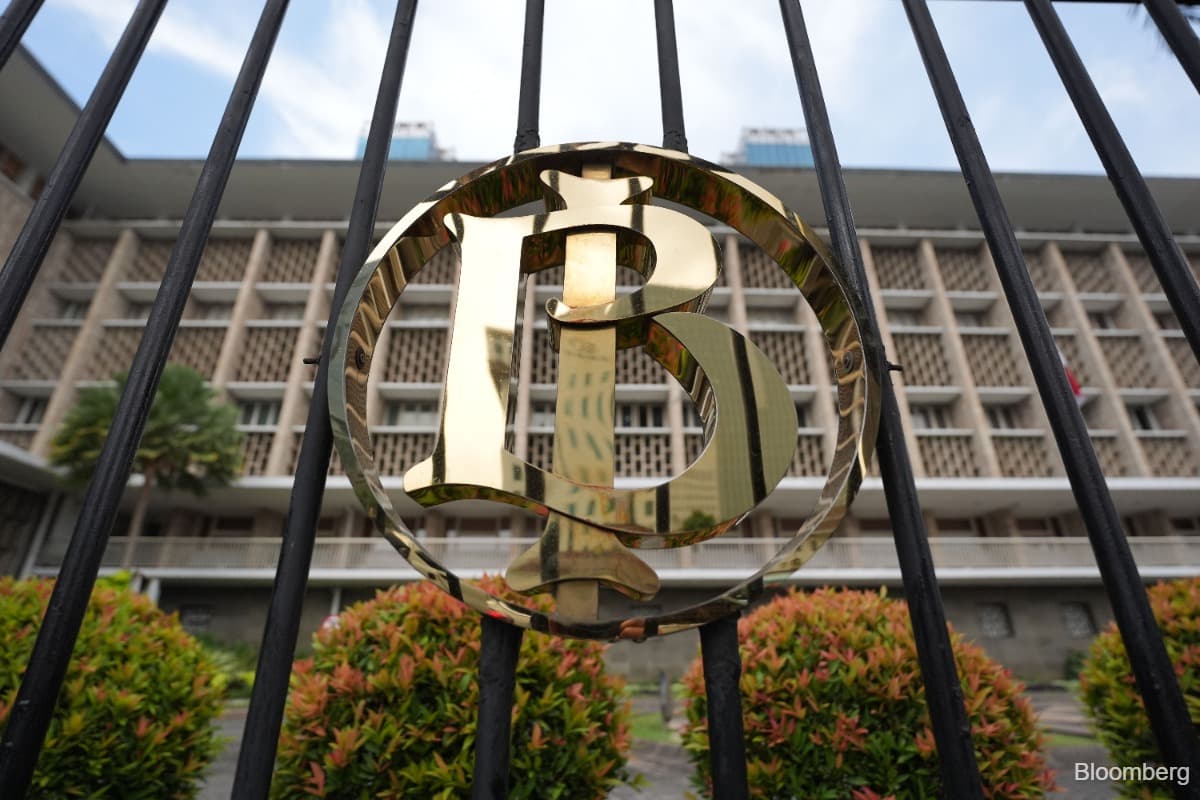
(Oct 21): Bank Indonesia kept its benchmark interest rate unchanged, while cutting reserve requirements and raising deposit rates, a mix of policies designed to pursue competing objectives following the market volatility triggered by MSCI Inc’s downgrade threat.
Bank Indonesia kept the BI-Rate unchanged at 5.75% on Wednesday, as seen by 19 of 38 economists surveyed by Bloomberg. The other half expected a rate increase.
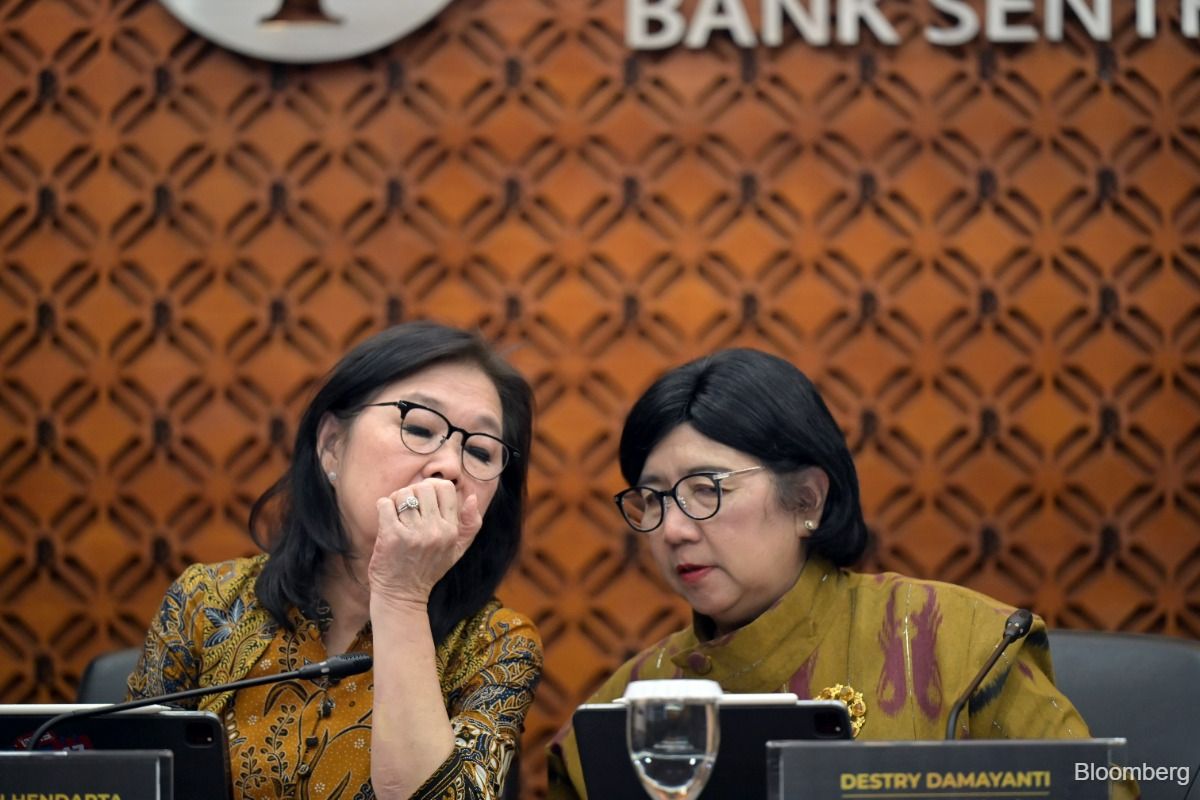
The hold “is consistent with the strategy to stabilise the rupiah amid persistent external pressures”, to promote economic growth and to achieve an inflation target of 1.5%-3.5%, Governor Destry Damayanti said in announcing the decision.
She also described a “policy mix” with two other key components. First was a cut to the reserve requirement ratio for banks, a measure of the amount of capital they must keep on hand, by two percentage points by December, which would free up more than US$10 billion (RM40.8 billion) for lending. The second, meanwhile, was raising the deposit facility rate to 5% to maintain returns on rupiah assets and attract inflows.
The rupiah edged lower to 18,005 per dollar after the decision while the 10-year government bond yield was steady at 7.44%. The benchmark stock index was up 0.5% after erasing earlier losses.
“The central bank’s uncomfortable pursuit of multiple policy objectives in this tricky capital market environment remains an issue for many foreign investors,” said Homin Lee, a strategist at Lombard Odier in Singapore.
The decision underscores BI’s caution against tightening policy prematurely and stalling growth in Southeast Asia’s largest economy. The central bank has held rates steady since July, after delivering a total of 100 basis points in hikes earlier in the year.
It also highlights the challenges faced by policymakers under President Prabowo Subianto to support economic growth, bolster the currency and reassure investors.
The moves come after MSCI warned late last week it may demote Indonesia from emerging-market to standalone status, bypassing the frontier-market tier that officials and analysts had initially been worried about. It triggered the nation’s worst stock-market slump in nearly three decades, with losses also spreading to bonds and the currency.
Destry commented Wednesday that the bank remains vigilant about market developments and is monitoring capital outflows following the MSCI announcement, and reiterated that stability remains the central bank’s priority.
The cut to reserve requirement ratio is likely a preemptive move ahead of possibly tighter liquidity conditions if more foreign capital flees the country, according to Lavanya Venkateswaran, a senior economist at Oversea-Chinese Banking Corp in Singapore.
In her statement, Destry described the global economic outlook as “subdued” amid high oil prices, persistent inflation and weak growth, compared with a “solid” domestic economy supported by household consumption and government stimulus.
She added that the rupiah is being pressured by an expected tightening in US monetary policy and ongoing impacts from the Middle East conflict, as well as foreign investor sentiment in stocks.
“The policy moves by Bank Indonesia today suggest that officials are struggling to work out whether to prioritise supporting the rupiah or boost growth,” Jason Tuvey, deputy chief Emerging Markets economist at Capital Economics, wrote in a note. “These mixed messages risk undermining the central bank’s credibility, fuelling fresh pressure on the rupiah and ultimately forcing policymakers to keep interest rates high for longer.”
The rupiah had weakened beyond 18,000 per dollar amid a stronger greenback, elevated US yields and higher oil prices, while food prices pushed inflation to a three-month high in September.
Destry has favoured foreign-exchange intervention, hedging incentives and other targeted measures over rate increases, which could weigh more broadly on domestic demand. However, sustained outflows could put further pressure on the rupiah, strengthening the case for a rate hike in coming meetings.
Uploaded by Chng Shear Lane