


(Oct 20): Saudi Aramco’s term-contract negotiations with Asian oil refiners have run into trouble due to disagreements over outstanding purchases in existing deals, said traders involved in the discussions.
The disputes are a byproduct of the Middle East war, which cut exports from the region and meant that Saudi Arabia’s customers weren’t able to collect their contracted supply. That forced refiners to switch to a more opportunistic mode of buying Persian Gulf oil via the spot market.
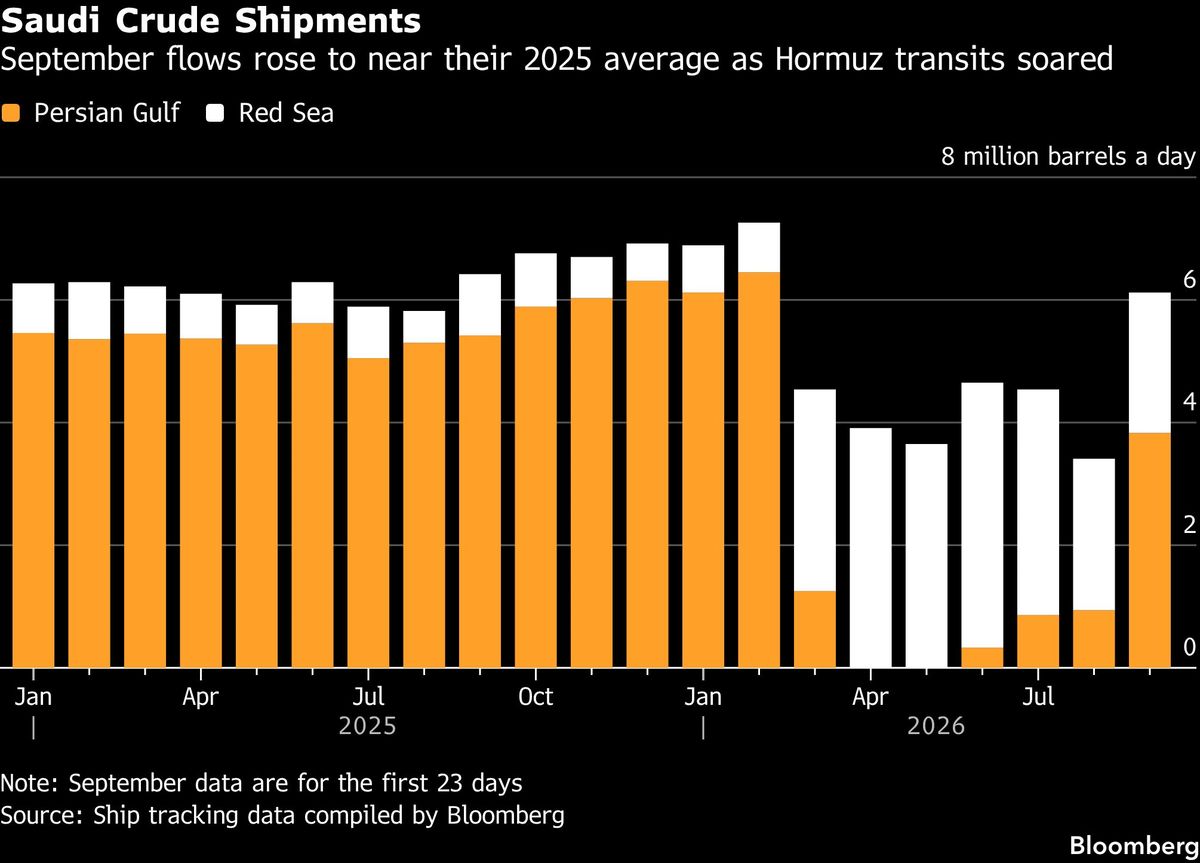
To satisfy this demand, Aramco ramped up spot sales to Asia from early September, taking advantage of a recovery in flows through the Strait of Hormuz even as attacks on ships continued.
The world’s No 1 crude exporter is now trying to revert to selling more oil under contract for next year. The crux of the argument is whether the recent wave of spot-market purchases can count towards refiners’ annual contractual obligations this year, according to the traders, asking not to be named as they’re not authorised to speak to the media.
If spot buying is excluded many Asian refiners won’t be able to meet their 2026 contracts with Aramco, the traders said. Some processors are arguing the prompt buying should be included in their contractual obligations, but Aramco is pushing back and saying they must take more oil under contract next year to make up for the shortfall, they said.
At least one refiner has been asked by Aramco to compensate for this year’s shortfall by committing to taking more crude in 2027, something which it’s balking at, the traders said.
Aramco declined to comment.
Many Asian oil buyers are reticent to commit to more contracted purchases next year, given the uncertainties over flows as the war shows little sign of ending. The dispute is spilling over into the spot market and slowing down purchases of Saudi crude, as well as oil from other Middle Eastern producers.
Term-contract discussions for the coming year normally conclude by the end of October, as Asian refiners typically order January-loading Middle Eastern crude from the spot market in November, and need to know how much oil they will be taking under term contracts next year before they can make those buying decisions.
Similar negotiations with other Persian Gulf producers are also going on at the moment. Abu Dhabi National Oil Co, the United Arab Emirates’ biggest oil company, is allowing spot crude purchases to count towards some Asian refiners’ annual oil-import obligations this year, although no decision has been reached on whether this arrangement will continue into 2027.
“As a resilient and reliable energy provider, Adnoc remains committed to supporting our customers across Asia and providing flexibility as we meet their requirements,” the company said in a response to questions.
The question of how Asian refiners will buy oil from the Middle East will remain uncertain until the security situation in the region stabilises. Aramco has floated the idea of changing pricing benchmarks and delivery terms in its supply contracts. One option under consideration is that the Saudi producer will take on the responsibility of transporting the crude directly to some of its Asian customers.
Uploaded by Evelyn Chan