

This article first appeared in The Edge Malaysia Weekly on October 19, 2026 - October 25, 2026
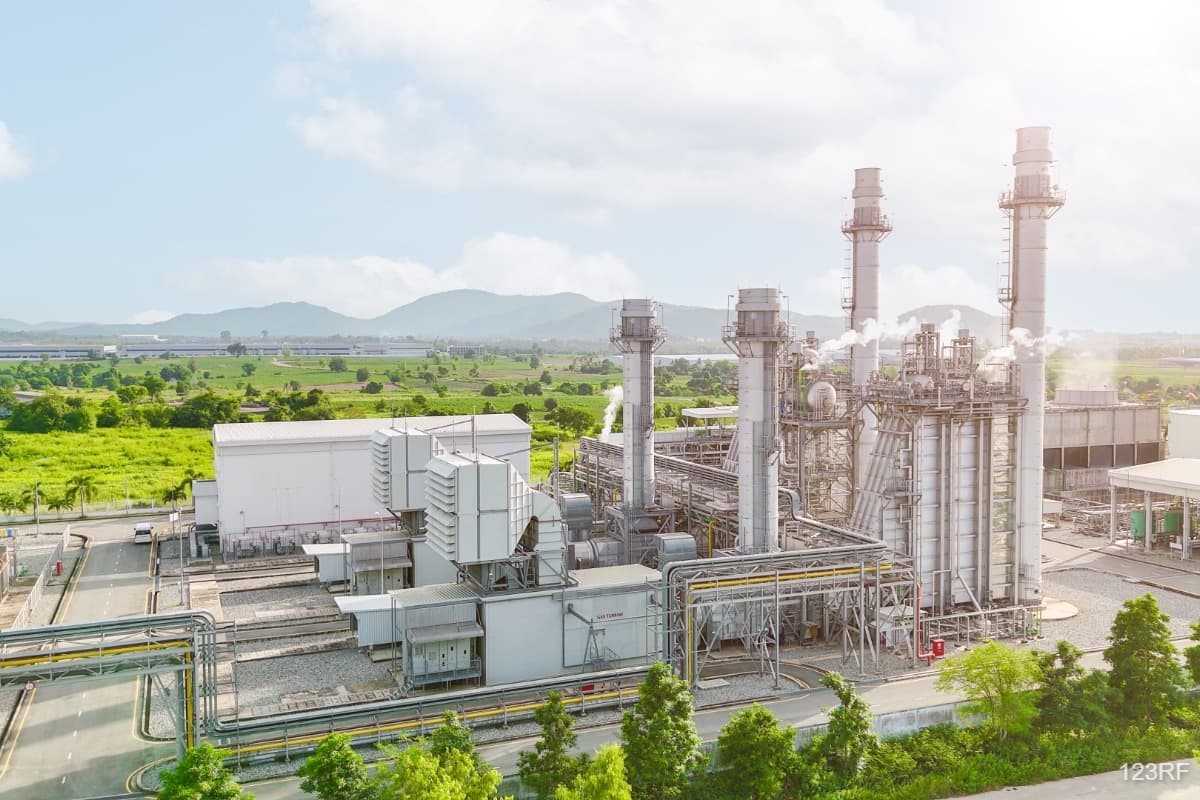
THE energy transition is no longer just an environmental imperative but a question of energy security. As Malaysia seeks to attract investment in energy-intensive industries such as data centres and semiconductor manufacturing, securing reliable, competitively priced and low-carbon power is becoming critical to sustaining growth.
At the same time, geopolitical tensions and disruptions to global energy flows have exposed the vulnerability of fuel-dependent economies to price volatility and supply uncertainty.
Malaysia must therefore meet rising energy demand without deepening its dependence on fossil fuels. That will require greater investment in renewable energy (RE), supporting infrastructure and technologies that can deliver a more resilient energy system.
The energy transition also presents business opportunities in RE, green financing and supporting infrastructure.
The government has introduced various incentives and programmes to encourage companies to adopt RE and other technologies that support the transition to a green economy.
Under Budget 2027, tabled in the Dewan Rakyat on Oct 9, Prime Minister Datuk Seri Anwar Ibrahim said the agenda must be stepped up to ensure long-term energy security.
Among the measures announced in the budget was a RM15 billion investment by Tenaga Nasional Bhd (KL:TENAGA) to reinforce the national grid. The RM15 billion allocation is part of the utility giant’s larger RM43 billion capital expenditure plan, spanning from 2025 to 2027, to upgrade network capacity and energy security.
Tenaga’s chief strategy and ventures officer Dr Mohd Fadzil Mohd Siam says Malaysia’s energy transition presents opportunities across the value chain, from RE generation to grid modernisation, energy storage, digitalisation, energy efficiency, system flexibility, regional interconnection and emerging energy solutions.
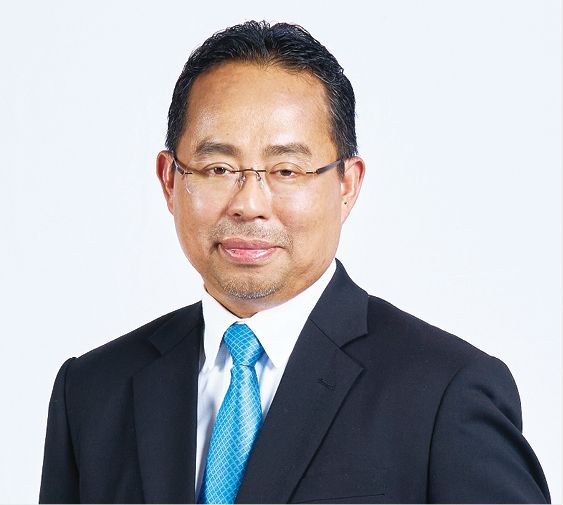
“Malaysia is targeting RE to account for 70% of installed capacity by 2050. Reaching that ambition will require more than building additional renewable generation. The electricity system must also become more flexible, resilient and intelligent so that it can reliably manage higher levels of variable RE,” he adds.
Tenaga is investing in the infrastructure that enables the transition, strengthening transmission and distribution networks, advancing smart-grid capabilities, introducing energy storage and developing stronger regional interconnections. It is also working to improve system flexibility through initiatives such as the 100MW/400MWh Santong Battery Energy Storage System (BESS), alongside continued development of the national grid backbone and cross-border connectivity.
The opportunity is not only to produce more green electricity but also to build a system that can deliver it reliably to where it is needed, say industry stakeholders.
However, grid infrastructure is only one part of the equation. The broader energy transition will also require substantial capital to develop RE projects and bring emerging technologies to commercial scale.
The National Energy Transition Roadmap (NETR) estimates that RM1.3 trillion, or about RM50 billion a year, is needed over 25 years to achieve Malaysia’s net zero carbon emissions goal.
HSBC Bank Malaysia CEO Datuk Omar Siddiq says that from a financing perspective, capital is not the constraint. The challenge, he says, is creating investable, bankable projects at scale.
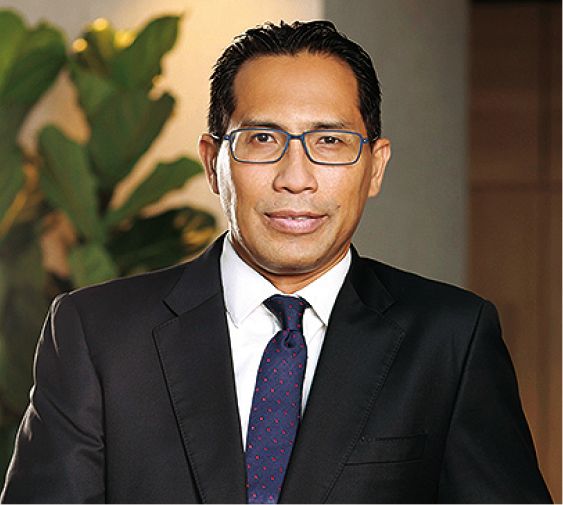
“The money is there and it will move fastest when revenue certainty, risk allocation and execution readiness are clear. We’ll also need more blended finance approaches, where public or development capital is used alongside private capital to de-risk projects and crowd in investment, particularly for newer technologies or first-of-a-kind projects,” he adds.
Omar says HSBC focuses on helping projects and transition investments become bankable by supporting sound structures, long-term financing where appropriate and risk management that gives investors confidence.
Meanwhile, growing electricity demand is creating opportunities for RE providers, particularly as businesses seek reliable power with a lower carbon footprint.
Gentari’s head of renewables Syed Malek Faisal Syed Mohamad sees data centres and hyperscalers as among the most prominent emerging sources of demand, given the continuous, high-density and reliability-sensitive power needs of artificial intelligence. Wholly owned by national oil company Petroliam Nasional Bhd (PETRONAS), Gentari was set up to pursue opportunities in the energy transition.
Demand is also growing across the manufacturing, commercial and industrial sectors, alongside the broader electrification of transport, he says.
To meet this demand, Syed Malek calls for stronger grid readiness and interconnection capacity to support greater RE integration. He also advocates refining frameworks such as the Corporate Renewable Energy Supply Scheme (CRESS) and other procurement mechanisms to widen access to RE, improve project bankability and provide investors and energy users with greater long-term certainty on commercial terms and pricing.
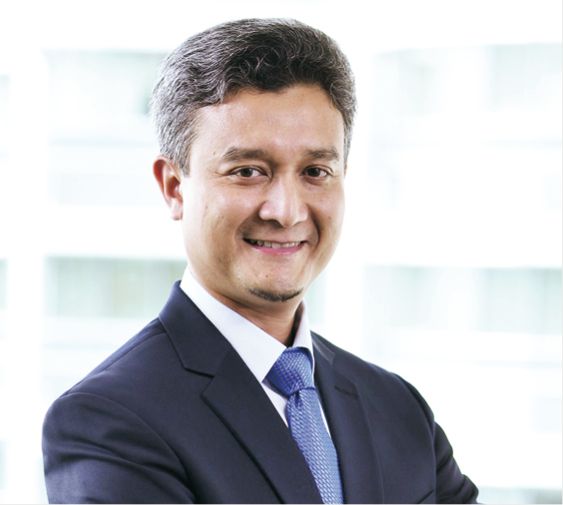
“Gentari’s own pipeline spans utility-scale solar, commercial and industrial solar partnerships and CRESS-based renewable electricity delivery for large energy users,” he says.
Solarvest Holdings Bhd (KL:SLVEST) CEO Jack Tan says Malaysia must address several structural hurdles to sustain its competitiveness in the regional energy transition, including the bankability of BESS.
The main challenge for BESS is no longer technology costs but bankability and revenue visibility, he adds. “Government and financial institutions can support adoption by establishing clear revenue mechanisms, such as capacity payments, ancillary service markets, frequency response contracts and grid congestion relief payments, alongside tax incentives like the Green Investment Tax Allowance.”
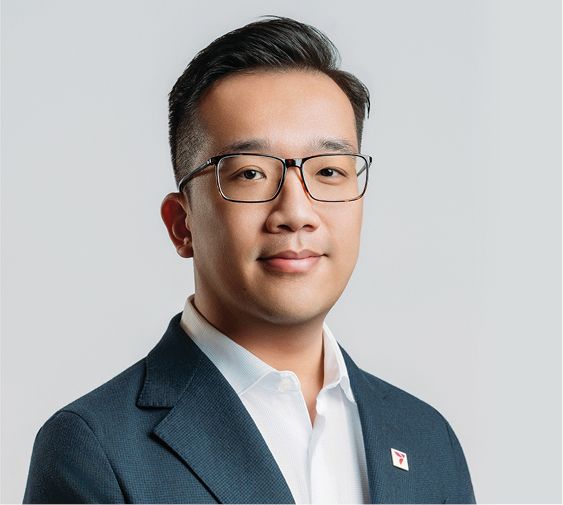
Dr Azrudi Mustapha, managing director of Clean Energy Xpeditions Sdn Bhd (Cenergy), which is developing small modular nuclear reactor technology, says concerns about energy security have prompted some businesses in Malaysia to invest in their own RE generation and storage solutions to reduce their reliance on the national grid.
“While businesses in Malaysia largely remain trusting [of] the national energy policies to resolve the energy trilemma eventually, other businesses with more agility have decided to hedge their operations by building or contracting their own solar generation and energy storage solutions,” he notes.
Nevertheless, scaling up these solutions for energy-intensive industries remains challenging. Solar installations, for instance, require substantial land, which can compete with agricultural use. Azrudi says these challenges call for more innovative approaches to RE deployment as well as consideration of alternative sources such as nuclear power.
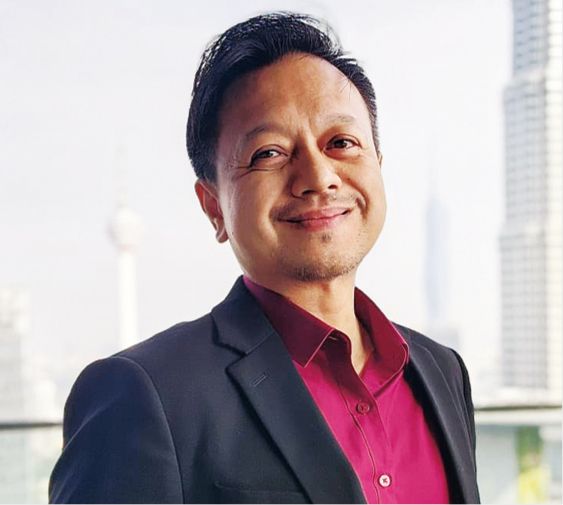
The energy transition is not only a question of technology and infrastructure but also how communities and other stakeholders shape the energy choices available to them. Forever Sabah chief executive facilitator Cynthia Ong brings this perspective through her work with civil society and across sectors in Sabah.
“Going deeper into carbonising doesn’t make sense,” she says, adding that Sabah had previously mobilised against coal through a campaign advocating RE.
Ong says the state’s energy security depends on diversifying its energy sources and harnessing its renewable potential, including solar and ocean energy.
“The technologies are ready. The financing and policy ecosystem needs to be built,” she adds, calling for stronger financial and policy support to accelerate RE deployment in Sabah.
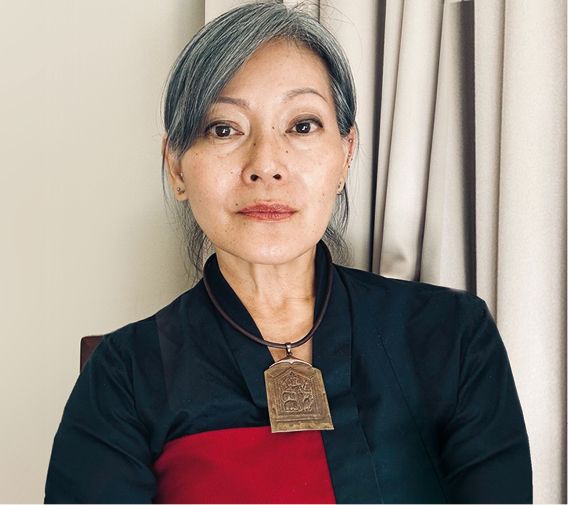
More on these issues will be discussed at The Edge-HSBC Renewable Energy Forum 2026, which will bring together experts from various sectors to explore the trends and opportunities shaping Malaysia’s energy future. Organised in collaboration with HSBC Bank Malaysia and Sime Darby Property, the forum will have Minister of Natural Resources and Environmental Sustainability Datuk Seri Arthur Joseph Kurup and Deputy Minister of Economy Datuk Seri Mohd Shahar Abdullah as guests of honour.
There will also be panel discussions on how Malaysia can accelerate its energy transition and what comes next. Omar and Mohd Fadzil will lead the discussion on how Malaysia can accelerate its energy transition while Azrudi, Ong, Tan and Syed Malek will look at what comes next.
The forum, which is by invitation only, will take place on Oct 26 at the KLGCC Convention Centre in Bukit Kiara, Kuala Lumpur.
Save by subscribing to us for your print and/or digital copy.
P/S: The Edge is also available on Apple's App Store and Android's Google Play.