

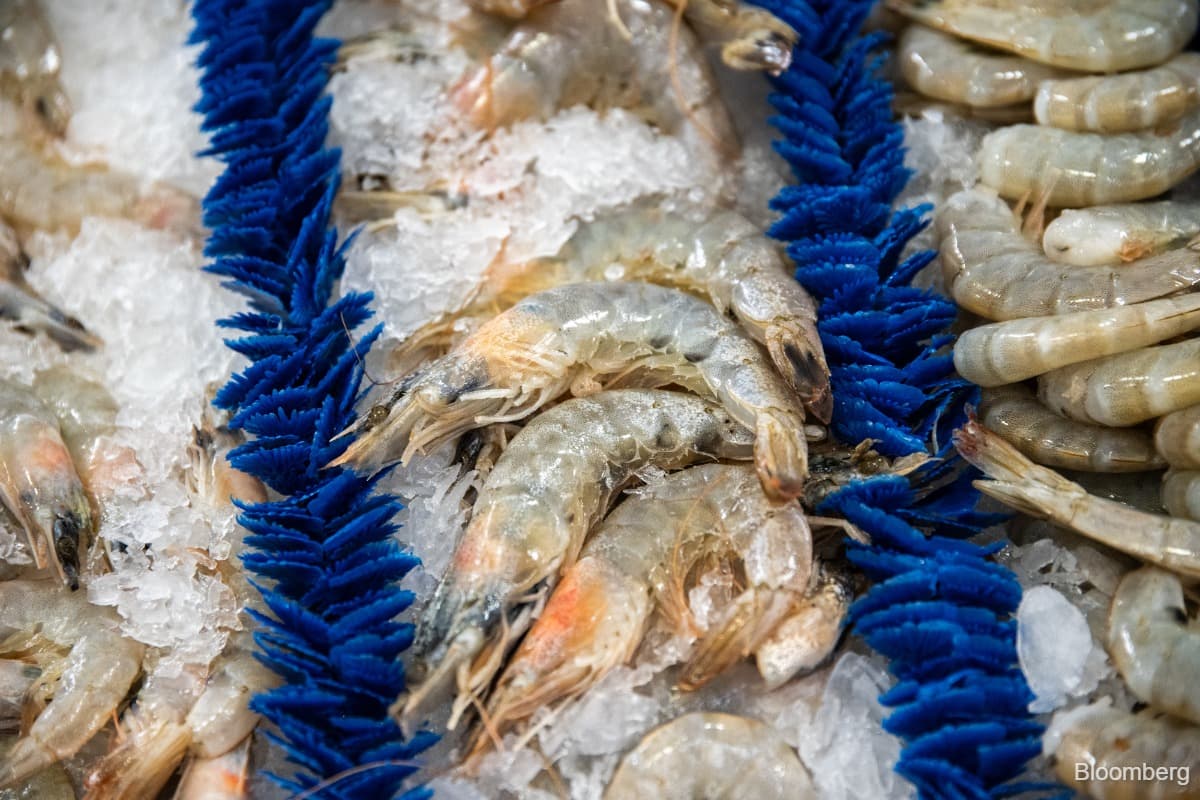
(Oct 19): Indonesia declared an end to a year-long emergency over radioactive contamination near Jakarta that affected exports of shrimp, cloves and sneakers, prompting US food recalls and unprecedented import restrictions.
Radiation levels at all 12 affected sites in the Cikande industrial area in western Java have fallen below safety thresholds, with no new contamination detected, the government said on Monday. A month's long clean-up included radiation surveys, decontamination and environmental monitoring within five kilometres of the industrial estate, allowing factories to resume normal operations.
Authorities said they planned to build a temporary facility costing about 70 billion rupiah (RM15.9 million) to store radioactive materials now kept at a defunct metal smelter that they say was the source of the contamination.
The declaration marks a milestone in a crisis that threatened one of Indonesia’s most important seafood exports.
The Southeast Asian nation shipped about US$1.87 billion worth of shrimp in 2025, with the US accounting for nearly 57% of shipments by volume. The contamination, which also affected exports of sneakers and cloves, prompted the US Food and Drug Administration to impose additional certification requirements on shrimp and spices from Java and Lampung, marking the agency’s first use of an import-certification authority Congress granted it in 2011.
The contamination also raised concerns about industrial safety at Modern Cikande, an estate housing more than 270 domestic and foreign companies. Authorities identified radioactive contamination at more than 20 production facilities last year, triggering a sweeping clean-up and radiation screening of residents in surrounding communities.
No additional cases of internal cesium-137 contamination have been detected since 11 people were treated for exposure last year, the government said. Nearly 10,000 people were tested.
Indonesia is also in talks with the FDA to end the requirement for additional certifications as soon as possible, said Bara Krishna Hasibuan, a senior official on the government’s radioactive contamination task force. The FDA said earlier this month that Indonesia’s two designated certification agencies substantially met its requirements. Between October 2025 and September 2026, Indonesia certified 6,291 containers carrying shrimp worth US$933 million (RM3.8 billion) as free of cesium-137, all of which was allowed to enter the US market, according to the government.
Indonesia is also preparing tighter safeguards for industrial facilities, including radiation checks on imported steel scrap and stronger emissions monitoring. Deputy Coordinating Minister for Food Hanif Faisol Nurofiq said industrial estates, including across industrial estates in the Greater Jakarta area, would be required to install air-quality monitoring stations. He added that metal-smelting operations should not be located in Greater Jakarta, although he didn’t specify whether the government would order relocations or set a timetable for them.
Indonesia in August filed civil lawsuits against PT Peter Metal Technology and industrial estate operator PT The New Asia Industrial Estate over the contamination. The cases remain in mediation until Oct 29, while a former Peter Metal director faces criminal proceedings.
Uploaded by Evelyn Chan