

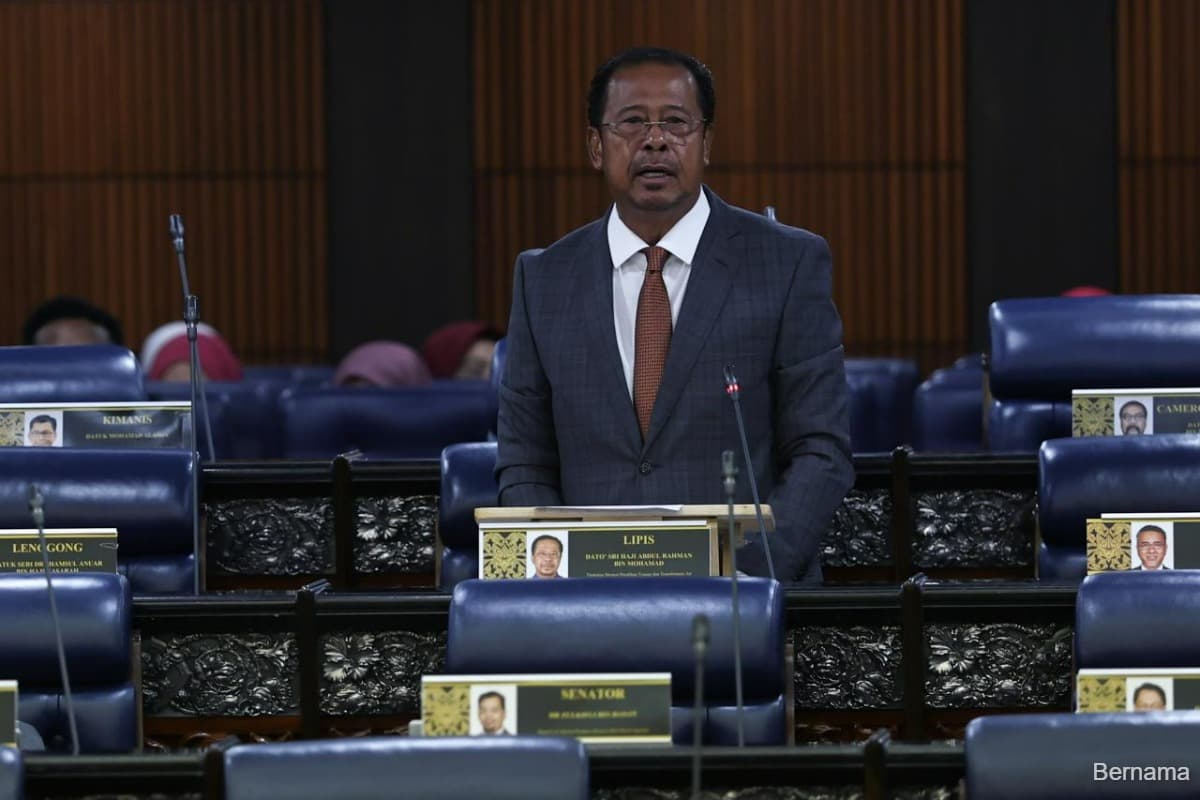
KUALA LUMPUR (Oct 19): The government is looking at potentially introducing a tiered fuel cost charge mechanism as a measure to subsidise household electricity consumption next year, according to the Ministry of Energy Transition and Water Transformation (Petra).
Deputy Energy Transition and Water Transformation Minister Datuk Seri Abdul Rahman Mohamad said the measure is one of several proposals it is examining with the Energy Commission (EC), amid elevated fuel costs due to the conflict in West Asia and prolonged hot weather.
“The ministry, together with the EC, has taken preliminary steps to examine proposals to improve the existing automatic fuel adjustment (AFA) mechanism, including the introduction of a tiered AFA structure, which is planned for implementation from 2027,” Abdul Rahman told Dewan Rakyat on Monday.
“This measure is important to ensure that every decision relating to electricity tariffs is made in a balanced manner, so the country's electricity supply remains affordable, secure and sustainable,” he added.
He said the government will also look into an automatic protection mechanism to protect consumers from surges in the AFA.
The AFA adjusts electricity generation charges monthly to reflect changes in fuel prices and other generation-related costs. When fuel and other generation costs rise, the AFA can result in higher electricity charges and vice versa.
The potential tiered AFA comes as the higher threshold of subsidised electricity for households of 800 kilowatt-hours (kWh) a month, from 600kWh, is set to end this December.
The AFA threshold exempts consumers up to that consumption level from the AFA, retail charges, and sales and service tax until the end of this year.
Abdul Rahman noted that 8.8 million households consume below 800kWh, while only 550,000 households consume above the threshold.
Under the current expanded electricity tariff fuel surcharge exemption for households, Tenaga Nasional Bhd (KL:TENAGA) is absorbing the impact, estimated at between RM120 million and RM150 million.
The Electricity Industry Fund (KWIE), established in 2016, has also contributed significantly to subsidies, Abdul Rahman noted. This year, the fund has been in use to subsidise electricity bills since May, he added.
He noted the ministry, together with the regulator, will also take a look at the KWIE fund itself, as it is concerned that its reserves may not be sufficient.
For more Parliament stories, click here.