

(Oct 16): The US is on track to install record amounts of clean energy this year and next as developers race to claim expiring federal tax credits and as soaring data-centre electricity demand stimulates growth.
But the same data-centre boom is also driving a major expansion of natural gas, undercutting the climate benefits of the renewables buildout.
The findings are part of BloombergNEF’s latest US Clean Energy Market Outlook, released on Friday.
“When we look at the picture holistically, we still see data center growth as a tailwind to renewable energy, but it is tainted by the growing gas pipeline,” said Hall Welborn, an author of the report.
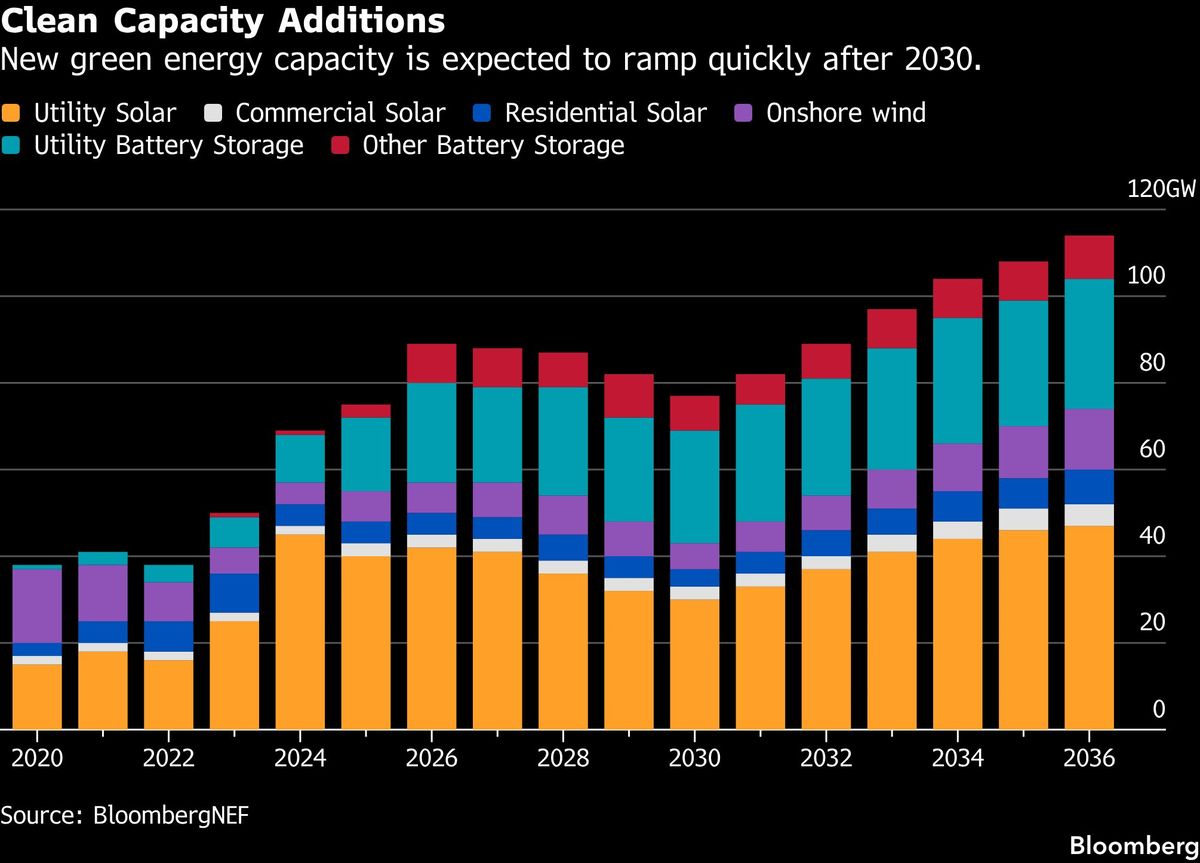
BNEF expects the US to add a record 89 gigawatts (GW) of clean energy this year and to surpass that level in 2027. The surge is coming even as developers contend with more expensive financing, trade barriers and uncertainty over equipment costs and availability.
At the same time, 67.8GW of new gas-fired power could be added through 2030, according to BNEF. With just 14.3GW of gas generation slated to close over that period, the pipeline would amount to a substantial net increase.
The rapid growth of artificial intelligence (AI) and data centres is increasingly shaping US energy forecasts. BNEF now expects installed data-centre capacity to reach 118GW in 2030, which is 52% higher than its projections made only last December. Average data-centre power demand could reach 120GW by 2035, roughly five times current levels, with AI-related computing responsible for nearly half.
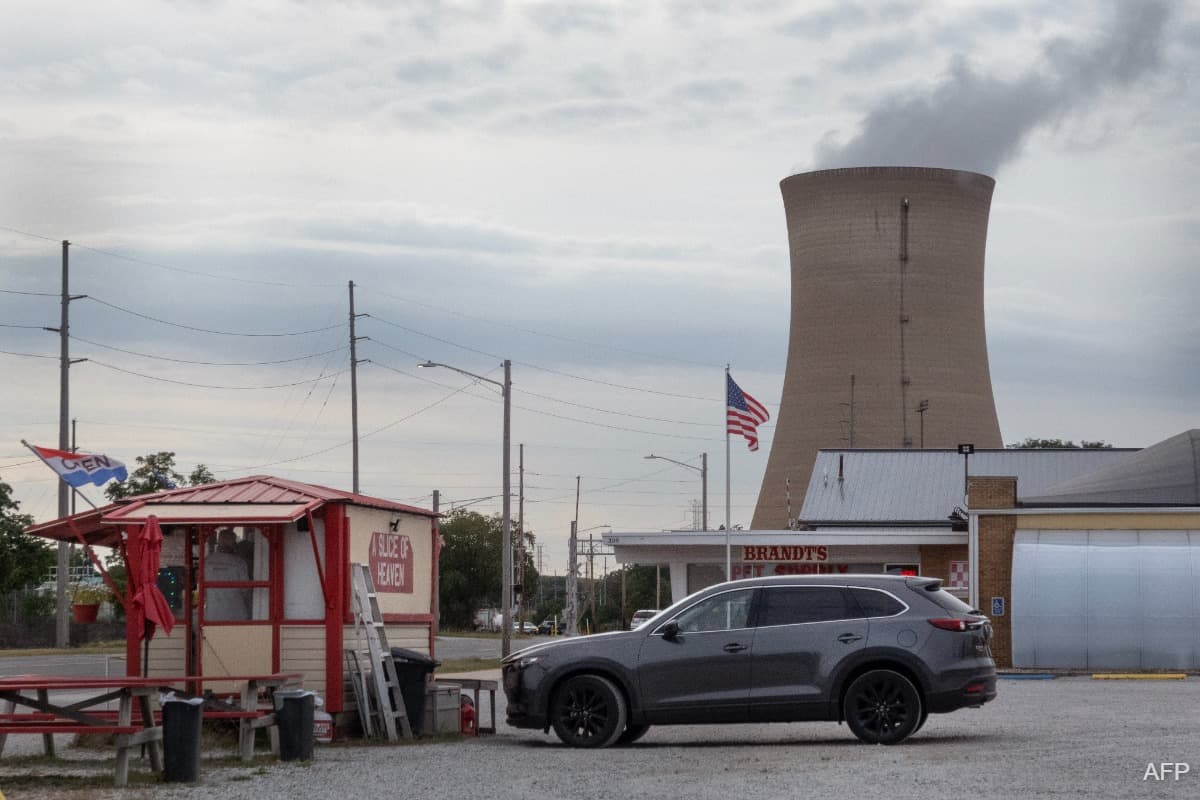
A significant portion of new data centres will be powered by on-site natural gas systems. While the US is the world’s largest supplier of the fossil fuel, all that demand is going to tax domestic supply, and BNEF expects the industry to swing from surplus production to a deficit as soon as 2028.
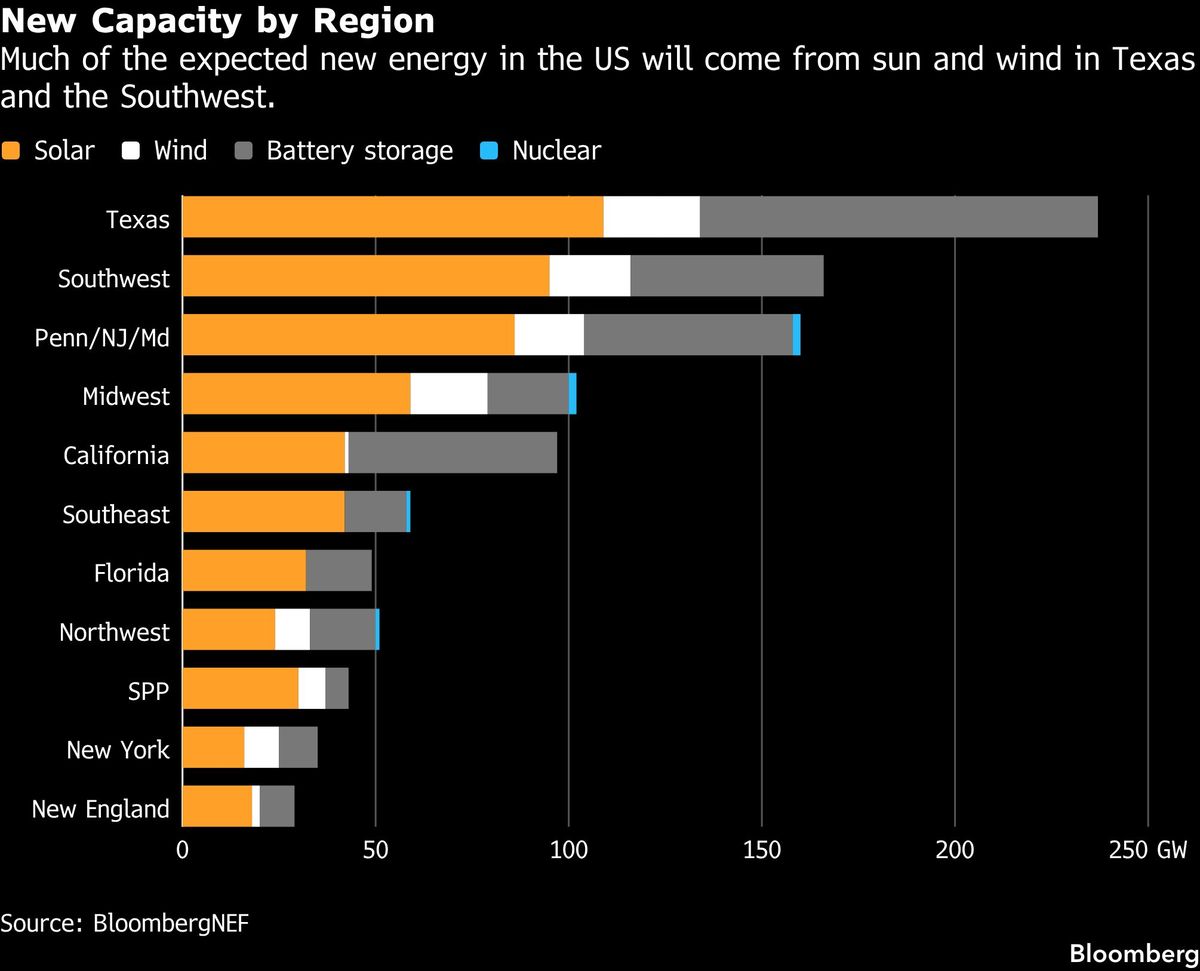
Yet the boom is also improving the outlook for clean-energy projects. BNEF revised up by 15% its forecast through 2036 for onshore wind additions, to 99.7 gigawatts, partly in light of data-centre demand.
The outlook for batteries has improved even more. BNEF now projects that 383GW of storage will be installed through 2036, 35% more than it expected earlier this year. Federal incentives for storage remain in place even as support for some renewable projects winds down.
Solar will continue to account for the biggest share of new clean generation. The analysts expect 48.9GW to be installed in 2026 alone as developers push ahead with projects that secured eligibility for expiring tax incentives. However, the utility-scale solar forecast for the period 2026 to 2036 has been revised down by 7.5%, to 430GW, due to new tariffs and the tax-credit phaseout.
Technology companies are themselves underwriting a large portion of the clean-energy expansion. More than 15GW of corporate clean-power contracts were announced through August, according to BNEF. Meta Platforms Inc and Alphabet Inc’s Google represented nearly three-quarters of that total.
Rising electricity needs are also renewing interest in nuclear power, although new reactors remain expensive and can take years to develop. More immediate gains can come from restarting closed reactors and increasing output from existing plants. Those projects, along with a limited number of new plants, are expected to add 13.7GW of nuclear capacity by 2036.
Uploaded by Felyx Teoh