

MALAYSIA enters the post-Budget period with RM218.5 billion in investments approved during the first half of 2026, up 11.7 per cent from a year earlier. According to Mida, the approvals cover 2,746 projects expected to create more than 99,000 jobs. Foreign investment accounted for RM126.9 billion, 58.1 per cent of the total.
The country has also returned to the global investment shortlist, with the 2026 Kearney FDI Confidence Index ranking it 21st globally. This marks the first appearance on the main Index since 2014, while its emerging-market ranking rose from 11th to 7th. The index tracks where senior executives expect to invest over the next three years, pointing to continued interest in Malaysia as a destination for future investment.
With investor interest strengthening, Malaysian firms have an opportunity to secure a greater share of the business generated by incoming investments. Budget 2027 provides a combined RM2.1 billion through the New Industrial Master Plan (NIMP) Fund, Dana Pemacu under KWAP, Malaysia's public-sector pension fund, and Khazanah Nasional's fund for mid-tier companies. These funds will support businesses in sectors such as electronics, digital technology and aerospace. Together with support for industrial development and workforce training, this gives Malaysian firms more scope to build capacity and compete for higher-value work.
However, the true test is whether such funding can be channelled and used in a way that translates into real capability and economic outcomes in the long run.
The work after investment approval
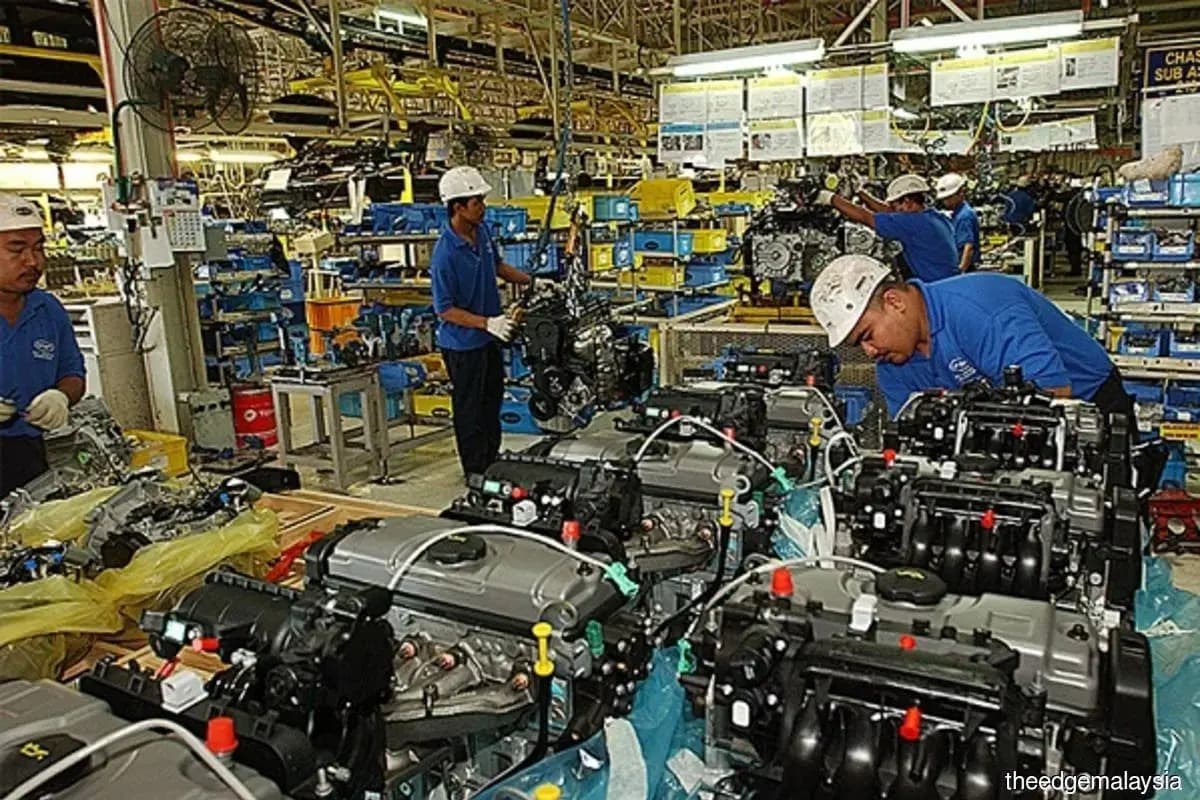
As projects move towards production, the readiness of local suppliers, infrastructure, and workers can have a significant bearing on how quickly investments become operational. Malaysia had made progress here, with 87 per cent of manufacturing projects approved between 2021 and June 2026 reaching some stage of implementation by August 2026. Yet manufacturers still depend on reliable supporting infrastructure and suppliers able to deliver on schedule, with gaps in these areas potentially delaying production.
Budget 2027's support for industrial clusters, including relocation tax deductions of up to RM5 million for eligible Malaysian-owned automotive vendors moving to Tanjong Malim, could help strengthen the supplier base around major investments. Encouraging local firms to establish themselves closer to manufacturers can improve their ability to serve existing operations and prepare for future expansion.
Building capability through investment incentives
For Malaysian businesses, the longer-term value of investment incentives will depend on the capabilities they develop and how these can be applied beyond an initial project. Engineering knowledge gained from one investment, for example, can help suppliers compete for more demanding work across different industries.
Malaysia's New Incentive Framework, introduced for manufacturing in March 2026, places greater emphasis on outcomes such as high-value employment, technology upgrading and domestic supply-chain linkages. Budget 2027 brings a similar focus to government-linked company procurement under its measures for Bumiputera businesses, with updated guidelines assessing vendor performance against company growth, innovation and entry into new markets.
Tracking how firms build on their initial contracts would provide a clearer indication of whether these measures are strengthening Malaysian businesses. Suppliers that can apply their expertise to new customers and industries will be better placed to grow beyond the investment that first created the opportunity.
Getting Malaysian suppliers into customer networks
Even with the necessary technical capability, Malaysian suppliers can face lengthy qualification processes before securing business from multinational companies. Established vendor relationships and approved technologies can make entry into global customer networks difficult. Budget 2027's financing and export-support measures can help local businesses expand, while entry into multinational supply chains will still depend on reliable delivery and customer approval.
Partnerships and joint ventures can also provide access to established technologies and customer relationships. Through its #InvestLokal agenda, Mida is working to strengthen links between high-value investors and Malaysian companies. Involving anchor investors earlier in supplier development would help local firms understand technical requirements and begin preparing for customer qualification. Supplier development will be evident in more Malaysian firms qualifying as approved vendors, securing repeat orders and moving into higher-value roles.
Preparing for the next wave of investment
A clearer pipeline of future demand gives manufacturers greater confidence to expand capacity and allows training institutions to prepare for the skills employers will need. The 13th Malaysia Plan estimates that manufacturing and related services will need 700,000 skilled workers by 2030, while Budget 2027 builds on this priority with RM8 billion in TVET allocations across ministries.
Investors can help make these commitments more effective by sharing their skills requirements and hiring timelines with training institutions. This would allow training programmes to be planned around actual demand, helping prepare workers before new facilities begin operations.
With Budget 2027 strengthening support for domestic businesses, the priority is to connect financing, industrial development and workforce training more closely with the commercial needs of investors. Progress will be evident when more Malaysian firms enter global supply chains, secure repeat orders and take on higher-value work. These gains will strengthen the local industrial base available to future investors, allowing each investment to contribute to the next.
Keat Yap is Country Head of Malaysia at Kearney